The 10 Best Calisthenics Exercises (And How to Scale Them)
Ten bodyweight exercises, one per movement pattern, each with an easier regression and a harder progression so the list works whatever your current strength is.
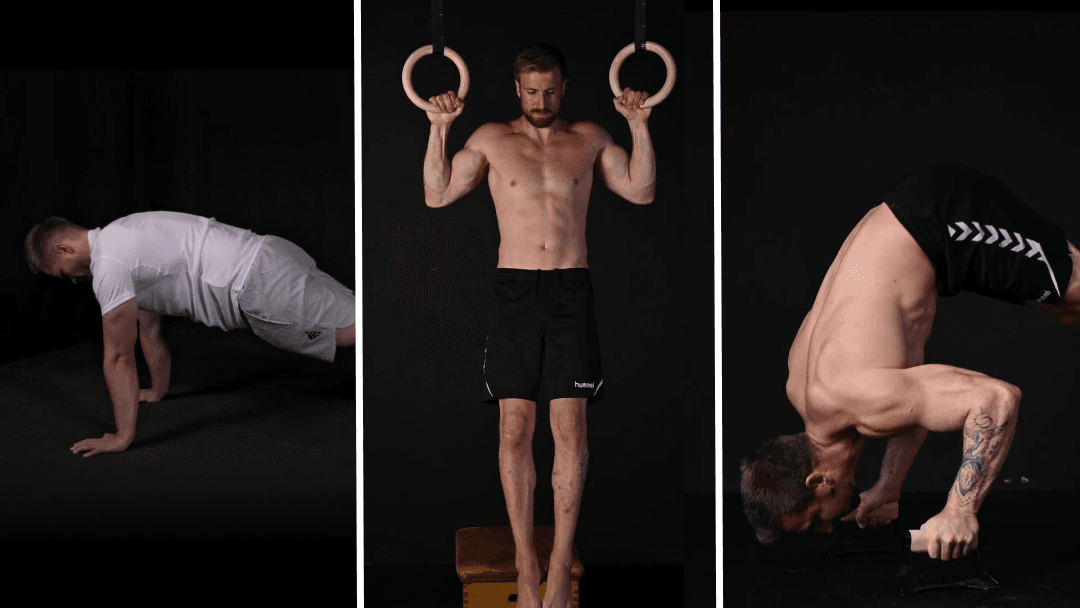
Most top-ten calisthenics lists are popularity contests. This one runs on a different rule: ten exercises, ten distinct movement patterns, nothing duplicated and nothing that belongs in a warm-up.
What makes a calisthenics exercise worth doing
An exercise earns a place on this list by meeting three conditions at once.
It owns a movement pattern nothing else covers. Your body pushes horizontally, pushes overhead, pulls vertically, pulls horizontally, bends at the knee, hinges at the hip, resists spinal extension, flexes at the hip, and holds tension through straight arms. Miss one and you build a gap that shows up later as a stalled skill or a cranky joint.
It scales in both directions without equipment. A good bodyweight exercise has an easier version for the day you cannot do a single rep, and a harder version for the day it stops being difficult. That is the entire mechanism of progressive overload in calisthenics.
It loads a large muscle group hard enough to matter. This is where most lists fall apart. Jumping jacks, mountain climbers and donkey kicks show up on top-ten lists constantly. They are conditioning and warm-up movements, not strength work, and including them costs a slot that a real exercise should hold.
Applied honestly, those three rules cut a lot. A list with four push-up variations on it is not a top ten, it is one exercise counted four times. If you are completely new to this, start with how to start calisthenics and come back for the full set.
The 10 best calisthenics exercises at a glance
Here is the whole list before the detail. Find the row for your current strength, not the one you wish applied to you.
| Exercise | Pattern it owns | Easier version | Harder version |
|---|---|---|---|
| Push-up | Horizontal push | Incline push-up | Archer, then one-arm push-up |
| Dip | Vertical push | Bench or chair dip | Ring dip, weighted dip |
| Pike push-up | Overhead push | Feet on floor, hips high | Elevated feet, then handstand push-up |
| Pull-up | Vertical pull | Negatives, band-assisted | Weighted, then one-arm progressions |
| Inverted row | Horizontal pull | Feet forward, torso upright | Feet elevated, then one-arm row |
| Squat | Knee-dominant leg | Box squat to a chair | Bulgarian split squat, then pistol squat |
| Nordic curl | Hip hinge, hamstrings | Band or hand-assisted | Full unassisted Nordic |
| Hollow body hold | Anti-extension core | Tuck hold, knees in | Full hollow, then hollow rocks |
| Hanging leg raise | Hip flexion core | Knee raise, tucked | Toes to bar, straight-leg slow |
| L-sit | Compression, straight arm | Tuck L-sit on parallettes | Full L-sit, then V-sit |
Ten rows, ten jobs. Nothing on this list makes another item redundant.
Upper body push: push-up, dip and pike push-up
Three pressing angles, one exercise each. Train all three and your shoulders, chest and triceps are covered from every direction they work in.
Push-up
The push-up is the horizontal press, and it is a legitimate strength exercise for years if you keep making it harder. Keep your body in one line from heel to head, elbows tracking back at roughly 45 degrees rather than flaring wide, and lower until your chest is a fist's height off the floor.
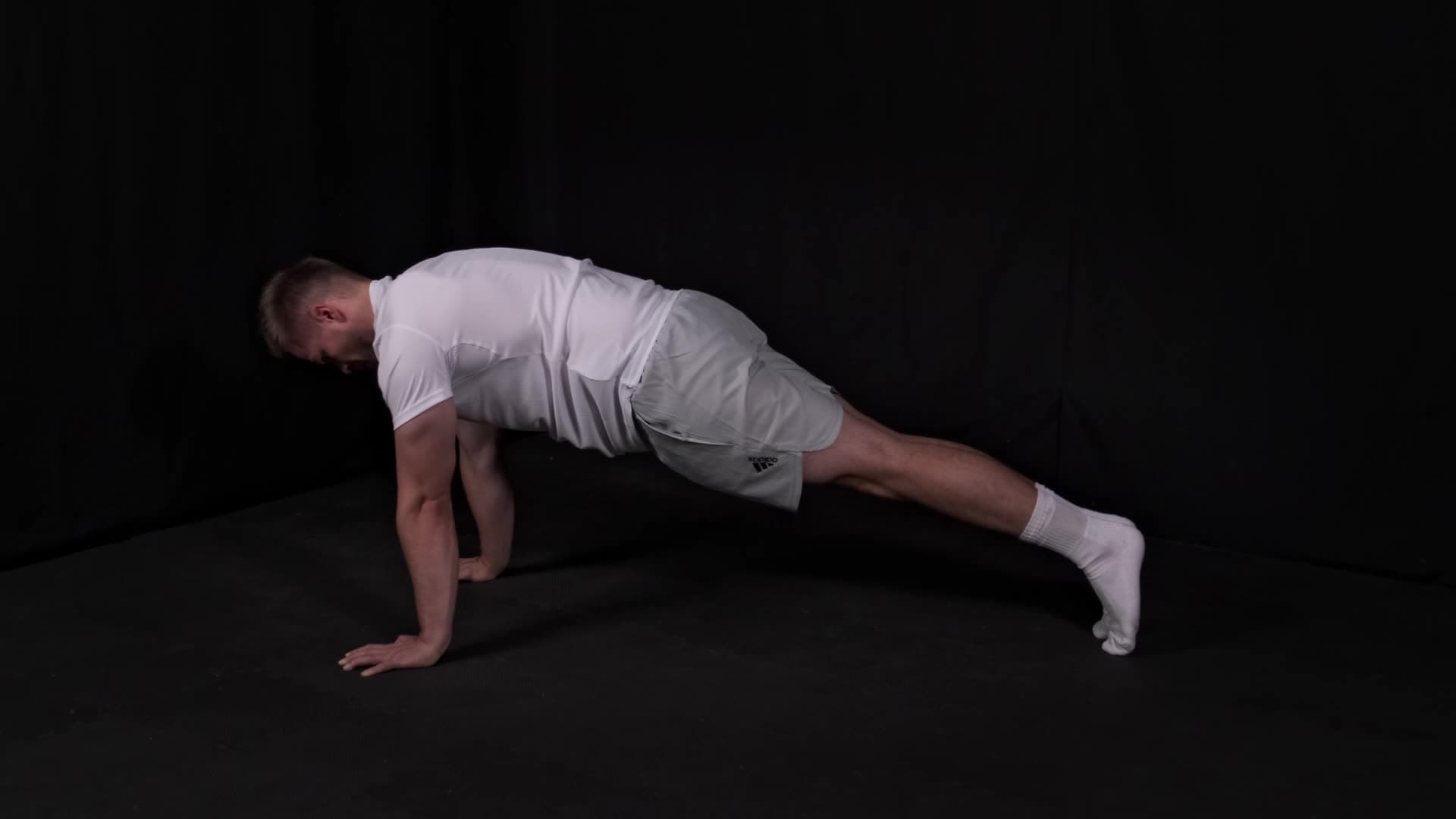
Push Up Progressions
Maintain a straight body line. Avoid the hips sinking down, or raising up too high
If you cannot do a clean rep, put your hands on a counter or bench and lower the surface height as you get stronger. If ten reps feel easy, move to archer push-ups before you start adding reps.
Dip
The dip loads the chest, front shoulders and triceps through a deeper range than any other bodyweight press. It is also the exercise on this list most likely to hurt you if you rush it.
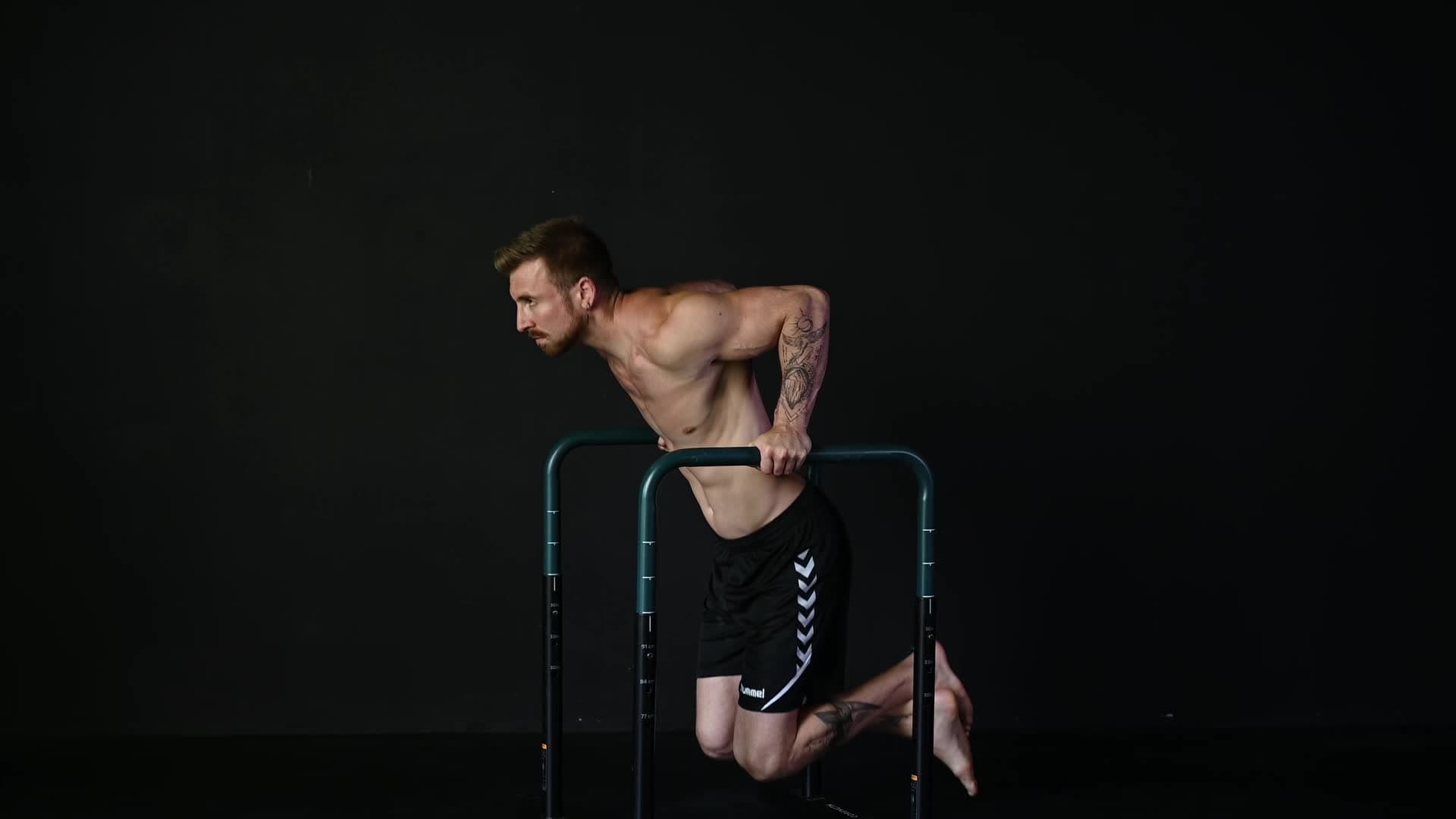
Dip Progressions
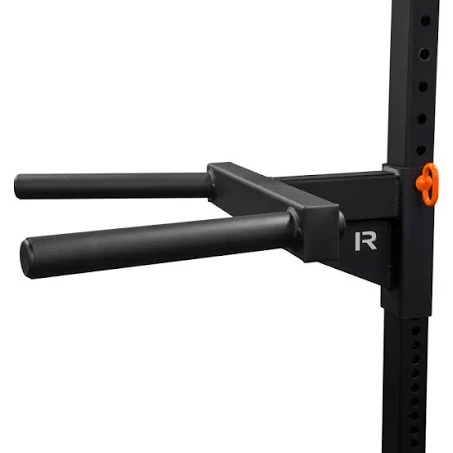
Move slowly with control. Get to 90° elbow angle or deeper, as long as you stay pain free
Start on a bench or chair with your feet on the floor. Build to parallel bars, and only then work toward a full depth where your shoulders drop below your elbows. Stop the descent where your shoulder feels stable, not where a video told you to.
Pike push-up
The pike push-up is the honest answer to training shoulders without weights. Hips high, head travelling toward the floor between your hands, and the load shifts from chest to deltoids.
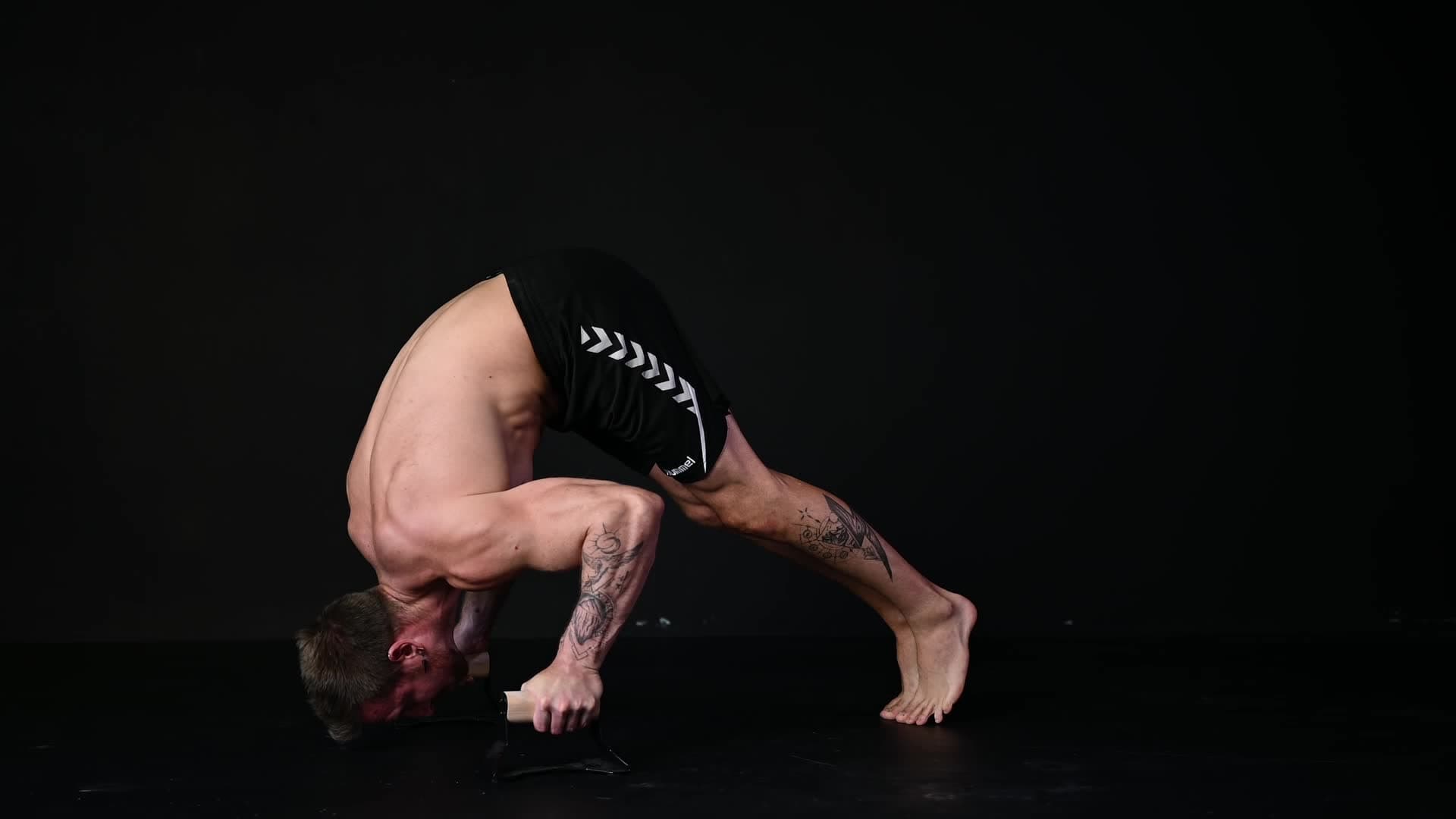
Pike Push Up Progressions
Start in the plank and walk your feet forward to a pike position. Protract the shoulders
Elevating your feet on a box or a step increases the angle and the load. Keep going and this becomes the handstand push-up, which is why it earns a slot rather than being lumped in with the push-up.
Upper body pull: pull-up and inverted row
Two pulls, because vertical and horizontal pulling load your back differently and neither substitutes for the other. Pull-ups build the lats through overhead range. Rows build the mid-back, rear shoulders and the postural muscles that pull-ups mostly skip.
Pull-up
The pull-up is the benchmark. Start from a dead hang, pull your chest toward the bar rather than just clearing your chin, and control the descent instead of dropping.
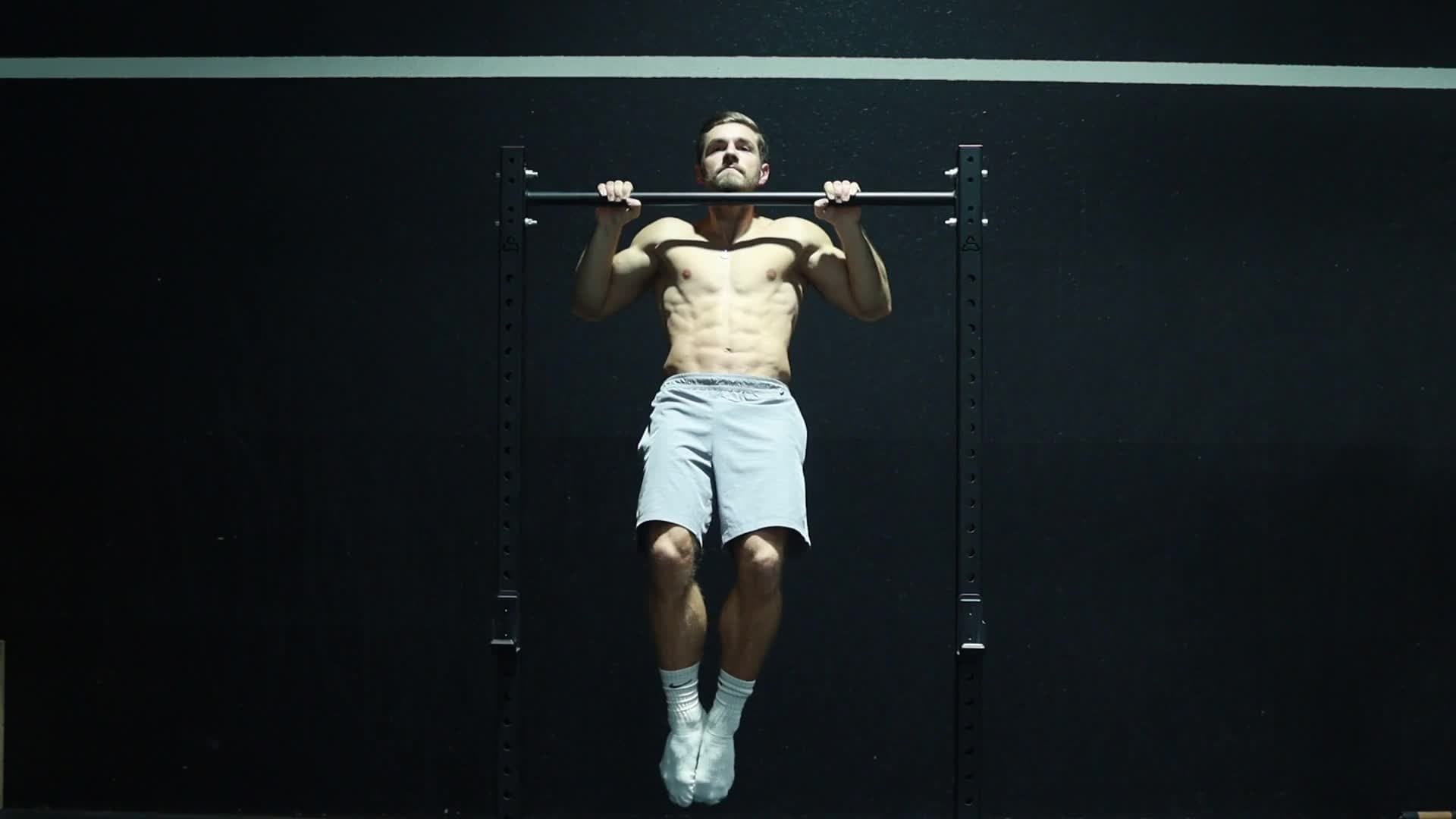
Pull Up Progressions
Start from a dead hang with arms fully extended: use a shoulder-width overhand (pronated) grip. Initiate by depressing and retracting the shoulder blades (scapular pull) before bending the arms
If you have zero pull-ups, stop grinding failed reps at the bar. Train rows and slow negatives, jumping to the top position and lowering over five seconds. The underhand chin-up is the easier grip and usually comes first. Most people also skip the dead hang, which builds the grip and shoulder tolerance that everything else on the bar depends on.
Inverted row
The inverted row is the most underrated exercise on this list. Almost everyone can do one on day one, and it is the fastest route to a first pull-up.
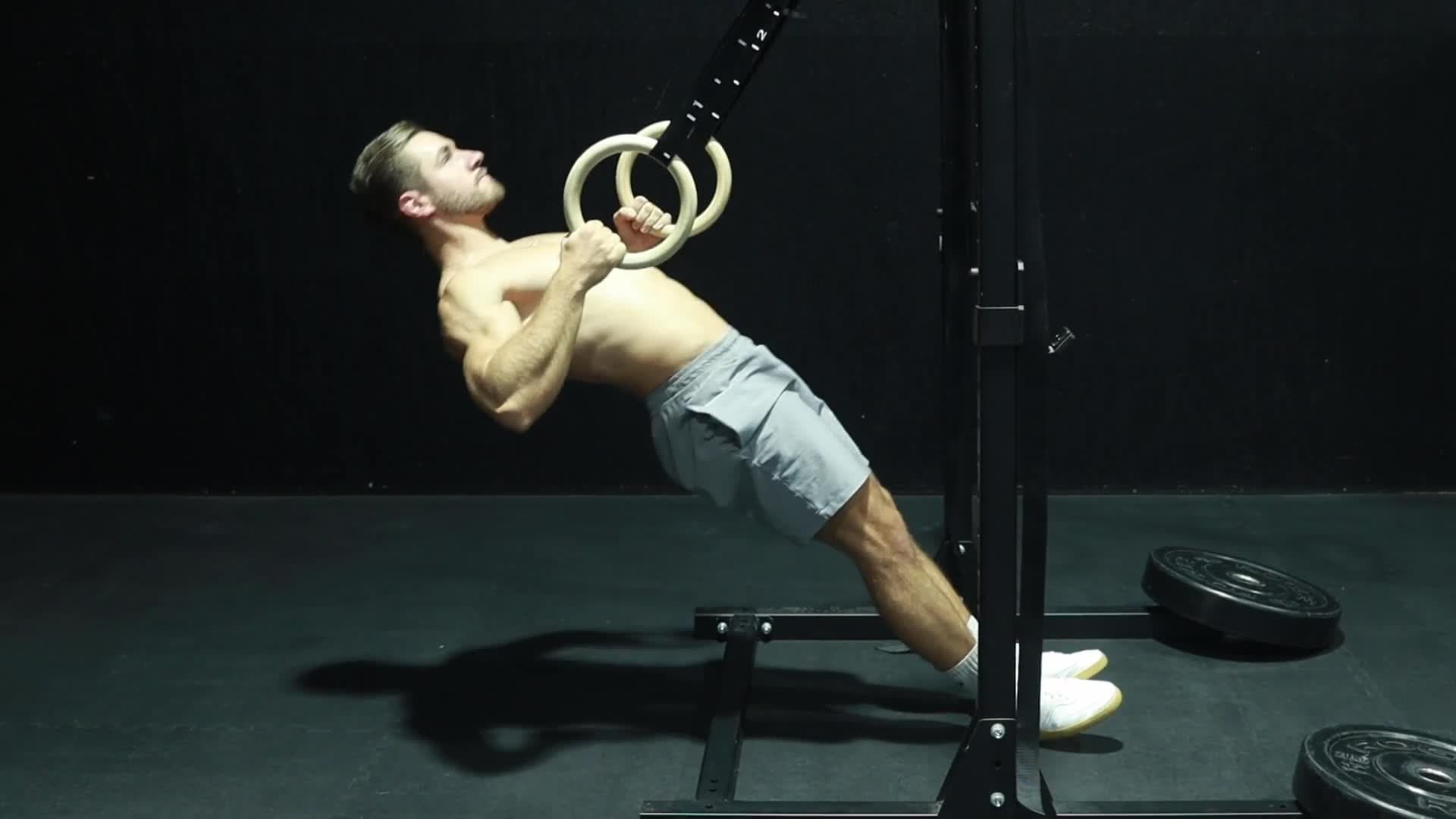
Row Progressions
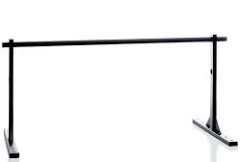
Grip the bar or rings with hands shoulder-width apart: use a pronated, supinated, or neutral grip based on preference. Before pulling, depress and retract the shoulder blades to pre-engage the back muscles: this is the most critical step
Set a bar at hip height, hang underneath it, and pull your chest to the bar with your body straight. Walking your feet forward makes it harder, stepping them back makes it easier, which gives you an infinitely adjustable load with no equipment. No bar at home? A sturdy table works.
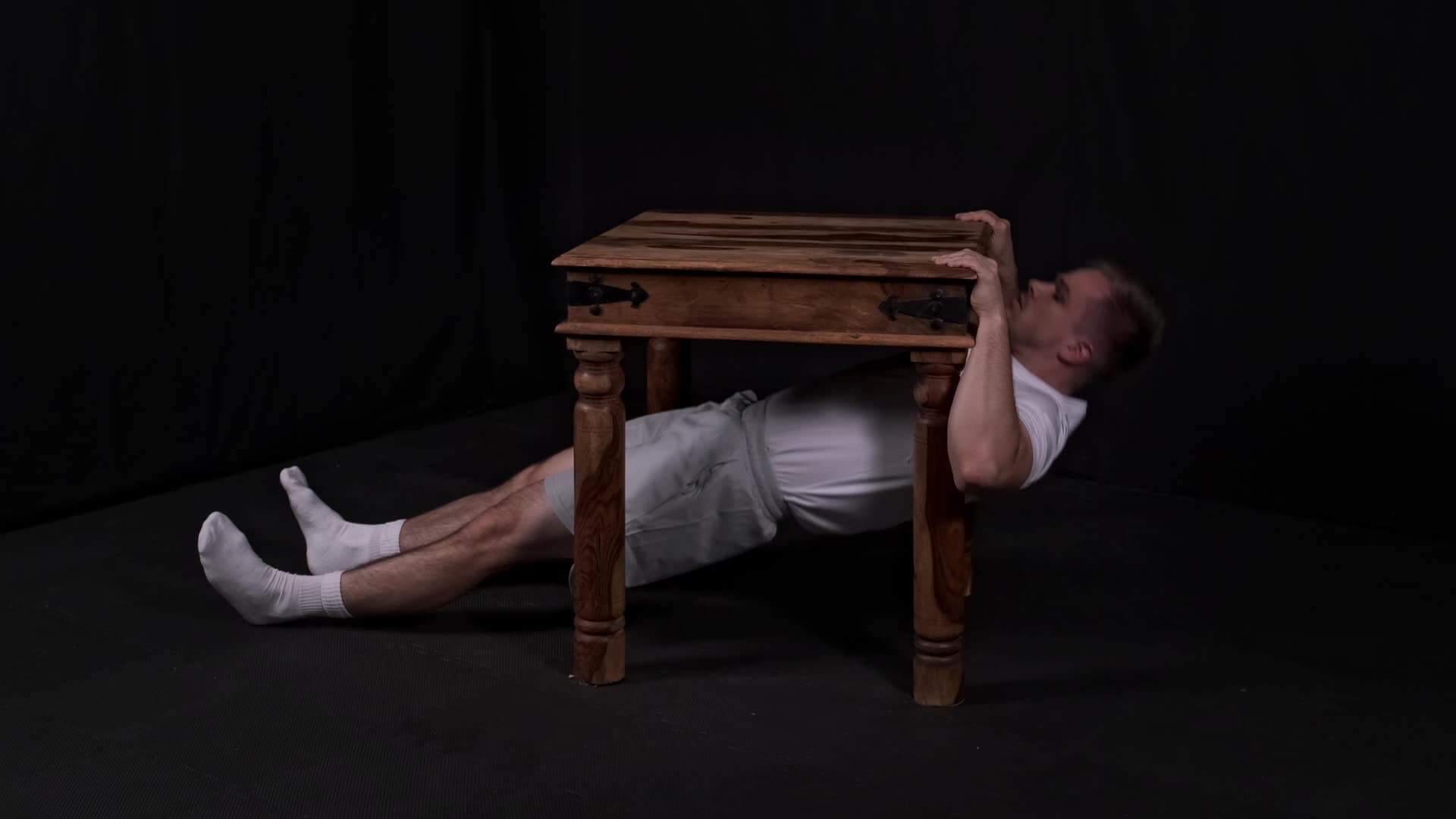
Desk Row Progressions
These progressions use household furniture: always ensure the surface or object is stable and secure before starting. Grip the edge firmly with hands shoulder-width apart and lean back with arms fully extended
Legs: squat and Nordic curl
This is the half of calisthenics most lists get wrong. A two-legged bodyweight squat stops being challenging within a few weeks, and then the list has nothing left to offer your legs.
The real answer is the single-leg ladder. Split squats, then Bulgarian split squats, then the pistol squat, which loads one leg with your entire bodyweight and stays hard indefinitely.
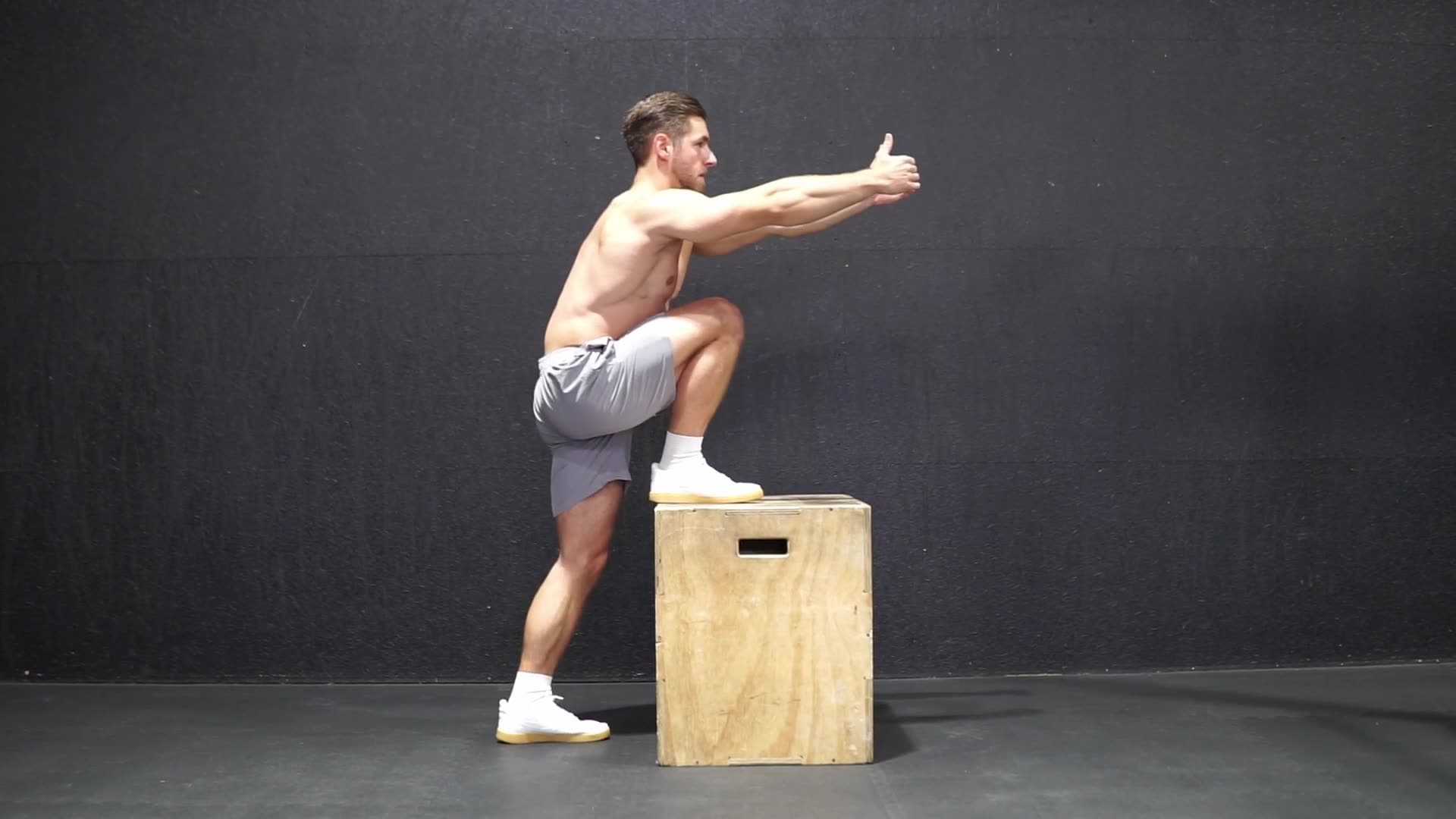
Unilateral Bodyweight Squat Progressions
Stand on one leg with the other leg slightly lifted off the ground: extend your arms forward for balance. Brace your core and keep your back straight throughout the movement
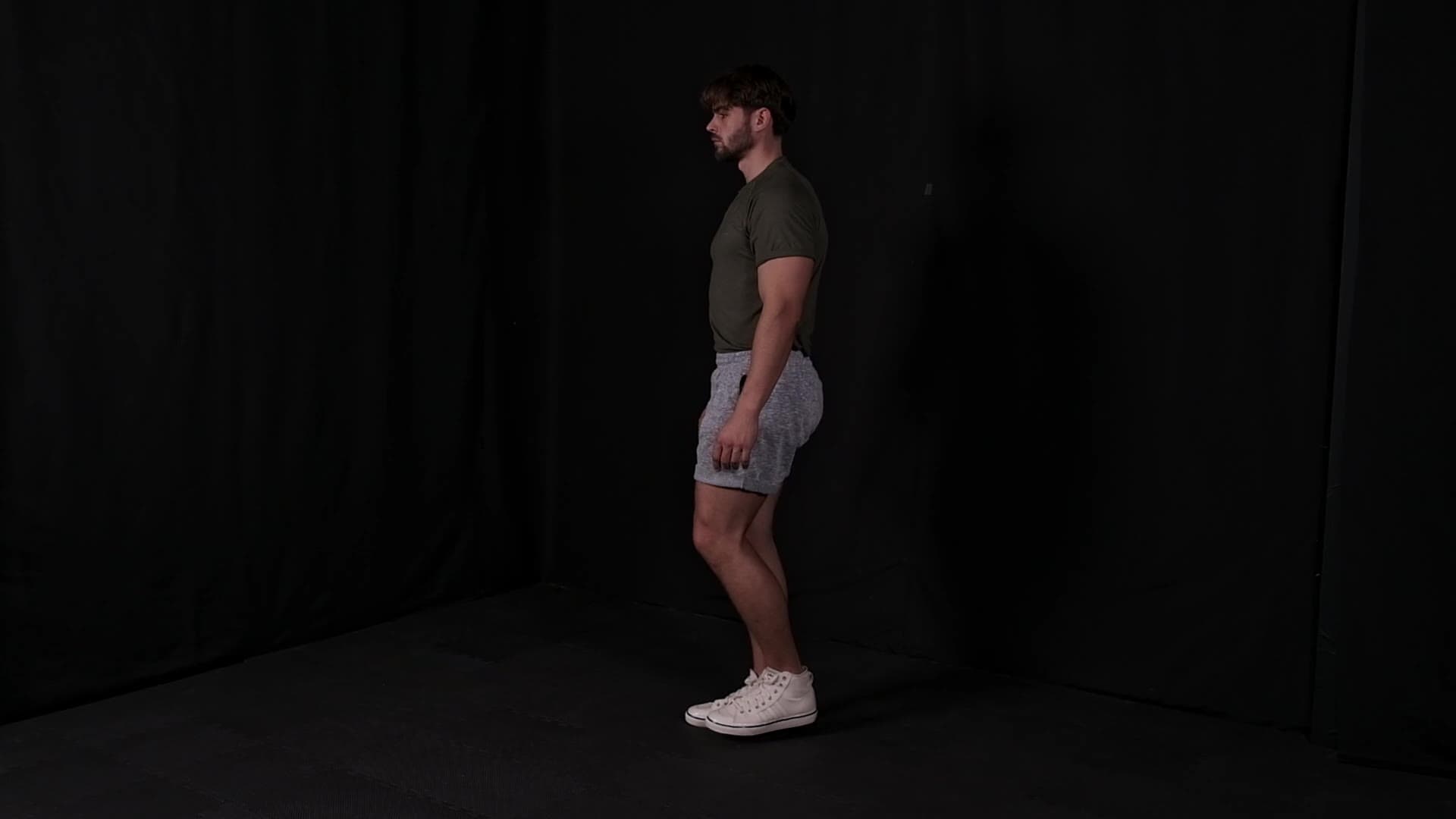
Pistol Squat Progressions
Stand on one leg with feet hip-width apart: lift the other leg and extend it straight forward in front of you. Extend your arms forward for counterbalance: this is crucial for staying upright
The second leg exercise is the one nearly every bodyweight programme is missing. Scan the top-ten lists online and count the hip hinges: most contain zero. Squats are knee-dominant and barely touch the hamstrings, which means an entire major muscle group goes untrained.
The Nordic curl fixes that. Kneel down, anchor your feet under something solid, and lower your torso toward the floor while keeping your hips extended and your body in one line from knee to head.
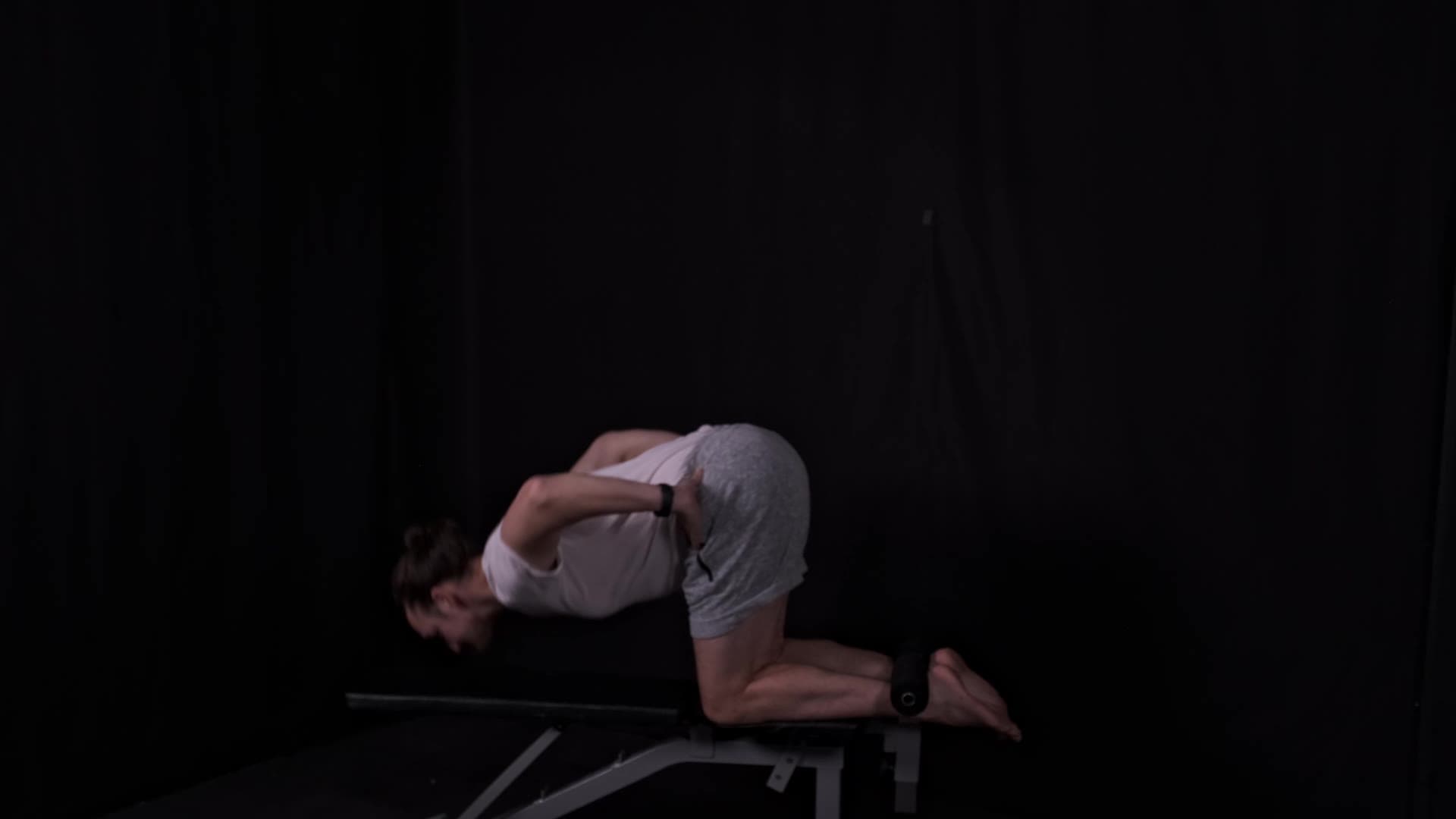
Nordic Curl Progressions
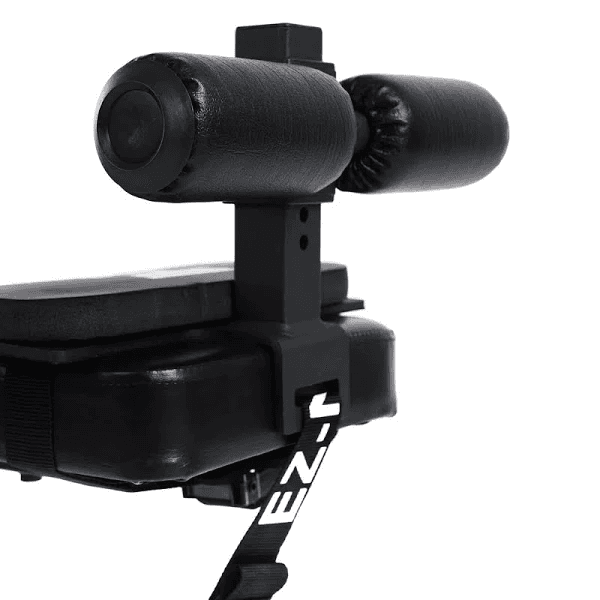
Secure your feet firmly under a sturdy ledge, loaded barbell, or have a partner hold your ankles. Kneel upright with your body in a rigid straight line from knees to head
It is brutally hard at first. Use your hands on the floor to assist the last part of the descent and to push yourself back up, and reduce that assistance over months rather than weeks.
Core: hollow body, hanging leg raise and L-sit
Three core jobs, not three ab exercises. The distinction matters, because most lists give you planks and side planks and call it done.
The hollow body hold trains anti-extension: keeping your ribs down and lower back flat against the floor while your arms and legs try to pull you into an arch. It is the body shape every calisthenics skill borrows, from the pull-up to the front lever.
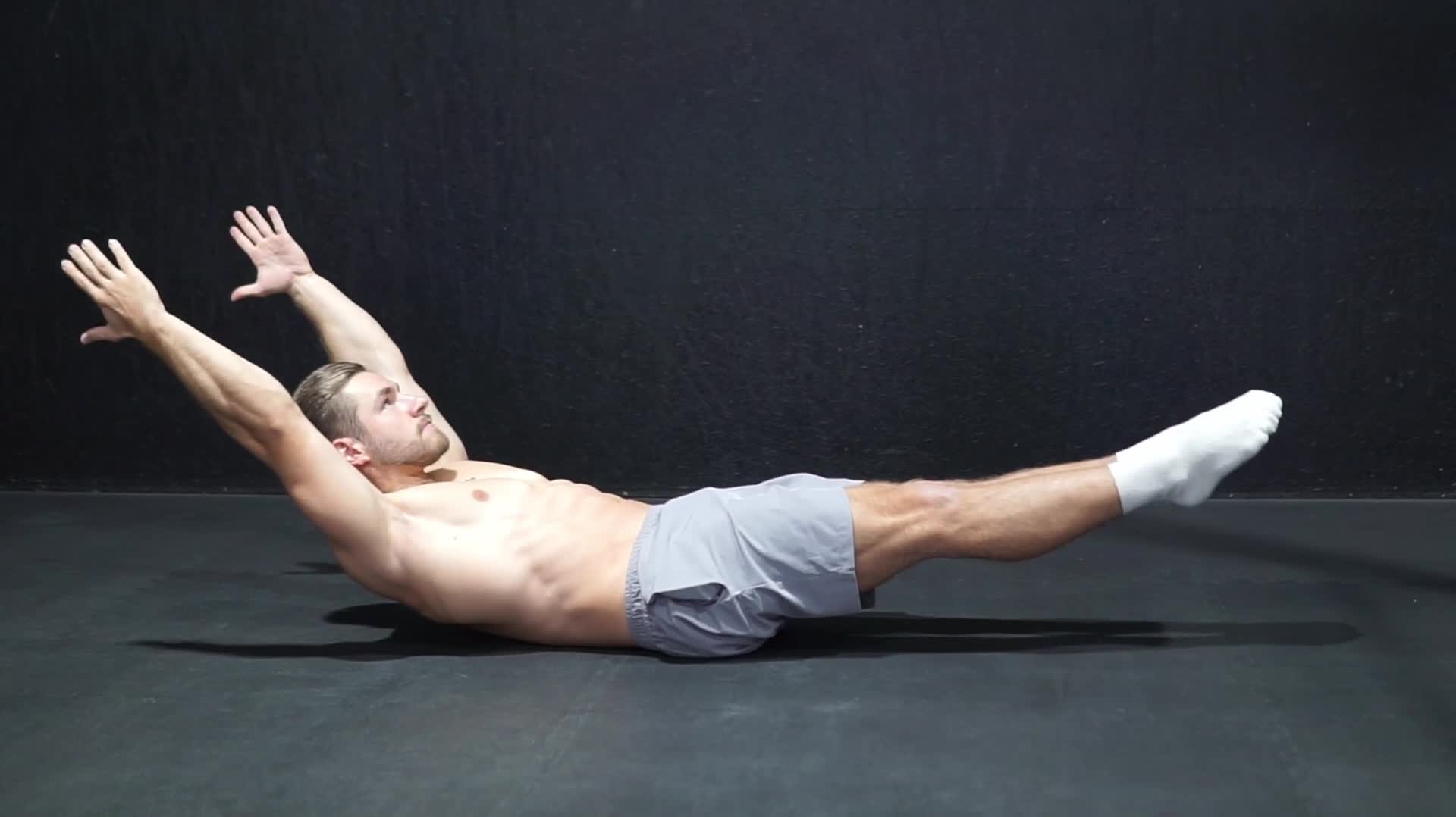
Hollow Body Progressions
Lie on your back with arms extended overhead and legs straight. Press your lower back firmly into the ground: there should be no gap between your back and the floor
Start tucked with your knees in, and extend your limbs as you get stronger. Work toward a 60-second hold in the full position.
The hanging leg raise trains loaded hip flexion, which no floor exercise replicates. Hang from a bar, avoid swinging, and lift your legs with control rather than kicking them up.
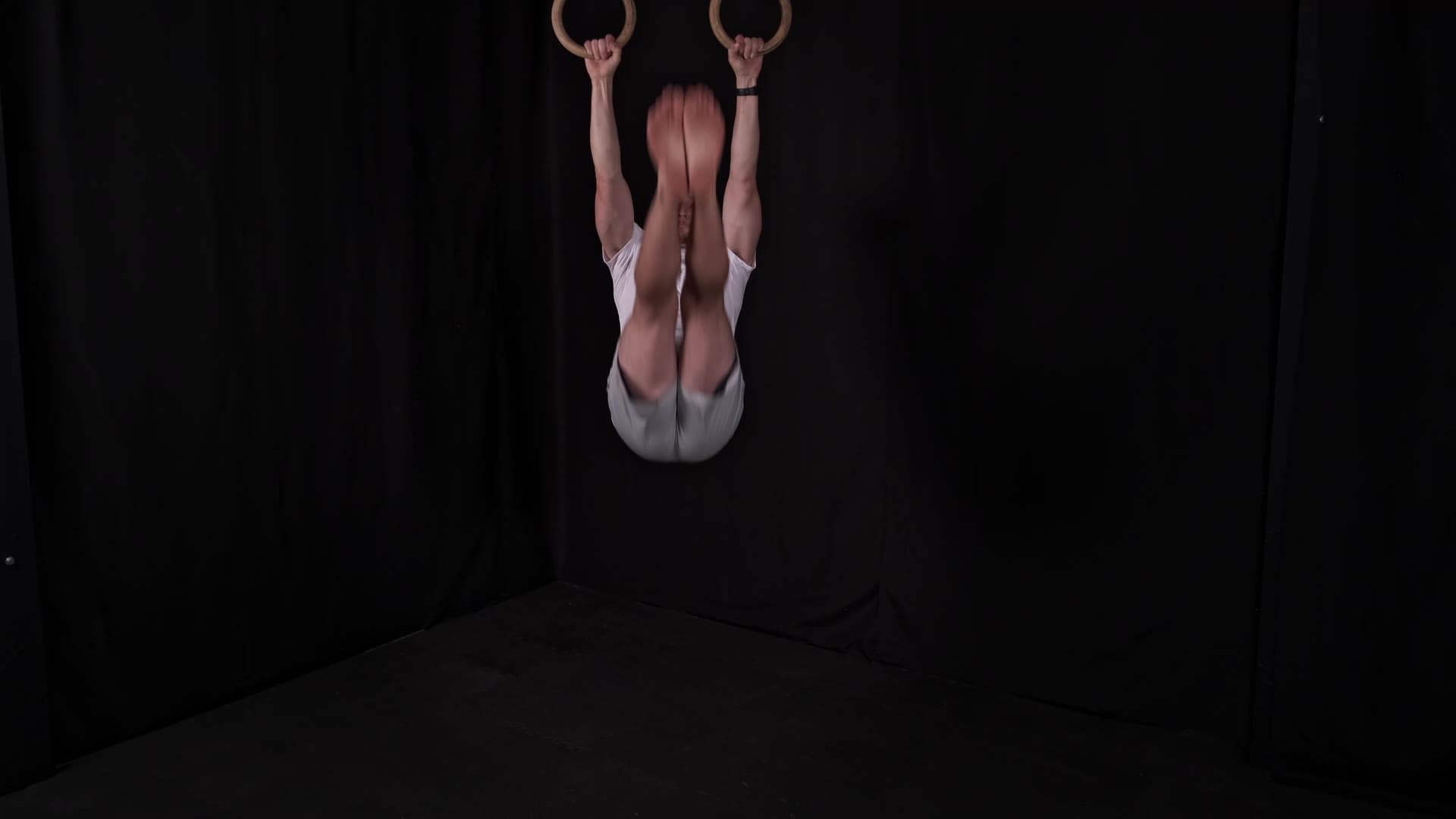
Hanging Leg Raise Progressions
Hang from a pull-up bar or rings with a shoulder-width overhand grip: arms fully extended, shoulders actively engaged (not passive hanging). Depress your shoulder blades by pulling them slightly down and back: this stabilizes your upper body and prevents excessive swinging
Tucked knee raises come first. Ten strict straight-leg raises is a solid target before you chase toes to bar.
The L-sit trains compression and straight-arm scapular strength at the same time, which is a combination nothing else on this list provides.
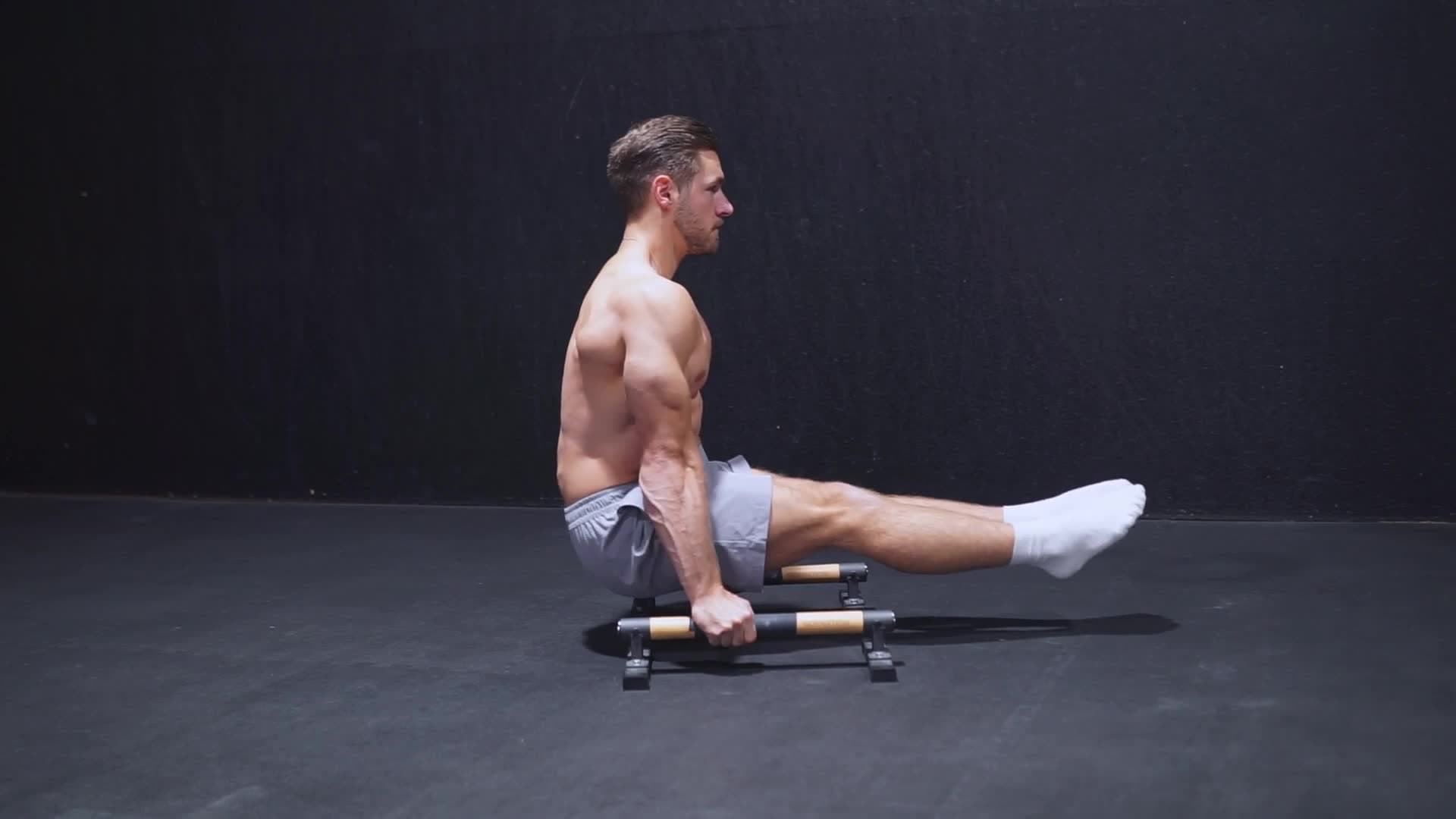
L-Sit Progressions
Place your hands on the floor or parallettes beside your hips: fingers pointing forward, arms completely straight with elbows locked out. Actively depress your shoulder blades by pushing your shoulders down toward the ground: this creates the clearance needed to lift your legs
Support yourself on parallettes or the floor, push your shoulders down away from your ears, and hold your legs out in front. Fifteen seconds in a tuck L-sit is the checkpoint before attempting the full version.
How to turn these 10 into a weekly workout
Three full-body sessions a week, each taking one exercise from each block. That is the whole plan.
| Day | Push | Pull | Legs | Core |
|---|---|---|---|---|
| Monday | Push-up | Pull-up | Squat variation | Hollow body hold |
| Wednesday | Dip | Inverted row | Nordic curl | Hanging leg raise |
| Friday | Pike push-up | Pull-up | Squat variation | L-sit |
Run 3 to 4 sets of 5 to 12 reps on the strength movements, and hold the core exercises for time. Take every working set close to failure, meaning you finish with roughly two reps left in reserve. Rest two to three minutes between sets on the hard movements.
The progression rule is one sentence: when you hit the top of the rep range with clean form on every set, take the harder variation. Not after a fixed number of weeks, and not when it feels easy. That single rule is what turns a list of exercises into training.
Session length lands between 30 and 40 minutes at this exercise count, which is enough. If you want the whole thing already built, both of these free routines follow the same structure.

Reddit's Recommended Routine
Full-body Workout
19 exercises · ~67 min
Reddit's BWF Primer Routine
Full-body Workout
6 exercises · ~41 min
For a longer block with weekly progression built in, follow the full beginner workout plan.
Do calisthenics exercises actually build muscle?
Yes, and the evidence is more specific than the usual reassurance.
A 2022 systematic review in Sports Medicine found that low-load resistance training produces hypertrophy comparable to heavy-load training, provided sets are taken close to muscular failure. Load is not the variable that decides the outcome. Proximity to failure is.
A study by Kikuchi and Nakazato in the Journal of Physical Therapy Science tested that directly by comparing a push-up programme against a load-matched bench press programme, and found similar gains in muscle thickness and strength between the two groups.
The honest caveat: bodyweight loading is harder to fine-tune than a barbell. You cannot add 2.5 kg to a push-up. What you can do is change leverage, and the jumps between variations are larger and less even than the jumps on a weight stack.
That is precisely why the regression and progression ladders in this article matter more than the exercise names. A list of ten movements is worth very little. Ten movements with a defined next rung is a training system. For the full picture on where bodyweight training wins and where it genuinely falls short, read what calisthenics is and where it falls short.
What to train once these 10 get easy
Every exercise on this list feeds a named skill. The foundations are not a separate phase you graduate from, they are the thing the skills are made of.
- Pull-up and explosive pulling build toward the muscle up, the first bar skill most people chase.
- Pike push-up builds directly into the handstand push-up once you can press your bodyweight overhead at a steep angle.
- Hollow body and inverted rows build the front lever, which is a horizontal hold demanding both at maximum.
- Push-ups and the L-sit build the planche, the straight-arm pressing skill at the top of the difficulty scale.
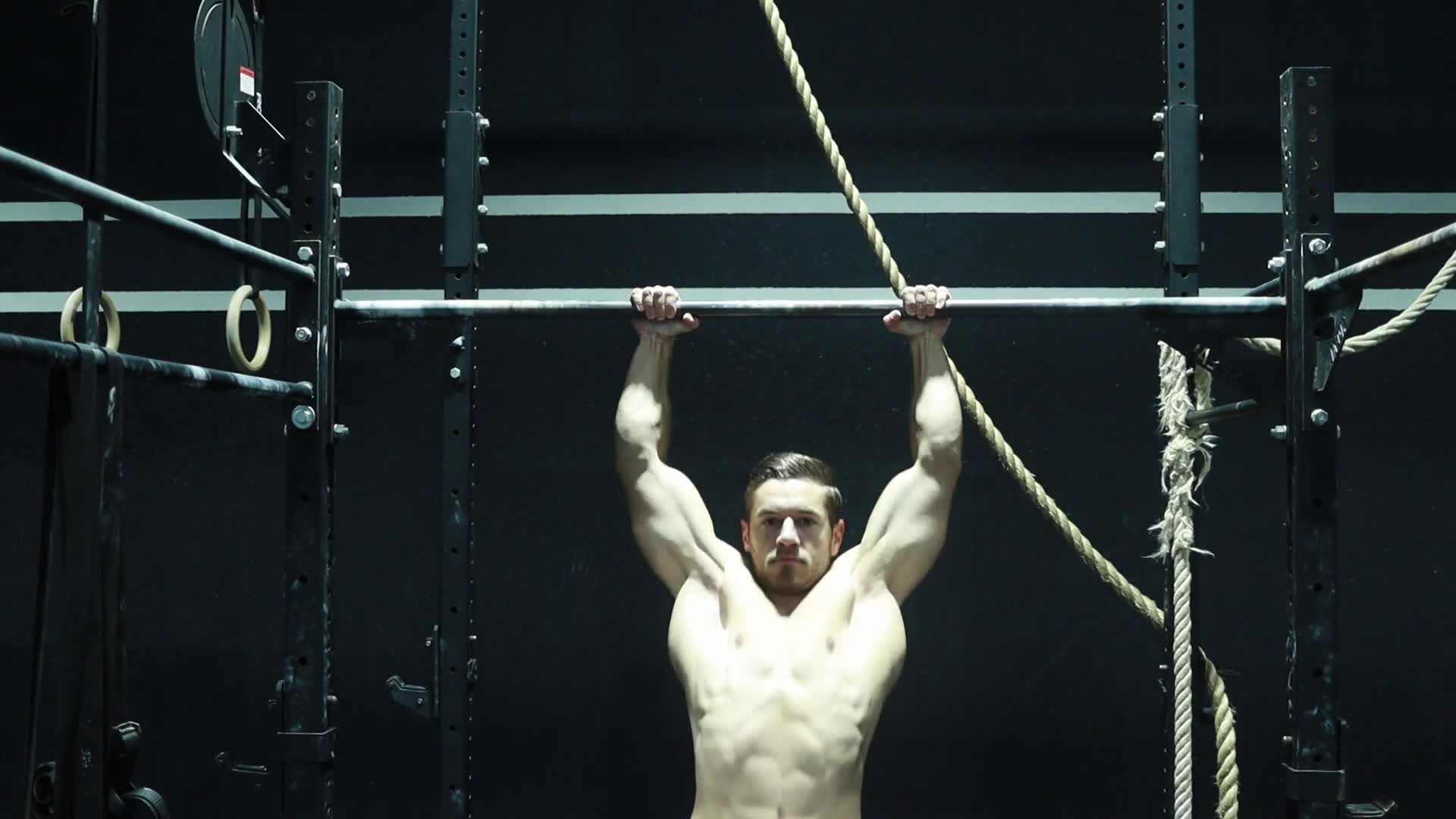
Muscle Up Progressions
Start by standing behind the bar. Jump to the bar such that you swing forward, into a slightly arched back position
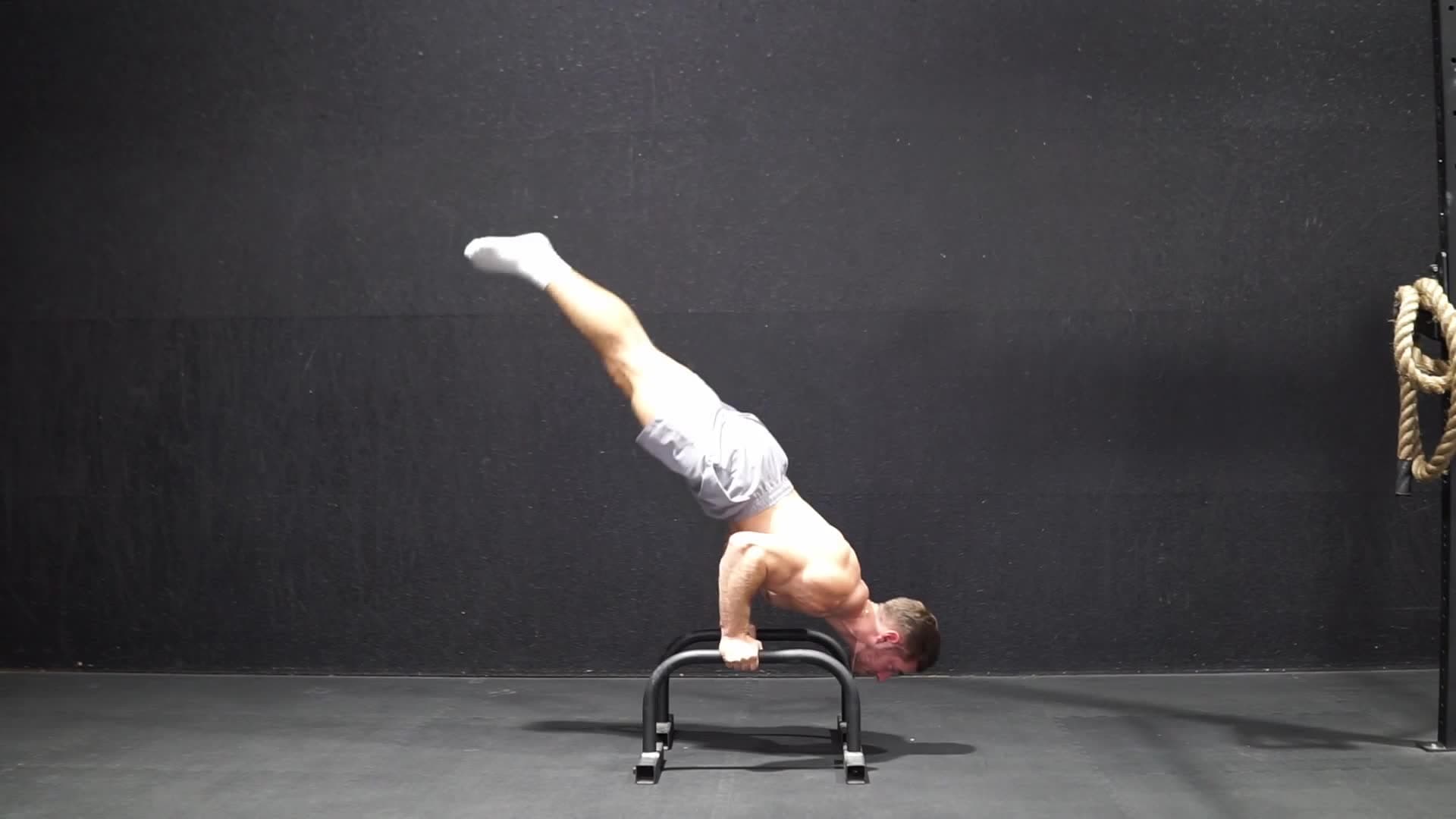
Handstand Push Up Progressions
Keep the core tight and glutes + abs engaged. Lean the shoulders forward as you descend, keeping hips stacked over wrists
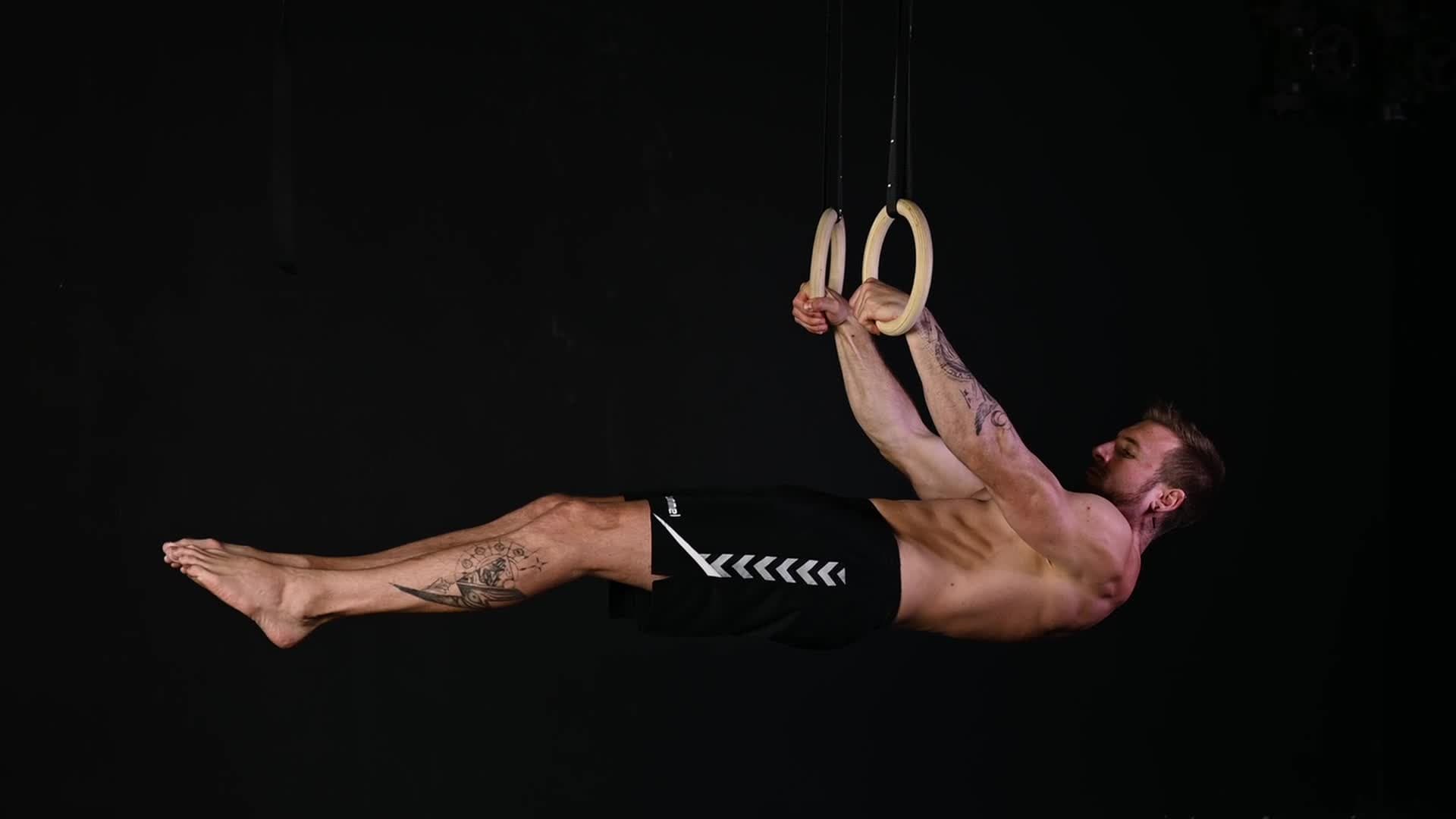
Front Lever Progressions
Actively depress your shoulder blades by pulling them down away from your ears; this is the foundation of a strong front lever position. Retract your shoulder blades by squeezing them together as if pinching a coin between them; combine depression and retraction for a stable shoulder base
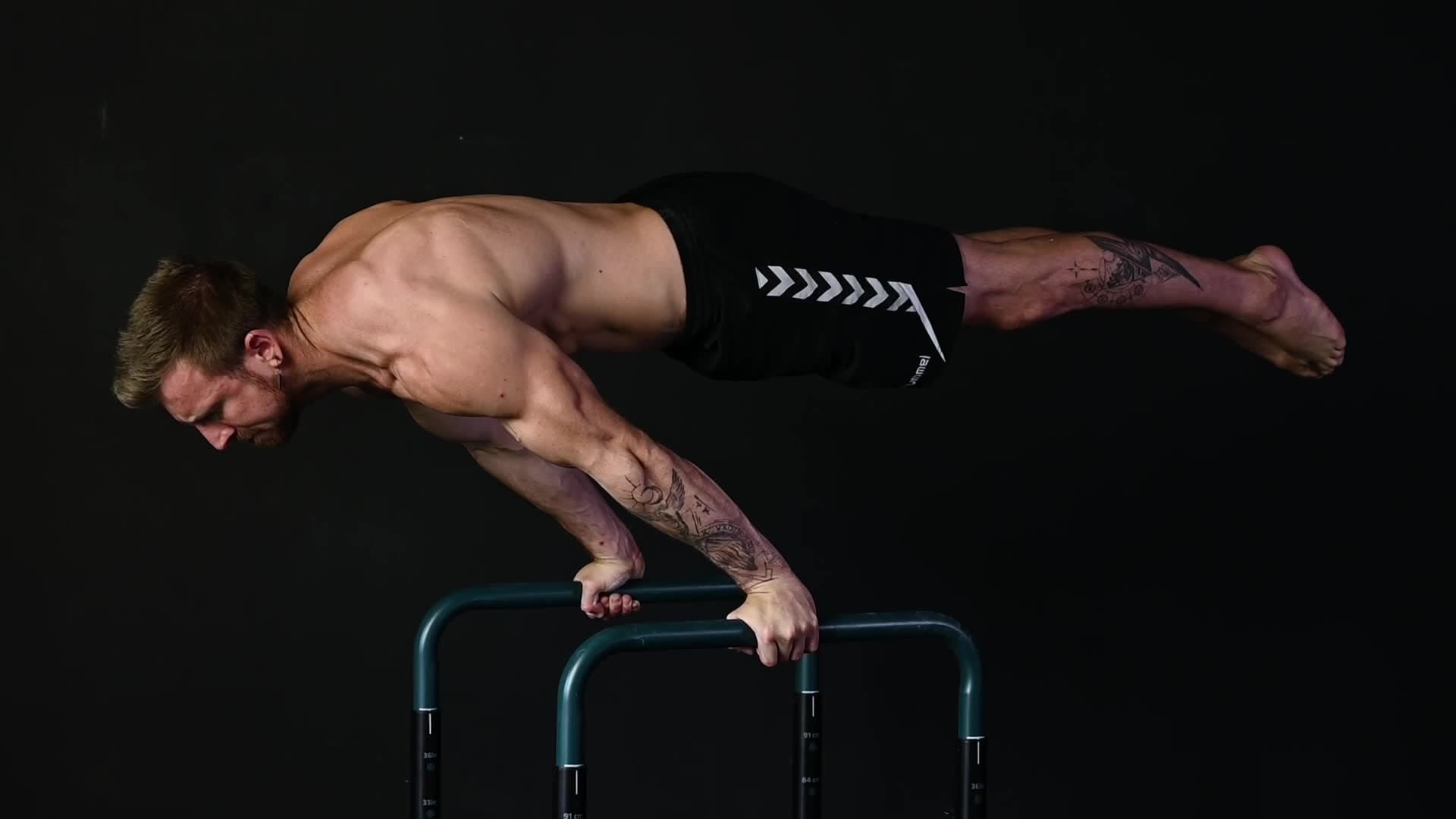
Planche Progressions
Place hands shoulder-width apart, fingers turned outward ~45° for wrist comfort (or use parallettes). Lock elbows fully and turn them forward: this stabilizes the shoulders and engages the biceps
The people who get these skills fastest are almost never the ones who started attempting them earliest. They are the ones who spent a year making the ten basics genuinely hard.
Frequently asked questions
What are the 5 basic calisthenics exercises?
Push-up, pull-up, dip, squat and hollow body hold. Those five cover pushing, pulling, legs and core, which is why they appear on almost every list. Adding an inverted row, a pike push-up and a Nordic curl closes the remaining gaps in horizontal pulling, overhead pressing and hamstrings.
Can you build muscle with calisthenics?
Yes. Research on low-load training shows hypertrophy comparable to heavy weights when sets are taken close to failure, and a direct comparison of push-ups and bench press found similar gains in muscle thickness. The requirement is progressive overload, which in calisthenics means harder variations rather than heavier loads.
How many calisthenics exercises should I do per workout?
Five to seven is plenty for a full-body session: one push, one pull, one leg, one core movement, plus one or two extras. Three to four sets each, taken close to failure. That fits inside 30 to 40 minutes and leaves enough recovery to train three times a week.
Can you do calisthenics every day?
You can practise skills and mobility daily, but strength work needs recovery. Train hard sets of push-ups, pull-ups, dips and squats on three or four non-consecutive days. Daily hard training on the same movements slows progress, because muscle and connective tissue adapt during rest, not during the session.
What is the hardest calisthenics exercise?
The one-arm planche and the one-arm pull-up are usually named as the hardest, with the human flag close behind. None of them are entry points. Every one of them is built from the same ten foundations in this article, which is why strong basics matter more than early skill attempts.
Simple Calisthenics turns all ten of these movements into a personal progression ladder, so you always know the exact next rung for your current strength. Start free today.
Start free trialFAQ
- What are the 5 basic calisthenics exercises?
- Push-up, pull-up, dip, squat and hollow body hold. Those five cover pushing, pulling, legs and core, which is why they appear on almost every list. Adding an inverted row, a pike push-up and a Nordic curl closes the remaining gaps in horizontal pulling, overhead pressing and hamstrings.
- Can you build muscle with calisthenics?
- Yes. Research on low-load training shows hypertrophy comparable to heavy weights when sets are taken close to failure, and a direct comparison of push-ups and bench press found similar gains in muscle thickness. The requirement is progressive overload, which in calisthenics means harder variations rather than heavier loads.
- How many calisthenics exercises should I do per workout?
- Five to seven is plenty for a full-body session: one push, one pull, one leg, one core movement, plus one or two extras. Three to four sets each, taken close to failure. That fits inside 30 to 40 minutes and leaves enough recovery to train three times a week.
- Can you do calisthenics every day?
- You can practise skills and mobility daily, but strength work needs recovery. Train hard sets of push-ups, pull-ups, dips and squats on three or four non-consecutive days. Daily hard training on the same movements slows progress, because muscle and connective tissue adapt during rest, not during the session.
- What is the hardest calisthenics exercise?
- The one-arm planche and the one-arm pull-up are usually named as the hardest, with the human flag close behind. None of them are entry points. Every one of them is built from the same ten foundations in this article, which is why strong basics matter more than early skill attempts.