Pull Up Progressions
Muscles worked
- Lat
- Bicep
- Trapezius
- Forearm Flexors
- Middle Traps
- Rear Neck
- Rear Shoulder
- Forearm Extensors
- External Rotators
Equipment
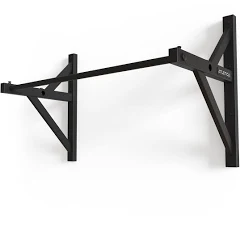
Form Cues
-
Start from a dead hang with arms fully extended: use a shoulder-width overhand (pronated) grip
-
Initiate by depressing and retracting the shoulder blades (scapular pull) before bending the arms
-
Pull your chest toward the bar by driving the elbows down and back: think about pulling the bar to your chest, not your chin to the bar
-
Pull until your chin clears the bar with the chin tucked: do not extend the neck to cheat the top position
-
Hold briefly at the top, then lower with control over 2 seconds back to full arm extension
-
Keep the core engaged throughout: avoid excessive arching, kipping, or leg swing
-
Return to a full dead hang at the bottom of each rep before initiating the next pull
-
Grip: neutral is the kindest to the joints, overhand carries over best to other pulling skills, underhand (chin-ups) works the biceps more but needs more mobility at the bottom
-
On rings the grip rotates freely, which helps if pull-ups bother your wrists or elbows
-
Core: an arched back is easier and carries over to the front lever, a hollow body is harder and carries over to muscle-ups: arching at the start and flexing at the top is the strongest combination
Progressions
01 Top Hold Pull Up
-
Jump or step up to the top pull-up position: chin over the bar with arms fully bent
-
Use a shoulder-width overhand grip and immediately depress the shoulder blades down and back
-
Hold this top position for the target time: focus on keeping the chin above bar level without neck extension
-
Keep the shoulders packed down away from the ears throughout the entire hold
-
Engage the core and maintain a straight body line: do not let the legs swing
-
If you cannot hold the full time, step down, rest briefly, and accumulate the remaining time
-
This builds the isometric strength at the hardest position of the pull-up and prepares you for negatives
-
02 Self Assisted Pull Ups
-
Set up a low bar or rings at roughly chest height: grip with a shoulder-width overhand grip
-
Place your feet on the ground in front of you and hang with arms extended, using your legs to support some body weight
-
Initiate by depressing the shoulder blades, then pull your chest toward the bar driving elbows down and back
-
Use only as much leg assistance as needed: the goal is to do most of the work with your upper body
-
Lower with control over 2 seconds back to the starting position: do not drop into the bottom
-
As you get stronger, progressively reduce foot support by straightening your legs or placing feet further forward
-
This builds the pulling pattern and scapular control needed before progressing to band-assisted or negative pull-ups
-
03 Band Assisted Pull Ups
Bands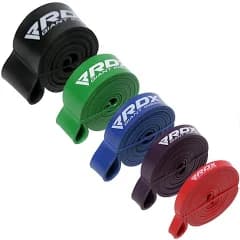
-
Loop a resistance band over the bar and place one or both feet (or knees) in the band
-
Use a shoulder-width overhand grip and start from a full dead hang with arms extended
-
The band provides the most assistance at the bottom and least at the top: expect the last portion to be the hardest
-
Initiate with scapular depression, then pull your chest toward the bar driving elbows down and back
-
Pull until chin clears the bar, hold briefly, then lower with control over 2 seconds to full extension
-
Keep the core engaged: do not let the band pull you into excessive arch or leg swing
-
Progress to thinner bands over time: the goal is to build toward unassisted pull-ups
-
04 Negatives Pull Up
-
Jump or step up to the top pull-up position: chin over bar, arms fully bent, shoulder-width overhand grip
-
Hold briefly at the top, then begin lowering yourself as slowly as possible: aim for 3-5 seconds on the descent
-
Focus on controlling every portion of the lowering: top, mid-range (90-degree elbow bend), and bottom
-
Keep the shoulder blades depressed and retracted throughout: do not let them shrug up as you lower
-
Maintain a straight body line with core engaged, no kipping or swinging on the way down
-
Lower all the way to a full dead hang with arms completely extended before stepping back up
-
This eccentric-only exercise builds the pulling strength needed for your first full pull-up
-
05 Paused Negative Pull Up
-
Jump or step up to the top pull-up position: chin over bar, arms fully bent
-
Begin lowering slowly, then pause and hold for 2-3 seconds at the 90-degree elbow bend (mid-range)
-
After the mid-range pause, continue lowering slowly and pause again just before full arm extension
-
Each pause builds isometric strength at specific joint angles: fight to hold position without dropping
-
Keep the shoulder blades depressed throughout: the pauses make shrugging more tempting as fatigue builds
-
Maintain a straight body line: do not let the body swing or kip during or between pauses
-
Step or jump back up to reset: this is harder than regular negatives and builds strength at the weakest points of the pull-up
-
06 Pull Ups
-
Use a shoulder-width overhand (pronated) grip on a bar or rings: hands roughly in line with your shoulders
-
Start from a full dead hang with arms completely extended and shoulder blades in a passive position
-
Initiate by depressing and retracting the shoulder blades (scapular pull), then continue pulling by driving elbows down and back
-
Pull your chest toward the bar: think about bringing the bar to your chest, not your chin to the bar
-
Pull until chin clears the bar with chin tucked, hold briefly at the top, then lower with control over 2 seconds
-
Return to a full dead hang at the bottom: full range of motion is essential for maximum strength gains
-
Keep the core engaged, avoid kipping, and maintain an even pull from both arms
-
Common mistakes
Built into a program made for you
Every exercise here adapts to your goals, equipment and schedule inside the app.