Calisthenics progressions from your first pull-up to advanced skills
Options for everyone, from total beginners to expert athletes. Whether you train without equipment or in a gym, Simple Calisthenics finds the right exercise variation for you and levels it up as you get stronger.
Exercise Options for all Levels and Goals
Options for everyone, from total beginners to expert athletes. No matter if you train without equipment or in a gym, you will find the right exercises for you.
Unlocking the Pull Up and Beyond
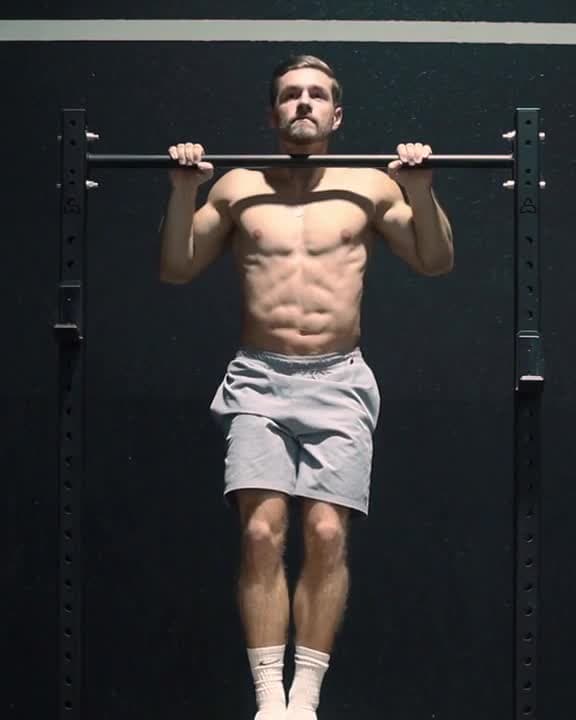
Self-Assisted Pull Ups
Use assistance from your legs as needed
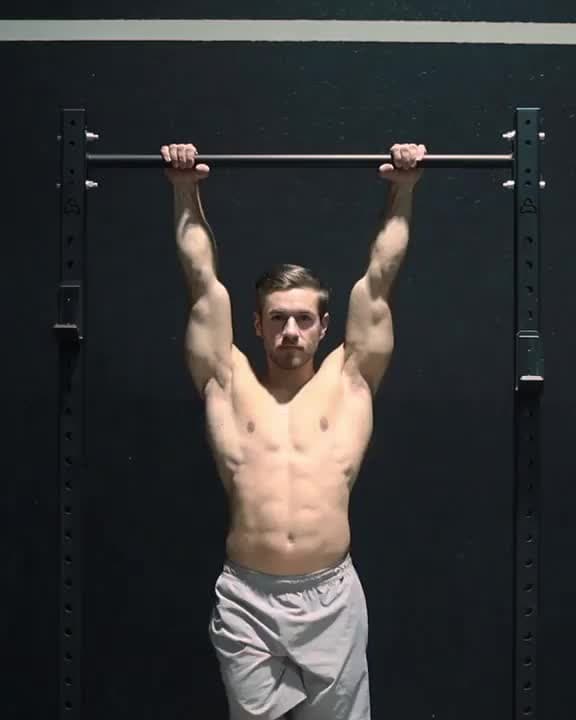
Negative Pull Ups
Performing the negative phase only
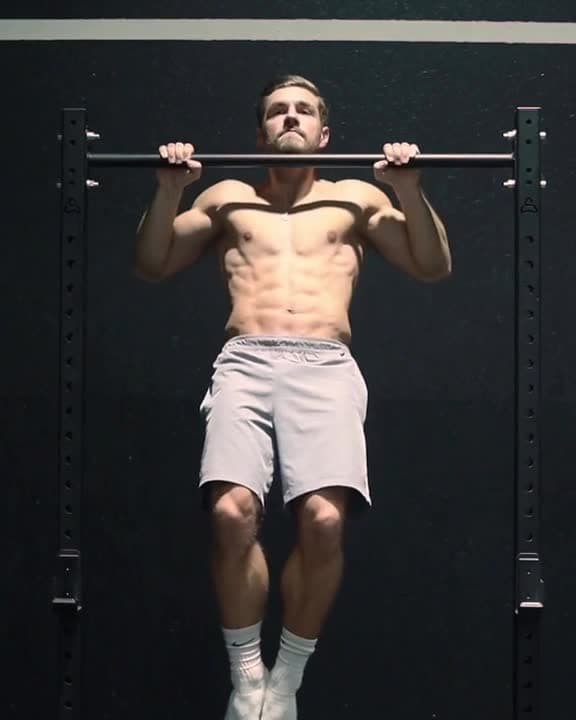
Pull Ups
Unlocking the full range of motion
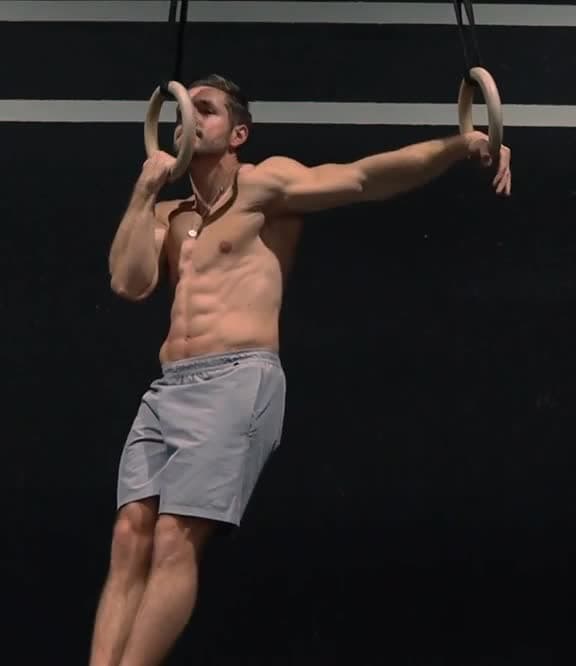
Archer Pull Ups
Progress to even harder exercises
Achieve Advanced Calisthenics Skills
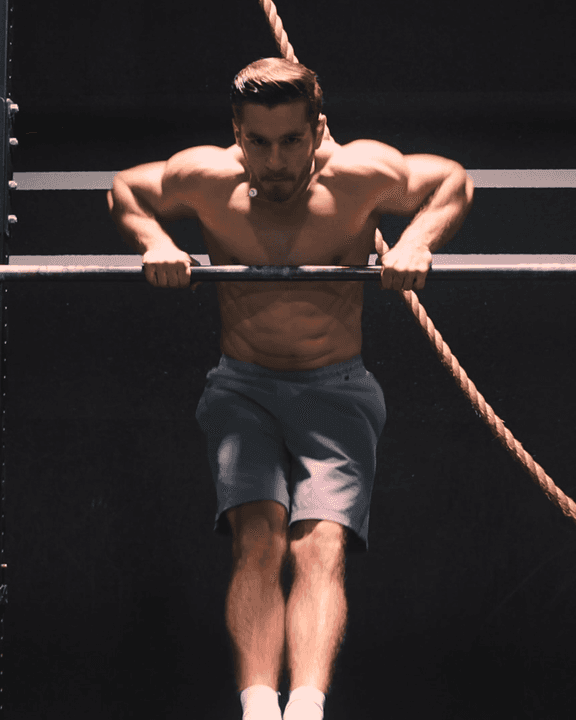
Muscle Ups
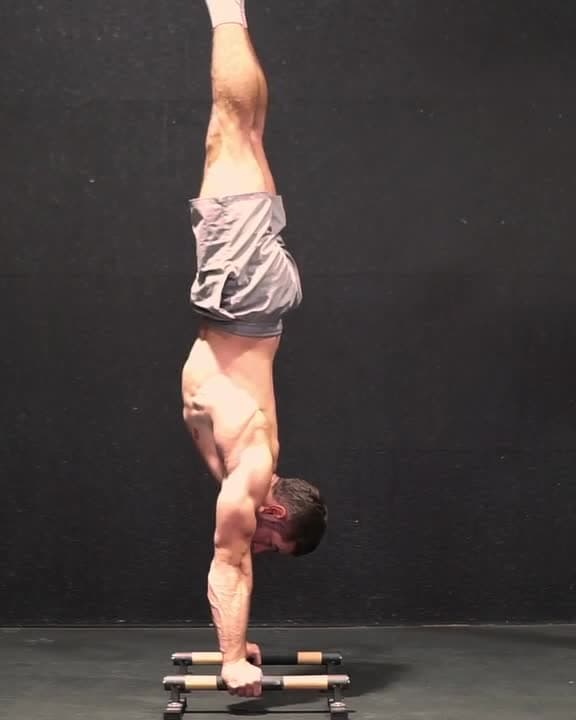
Handstand
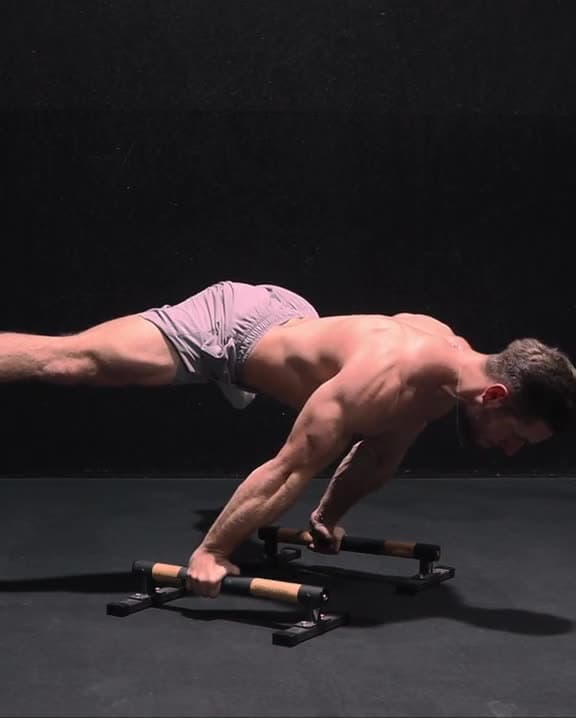
Planche
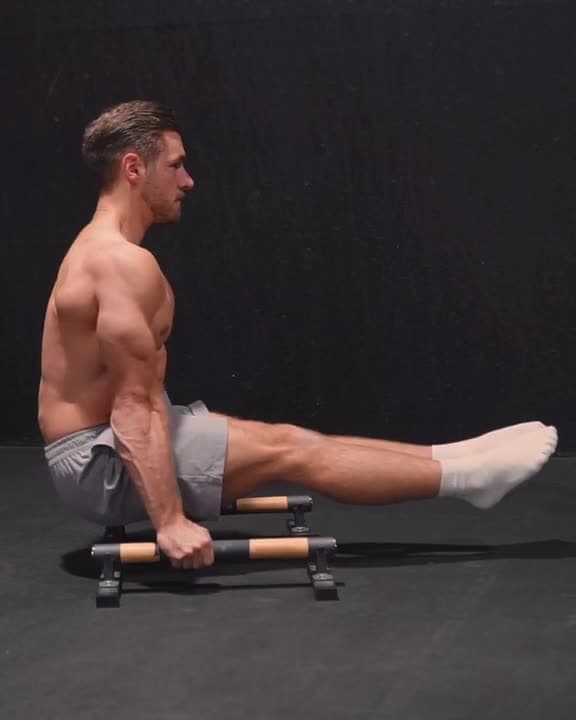
L-Sit
And many more...
Improve Mobility and Flexibility
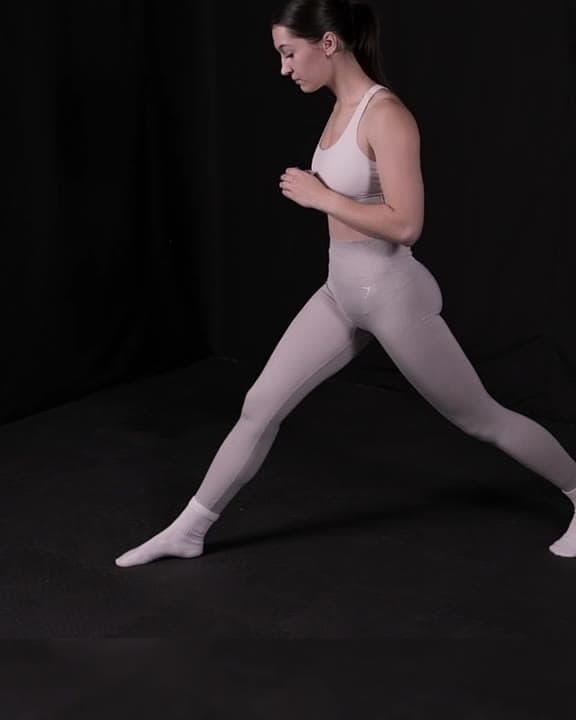
Improve Squat Mobility
Optimize your Pistol Squats or Barbell Squats form
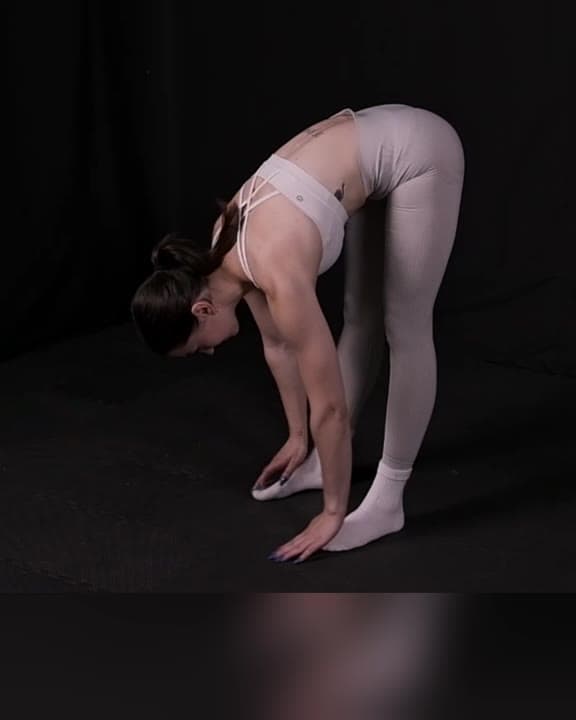
Improve Front Fold Mobility
Helpful for many calisthenics skills
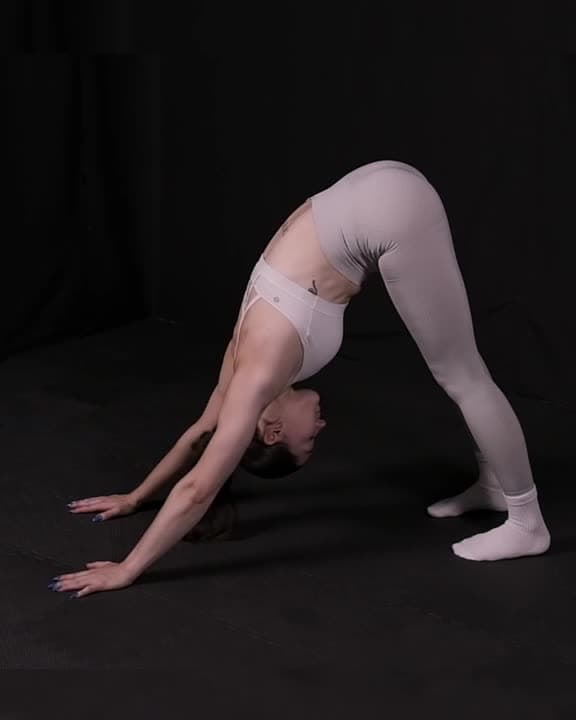
Improve Overhead Mobility
Important for Handstand and other skills
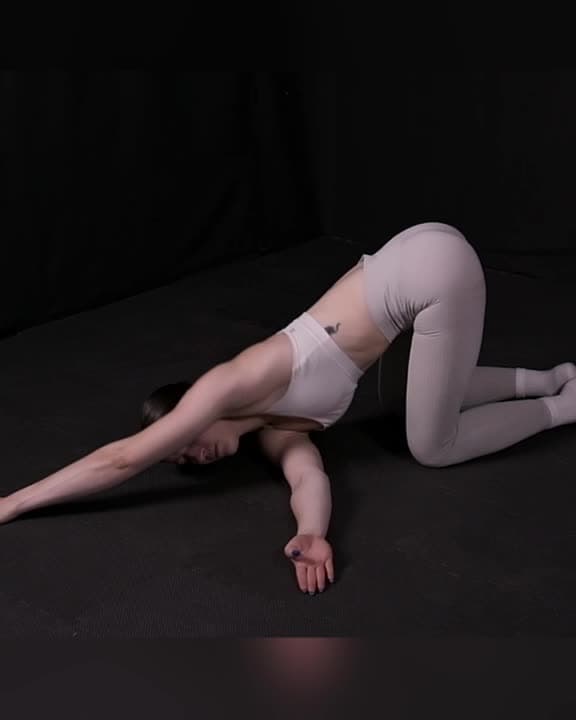
And many more...
Improving full body mobility improves longevity and posture
1,000+ High-Quality Exercise Videos
With detailed explanations, targeted muscle groups and required equipment
How progressions keep you moving forward
Progressions break every hard exercise into achievable stages, so there is always a version you can train today.
Start at your level
The questionnaire sets your starting stage for each movement pattern. If a full pull-up is out of reach, you begin with self-assisted or negative pull-ups instead.
Master each stage
Your program trains the current stage with the right sets and reps while the Progressive Overload Assistant tracks how close you are to the next one.
Level up automatically
When you are ready, the app swaps in the next harder variation, from pull-ups toward archer pull-ups and beyond. The same system covers skills and mobility work.
What are calisthenics exercise progressions?
Progressions are ordered sequences of exercise variations that lead from an easy version of a movement to a hard one. Instead of failing at full pull-ups, you climb a ladder: self-assisted pull-ups, then negative pull-ups, then full pull-ups, then archer pull-ups. Every major calisthenics movement has such a ladder, and training the right rung is the difference between steady progress and stalling. Simple Calisthenics contains over 1,000 exercises organized into these progression ladders.
How does the app pick my starting progression?
During setup you tell the app your current strength and progress level, and it selects a starting stage for each movement pattern in your program. From then on your logged performance does the work: the app learns what you can actually do and refines its recommendations from your very first sessions.
What if an exercise is too hard or too easy?
You can swap any exercise in your workout for an easier or harder variation at any time. Because the app learns from every completed set, mismatches also get corrected automatically: recommendations adjust until each set lands in the right effort range, and the program moves you up the ladder as soon as you are ready.
Frequently asked questions
- Can I train progressions without any equipment?
- Yes. You can train completely without equipment, and more variations unlock when you have a pull-up bar, rings, dumbbells, or gym access.
- Do progressions also cover mobility?
- Yes. Mobility work like squat, front fold, and overhead mobility has its own progressions, so flexibility improves alongside strength.
- How many exercises does the app include?
- Over 1,000 exercises with instructions, targeted muscle groups, and required equipment. You can browse a large part of the catalog in the free online exercise library.
- Can I move down a progression after a break?
- Yes. If you come back after time off, you can lower the difficulty and the program recalibrates its recommendations based on your current performance.
- Are progressions safe for joints and tendons?
- Progressions increase difficulty in small steps, which gives joints and tendons time to adapt, and periodized deload blocks are built into every program.
Explore more features
Calisthenics Skill Tree
Step-by-step journeys to handstand, planche, and more
Progressive Overload Assistant
Rep, weight, and progression targets for every set
All features
See everything Simple Calisthenics includes
Exercise Library
1,000+ high-quality exercise videos with detailed explanations and step-by-step progressions
Find your level and start progressing
Over 1,000 exercises, one clear next step at a time.