How to Do Your First Muscle Up (Step-by-Step Guide)
A gated progression guide to your first strict bar muscle up: prerequisites, pull phase, transition, push phase, and training structure all in one place.

The muscle up marks the point where calisthenics stops being about hanging from the bar and starts being about mastering it. No other bar movement demands the same combination of explosive pulling strength, grip control, and mid-rep coordination, and no other movement rewards structured preparation as reliably.
What Is a Muscle Up (and Why It's Worth Learning)
A muscle up is a compound calisthenics movement in which you pull your entire body above a bar (not just your chin) and then press to straight arms in a single continuous rep. The movement has two distinct mechanical phases: an explosive vertical pull that clears the chest above the bar height, followed by a straight-bar dip that drives to full lockout. The skill is complete only when both arms are fully extended above the bar.
The muscle up earns its reputation as a benchmark skill because it exposes every gap in your training. Weak pulling height, poor grip mechanics, lack of hip drive, insufficient dip strength: any one of these will stop you at the transition. That's also why training for it produces well-rounded upper-body strength that isolated exercises can't replicate.
This guide focuses on the strict bar muscle up, no kipping, no leg swing, no momentum borrowed from a beat-swing. It is the version that builds lasting strength and transfers directly to ring work, bar skills, and general pulling capacity. For ring muscle up specifics, see the final section.
The Prerequisites: Strength Gates You Must Pass First
The three gates below are non-negotiable before starting muscle up technique work. Meeting them is not cautious advice: it is the fastest route to your first rep. Athletes who skip prerequisites spend months grinding failed attempts; athletes who build the foundation properly often achieve their first muscle up within weeks of starting dedicated training.
Pass all three before moving to Phase 1:
-
Gate 1-10 strict dead-hang pull-ups. Every rep must start from a full dead-hang with shoulders relaxed and no swing. If you cannot control ten reps in this strict style, your vertical pulling strength is not yet sufficient for the muscle up's explosive demand.
-
Gate 2-10 straight bar dips with full lockout. The push phase of the muscle up drops you directly into a bar dip. You need ten clean reps (full depth at the bottom, full extension at the top) before the push phase will feel controllable rather than like a rescue mission.
-
Gate 3-3 chest-to-bar pull-ups. Pulling your chest to the bar (sternum makes contact) proves you have both the strength and the pulling mechanics to generate the height a muscle up requires. This single drill is the clearest indicator of readiness.

Pull Up Progressions
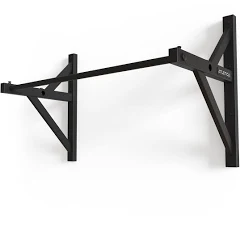
Start from a dead hang with arms fully extended: use a shoulder-width overhand (pronated) grip. Initiate by depressing and retracting the shoulder blades (scapular pull) before bending the arms
If Gate 1 is the bottleneck, chin-up grip (palms facing you) recruits more biceps and can help you build pulling volume faster while overhand pull-up strength catches up.
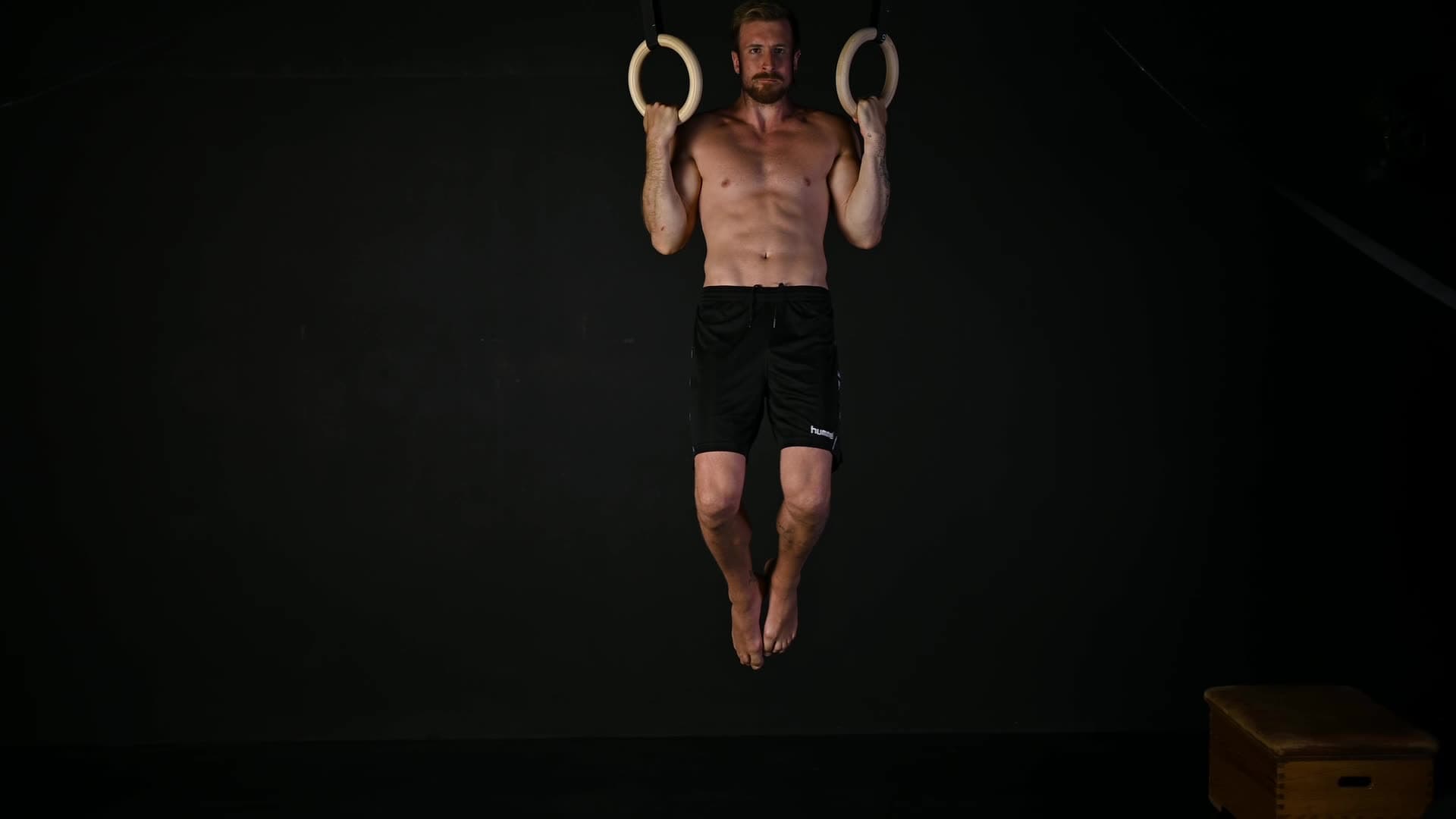
Chin Up Progressions
Use a shoulder-width underhand grip (palms facing you) on a bar. Engage your core and keep your body in a straight line
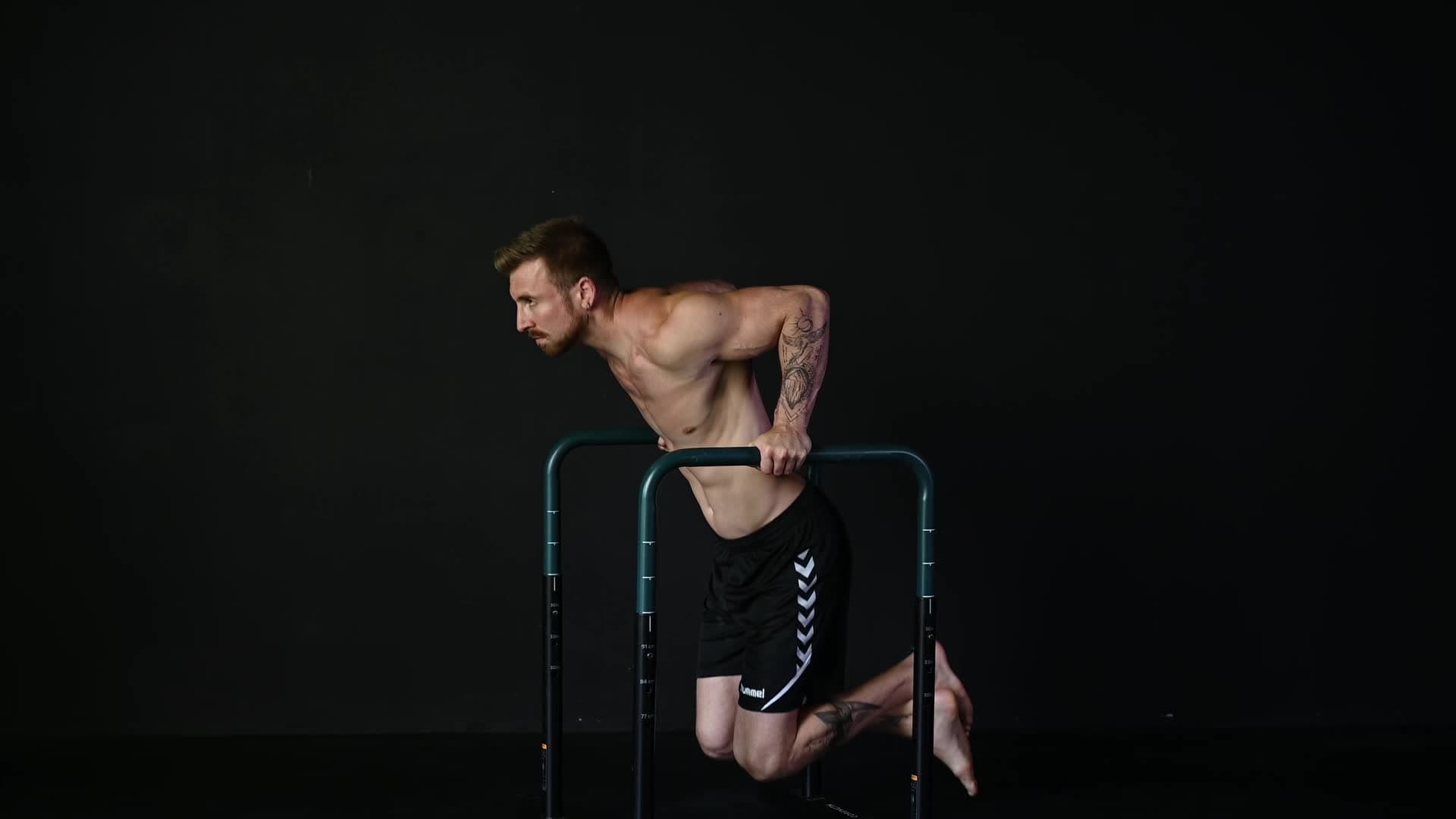
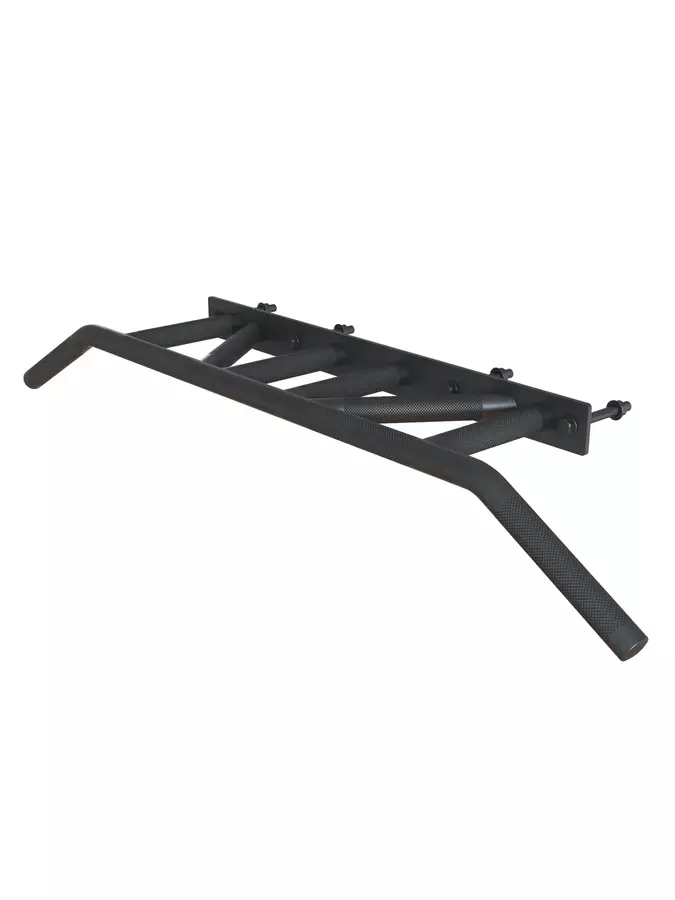
Dip Progressions
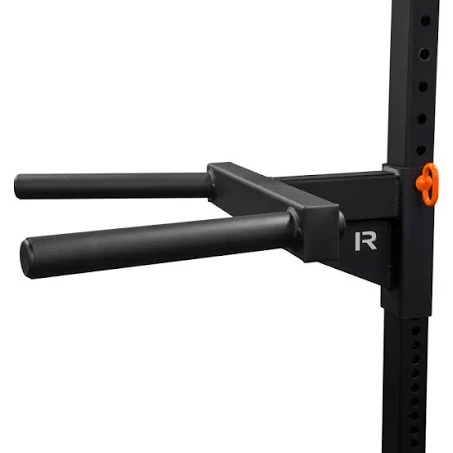
Move slowly with control. Get to 90° elbow angle or deeper, as long as you stay pain free
Phase 1. The Pull: Getting Your Chest (and More) to the Bar
The pull phase of the muscle up is not a pull-up. It needs to be dramatically more explosive, and the target height is the lower chest or even the waist, not the chin. If the bar is only clearing your chin, you will not have the height needed to lean forward into the transition.
The key mechanical addition over a standard pull-up is hip drive. At the bottom of the pull, initiate by driving the hips slightly forward and upward, not swinging, but a deliberate activation that engages the full posterior chain and adds vertical force to the pull. Think of pulling the bar down toward your waist rather than pulling your chin up toward the bar.
Two drills build this directly:
- Explosive pull-ups: From a dead hang, pull as high as possible. Aim for chest-to-bar or lower on every rep. Do not accept chin-height reps. The goal is maximum vertical displacement per pull, not maximum reps.
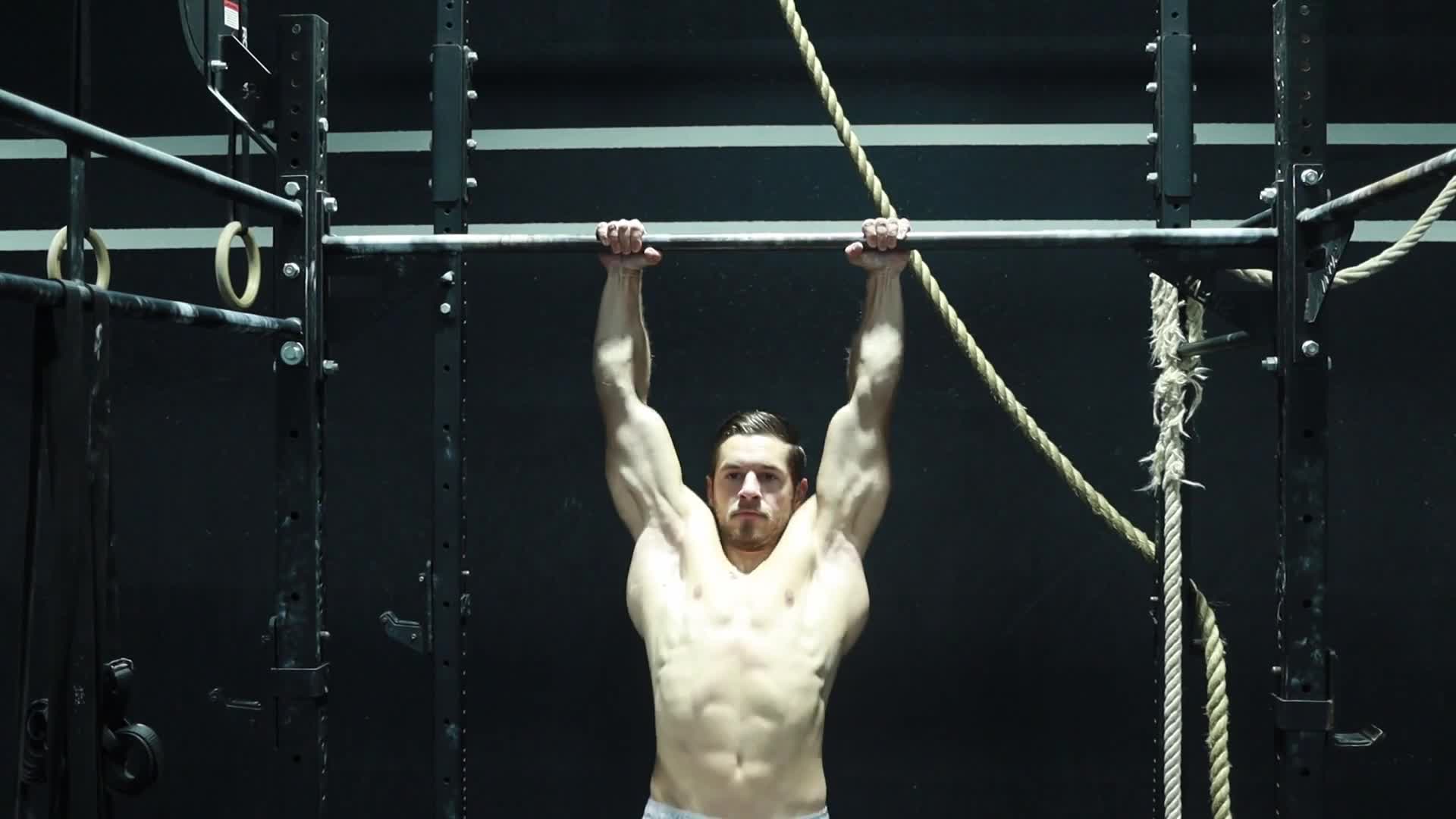
Explosive Pull Up Progressions
Most important is the pulling path for this exercise. When you want to pull the bar below your chest, you need to follow a C-shape pulling path.. Don't pull vertically straight up (except for the Upper-Chest-To-Bar Pull Ups Progression), you need to pull at a slight angle backward, so you can pull “around” the bar
- Muscle up momentum progressions: These drills train the hip drive and body positioning that translates raw pull-up strength into muscle up height. The momentum pattern is a specific skill: it does not develop automatically from pull-up training alone.
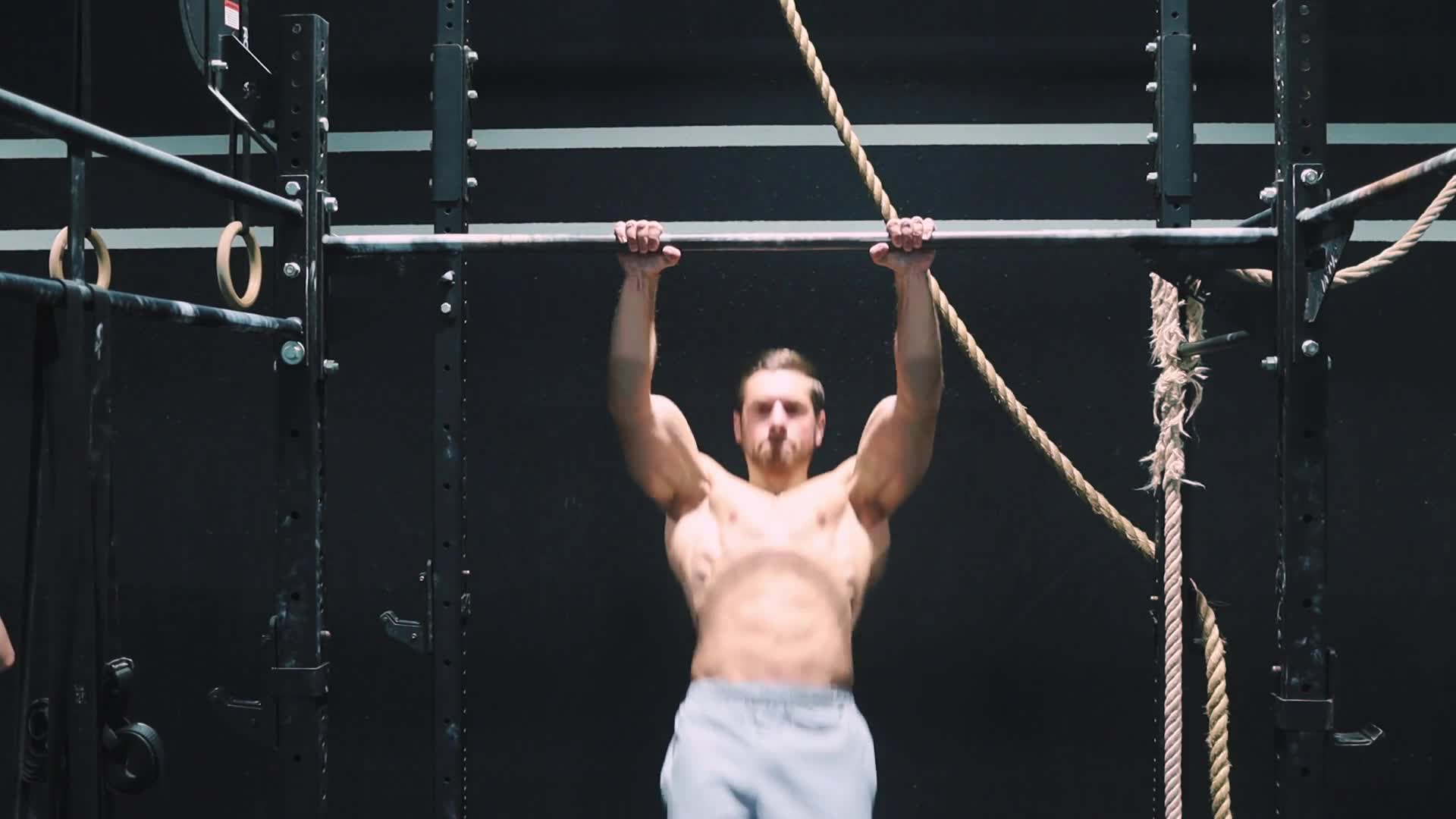
Muscle Up Momentum Progressions
This exercise teaches the core momentum pattern essential for the bar muscle up: the goal is to learn how to generate upward force from your lower body, not just your arms. Stand behind the bar and jump up so you start swinging forward: this forward swing sets up the backward momentum you will use
Train Phase 1 drills until you can consistently pull your lower chest to the bar with control before progressing to the transition.
Phase 2. The Transition: How to Get Over the Bar
The transition is where most people stall, and where most tutorial advice falls short. It is not a strength problem. It is two simultaneous technique problems that must be solved separately and then combined.
Sub-skill 1: The false grip. In a standard pull-up grip, the fingers wrap under the bar and the palm faces away. For the muscle up, you need a false grip: the heel of the hand (not the fingers) sits on top of the bar, with the wrist slightly forward. This positioning allows your wrist to rotate over the bar during the transition without losing contact. Without the false grip, the bar will roll out of your hand at the transition point and you will lose control every time. Make sure both wrists are in equal contact: asymmetrical false grip (one wrist higher than the other) is the most commonly overlooked cause of a one-sided, uncontrolled transition.
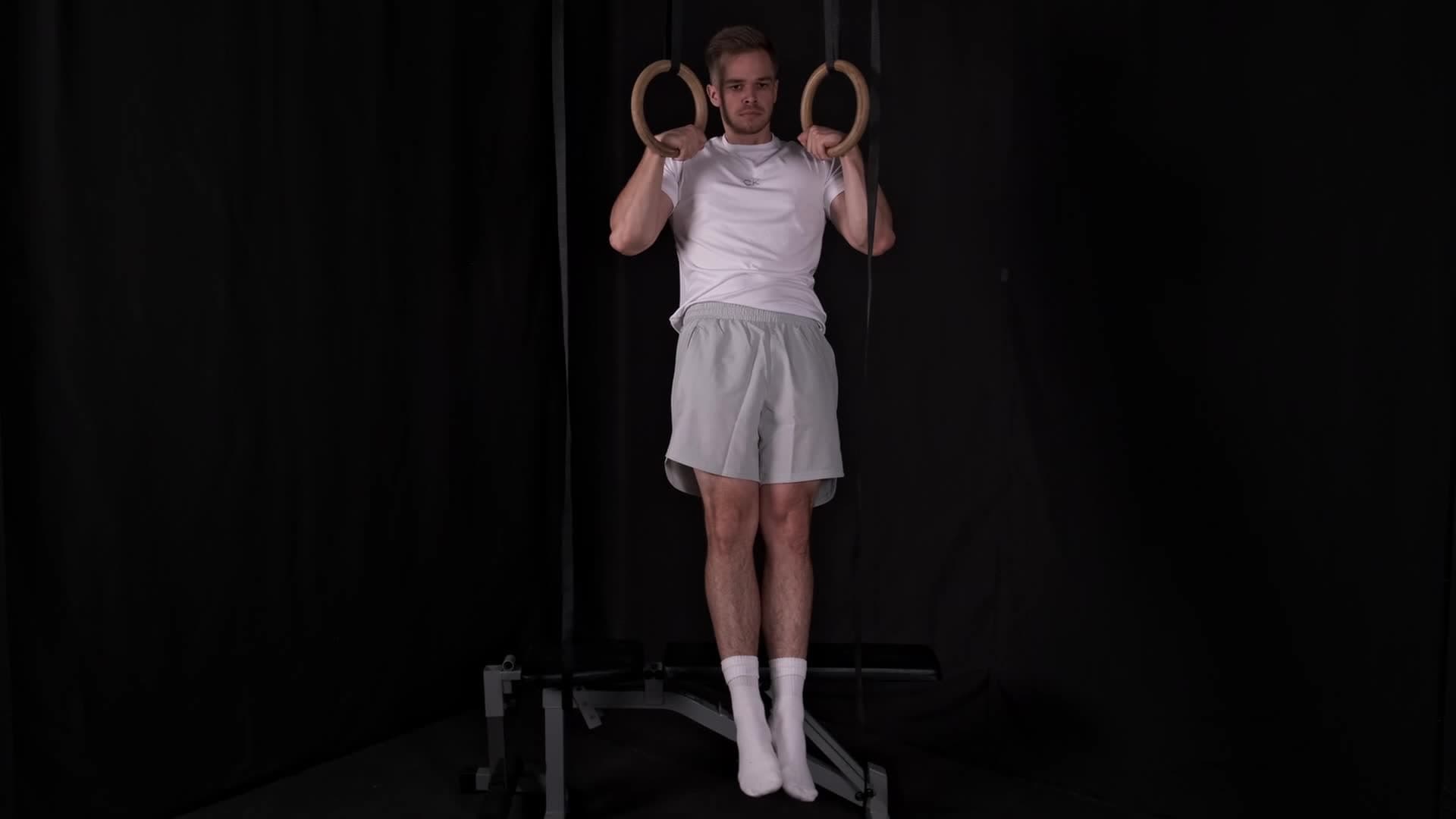
False Grip Conditioning Progressions
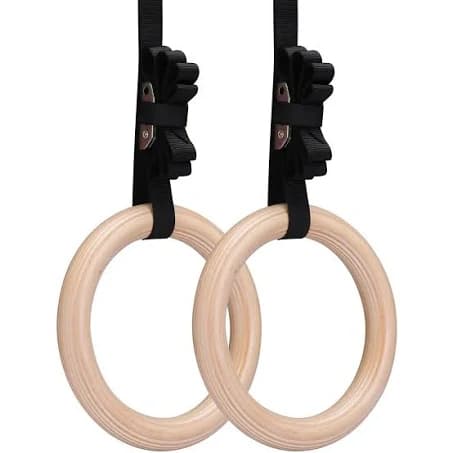
Place your wrist over the ring so the heel of your palm rests on top: the ring should sit in the crease where your wrist meets your forearm. Flex your wrist strongly and maintain this bent position throughout: this is the foundation of false grip
Sub-skill 2: The forward lean. At peak pull height (the exact moment your chest reaches the bar), you must aggressively lean the chest forward over the bar. This shifts your center of mass to the other side, and your bodyweight does the rest. The most common error here is hesitating: athletes reach peak height and wait, then drop without ever leaning. The lean must be committed and immediate.
Drill the transition in isolation before attempting full reps. Start in the bar support position (arms straight, body above the bar) and lower slowly through the transition back to dead hang. This negative teaches the body position and wrist rotation you need without requiring the full explosive pull.
Phase 3. The Push: Locking Out Above the Bar
Once the chest clears the bar, you are in the bottom position of a straight bar dip. The push phase drives from there to full lockout: arms completely straight, shoulders stacked over the hands. This is the point where Gate 2 pays off.
If you built your 10 dips, this phase should feel manageable. The bar dip at the top of a muscle up differs slightly from a standard dip because your body is more horizontal and your elbows are already partially extended coming out of the transition. The key cue is simple: keep the elbows tucked as you press. Flared elbows at this point dump force sideways and significantly increase elbow stress: a common cause of tendon irritation in athletes grinding for their first rep.
Press to complete lockout. A partial press counts as a failed rep: the rep ends with straight arms.
If the push phase is the weak link despite meeting the dip prerequisite, the issue is usually the specific bottom position of the bar dip, which requires greater shoulder flexibility than a standard parallel-bar dip. Increase the depth of your dip training until the bottom position is comfortable and controlled.
How to Structure Your Muscle Up Training Week
Train three days per week, with at least one rest day between sessions. The structure differs depending on which phase you are in.
Prerequisite phase (still building to Gate standards):
| Day | Focus | Key work |
|---|---|---|
| 1 | Pull strength | Pull Up Progressions, Chin Up Progressions |
| 2 | Push strength | Dip Progressions, support holds |
| 3 | Pull + height | Explosive Pull Ups, chest-to-bar attempts |
Muscle up training phase (all three gates passed):
| Day | Focus | Key work |
|---|---|---|
| 1 | Full attempts + pull | 2-3 max-effort muscle up attempts, Explosive Pull Ups |
| 2 | Transition drills | False Grip Conditioning, transition negatives |
| 3 | Full attempts + push | 2-3 max-effort attempts, Dip Progressions |
Always make your muscle up attempts at the start of the session, when you are fully fresh. Two to three genuine max-effort sets is enough: grinding ten failed attempts while fatigued teaches nothing useful and accelerates overuse injury. The rest of the session goes to phase-specific drills.
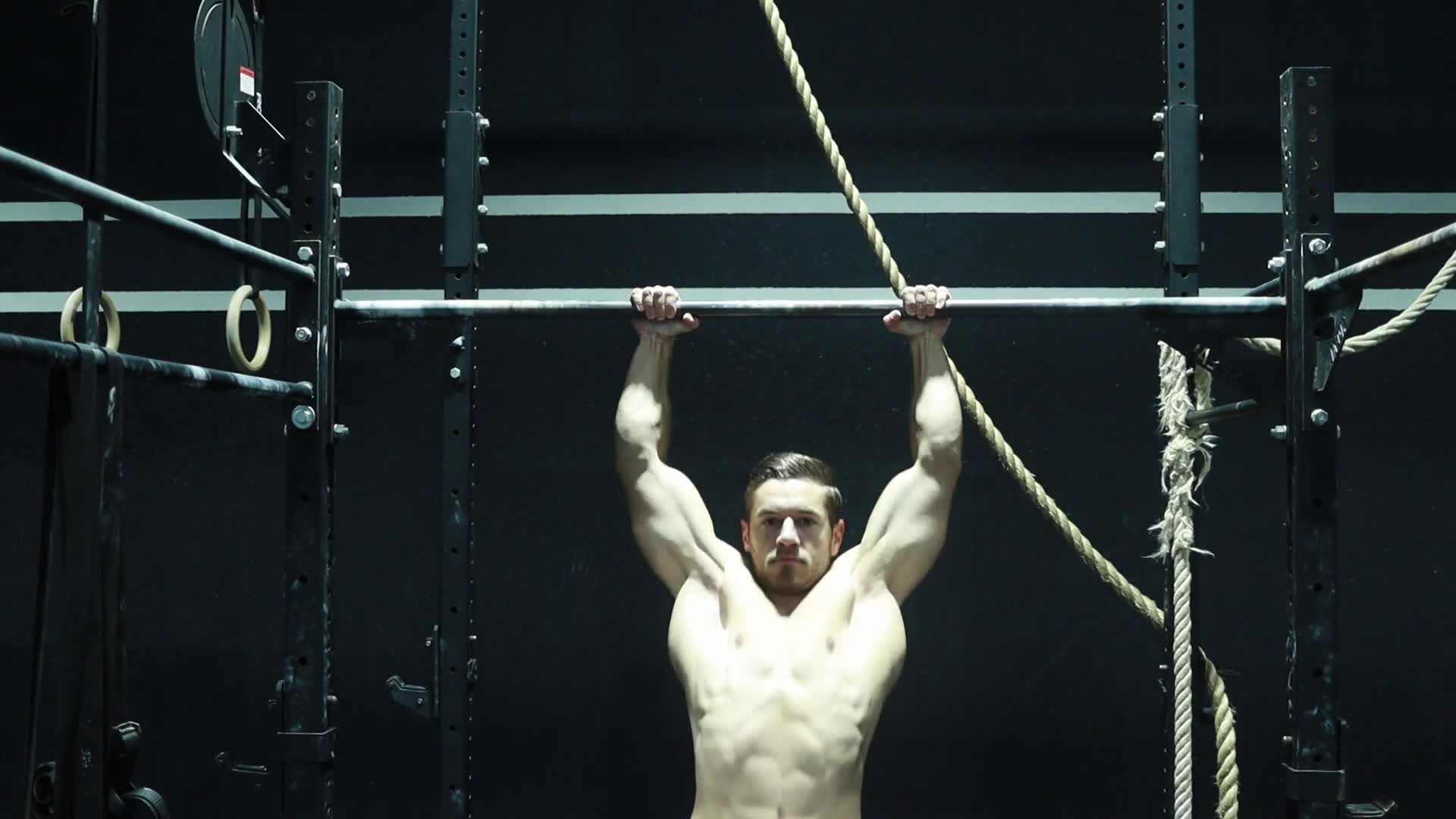
Muscle Up Progressions
Start by standing behind the bar. Jump to the bar such that you swing forward, into a slightly arched back position
Rather than programming this manually, the Simple Calisthenics app builds an adaptive muscle up skill tree around your current level: tracking which gates you've passed and what to train next, so you're never guessing.
Common Mistakes That Keep You Stuck (and How to Fix Them)
Most muscle up plateaus come down to five specific errors. Identify the one that describes your situation and go back to the relevant phase drill.
-
Skipping the prerequisites. Attempting muscle ups without 10 clean pull-ups produces one outcome: failed transitions and wasted sessions. Spend the extra weeks building the foundation: it will save months of stalled attempts later.
-
Using a regular grip. Without the false grip, the bar rolls to your fingertips at the transition and you lose mechanical advantage instantly. Practice false grip dead hangs and conditioning before your next attempt session. The grip change alone unlocks transitions for many athletes who have been stuck for weeks.
-
Asymmetrical false grip. Both wrists must be in equal contact with the bar: same depth, same angle. An asymmetrical grip produces a one-sided transition where one arm leads and the other gets dragged over. Film yourself from the front to check grip symmetry.
-
Not leaning forward at peak height. Reaching maximum pull height and then dropping without leaning is the single most common cause of failed transitions. The lean must happen at the exact top of the pull. If timing is the issue, drill transition negatives until the forward weight shift becomes automatic.
-
Flaring elbows in the push phase. Tucked elbows produce a clean, powerful press. Flared elbows reduce triceps and chest activation, increase elbow stress, and produce wobbly reps. Reinforce the cue during every dip set so it is automatic when you reach the top of the muscle up.
Bar Muscle Up vs Ring Muscle Up: Which Should You Learn First?
For most athletes, the bar muscle up comes first. The fixed bar gives clear technique feedback: you know immediately whether your height, grip, and lean are correct because the bar does not move. Technique errors are visible and correctable.
The ring muscle up allows the rings to rotate during the transition, which can feel more natural on the wrists. However, ring instability means your shoulders and scapular stabilizers must work significantly harder throughout the full rep. This makes rings a more demanding environment for learning the movement pattern from scratch.
Learn bar first, then transfer to rings. The pulling mechanics, false grip, and transition lean are identical: the main addition on rings is learning to turn the rings out at the top of the push phase (rings turned out, or RTO, gives a stable lockout position). Expect a short adjustment period, not a full relearning process.
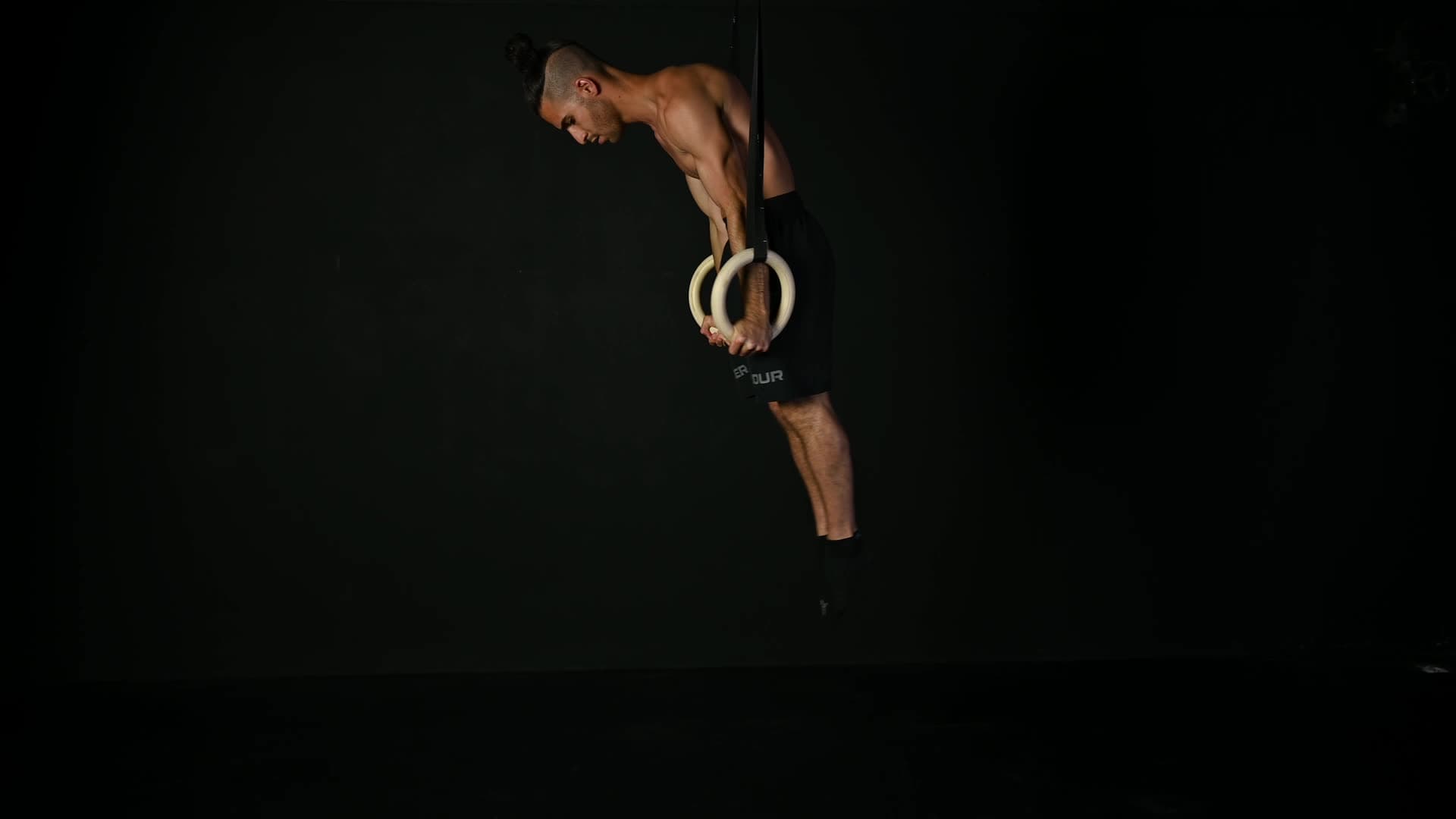
Ring Muscle Up Progressions
Start from a dead hang in false grip: wrists hooked over the rings with the heel of the palm pressing into the ring. Initiate the pull by depressing the shoulder blades and pulling the elbows down and back close to the body
Once you have your first bar rep, Ring Muscle Up Progressions are the natural next step.
Frequently asked questions
How many pull-ups do I need before attempting a muscle up?
Most coaches recommend a minimum of 10 strict dead-hang pull-ups before beginning muscle up training. More important than the number is quality: each rep should start from a full dead-hang with no swinging. If you can also do 3 chest-to-bar pull-ups, your pulling base is ready.
How long does it take to get your first muscle up?
With 10+ strict pull-ups and consistent dip strength, most people achieve their first muscle up in 4-12 weeks of dedicated phase-specific training. Starting from scratch with fewer than 5 pull-ups, expect 6-18 months. The biggest variable is how well you train the transition, not raw pulling strength alone.
Do I need a false grip for a bar muscle up?
For a strict bar muscle up, yes. The false grip (where the heel of the hand sits on top of the bar) allows the wrist to rotate over the bar during the transition without losing control. Without it, the transition becomes a fight against gravity. Kipping muscle ups can bypass this, but they are a different skill.
What muscles does a muscle up work?
The muscle up trains the lats, biceps, and rear delts in the pull phase, and the chest, triceps, and anterior delts in the push phase. The serratus anterior and core work throughout the full rep. It is one of the few bodyweight movements that trains both the pulling and pushing planes in a single movement.
Is the muscle up dangerous?
Not inherently, but it is high-risk when attempted without the prerequisite strength. The transition phase loads the wrist and elbow in an unusual position. Building the false grip gradually, meeting all strength gates first, and avoiding max attempts when fatigued significantly reduces injury risk.
Build your muscle up with a structured skill tree that adapts to your level: track every phase from prerequisites to your first clean rep in the Simple Calisthenics app.
Start free trialFAQ
- How many pull-ups do I need before attempting a muscle up?
- Most coaches recommend a minimum of 10 strict dead-hang pull-ups before beginning muscle up training. More important than the number is quality: each rep should start from a full dead-hang with no swinging. If you can also do 3 chest-to-bar pull-ups, your pulling base is ready.
- How long does it take to get your first muscle up?
- With 10+ strict pull-ups and consistent dip strength, most people achieve their first muscle up in 4-12 weeks of dedicated phase-specific training. Starting from scratch with fewer than 5 pull-ups, expect 6-18 months. The biggest variable is how well you train the transition, not raw pulling strength alone.
- Do I need a false grip for a bar muscle up?
- For a strict bar muscle up, yes. The false grip (where the heel of the hand sits on top of the bar) allows the wrist to rotate over the bar during the transition without losing control. Without it, the transition becomes a fight against gravity. Kipping muscle ups can bypass this, but they are a different skill.
- What muscles does a muscle up work?
- The muscle up trains the lats, biceps, and rear delts in the pull phase, and the chest, triceps, and anterior delts in the push phase. The serratus anterior and core work throughout the full rep. It is one of the few bodyweight movements that trains both the pulling and pushing planes in a single movement.
- Is the muscle up dangerous?
- Not inherently, but it is high-risk when attempted without the prerequisite strength. The transition phase loads the wrist and elbow in an unusual position. Building the false grip gradually, meeting all strength gates first, and avoiding max attempts when fatigued significantly reduces injury risk.