Best MadMuscles Alternative for Real Calisthenics (2026)
MadMuscles is a general weight-loss app, not a calisthenics program. Here's the best specialist alternative for real strength and skills.
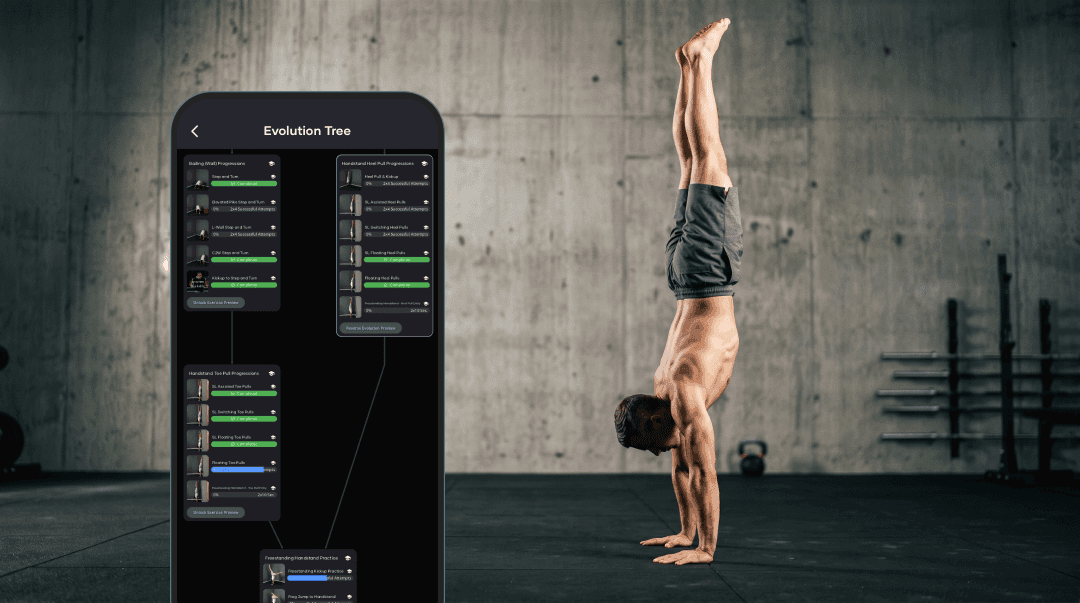
MadMuscles is a personalized weight-loss and general-fitness app, and it does that job well. If you signed up expecting to build real bodyweight strength and learn skills like the handstand or muscle-up, though, you've probably noticed it isn't a calisthenics program.
This guide credits MadMuscles for what it does well, then makes the case for a specialist alternative built specifically for bodyweight strength and skills.
What MadMuscles actually is (and what it's good at)
MadMuscles is a quiz-based personalized fitness app oriented toward weight loss, and for that purpose it's genuinely convenient. You answer a short questionnaire about your body, goals, and habits, and it assembles a plan from a library of short, guided sessions.
The catalog is broad. MadMuscles offers 10+ program types (strength, HIIT, yoga, and walking among them) in short 15-30 minute sessions that are easy to fit into a busy day. It also bundles diet and meal plans, so you get workouts and nutrition guidance in one place.
That all-in-one design is the appeal. For a beginner who wants quick guided workouts and a meal plan without assembling anything themselves, it lowers the barrier to starting. Pricing is quiz-based and varies by offer, commonly cited around $19.99 per month or $59.99 per year with introductory rates.
The honest takeaway is one of fit, not fault. MadMuscles is a capable generalist pointed at weight loss and general fitness. The question is whether that's what you actually want, and if your goal is real calisthenics, it probably isn't.
Is MadMuscles built for calisthenics?
No, MadMuscles isn't built for calisthenics, even though some of its sessions use bodyweight movements. The personalization is a quiz that selects from generic short workouts and diet templates. There's no skill-tree, no prerequisite-mapped progression, and no progressive-overload curve tied to your performance.
Real calisthenics depends on deliberate progression toward specific positions. Getting your first muscle-up means working through false-grip rows, explosive pull-ups, and transition drills in the right order. A quiz-selected template that swaps in a generic "upper body" session can't deliver that sequence.
| Attribute | General weight-loss app | Specialist calisthenics program |
|---|---|---|
| Primary goal | Calorie burn, weight loss | Bodyweight strength and skills |
| Personalization model | Quiz selects generic sessions | Plan adapts to level, equipment, schedule |
| Progression system | None mapped to skills | Skill trees with prerequisites |
| Strength/skill outcome | General fitness | Handstand, muscle-up, planche, and more |
The pattern is clear. MadMuscles is built for general fitness and calorie burn, not skill acquisition or maximal strength. If you want to learn something specific with your body, the underlying program design simply isn't pointed in that direction.
Where MadMuscles falls short for calisthenics
For a calisthenics-minded trainee, MadMuscles has specific gaps. These aren't flaws in the product overall: they're mismatches between a weight-loss generalist and the goal of building real bodyweight skill. The shortcomings cluster around four areas:
- No skill progressions. There are no structured paths toward the handstand, muscle-up, planche, or front lever: the positions that define calisthenics.
- Short, generic sessions instead of a periodized program. Workouts run 15-30 minutes and rotate through general movements rather than building strength in deliberate hypertrophy, strength, and deload blocks.
- A weight-loss and diet orientation. Even when strength or skills are your goal, the app keeps steering toward calorie burn and meal plans.
- No progressive-overload guidance. There's no system tracking your logged performance and telling you when to add reps, load, or difficulty: the core mechanism behind real strength gains.
None of this makes MadMuscles a bad app. It makes it the wrong tool for one specific job: taking you from your first pull-up to advanced bodyweight skills.
What to look for in a real calisthenics app
A real calisthenics app is built around progression, not calorie burn. When you're shopping for a MadMuscles alternative, judge candidates against a specialist checklist rather than a general-fitness one. Five things matter most:
- Check for structured skill progressions with prerequisites. The app should map a clear path (like a pull-up progression feeding into a muscle-up progression) so each step prepares you for the next.
- Demand genuine personalization to your level, equipment, and schedule. A real plan adapts to what you can do and what you have, not a one-size quiz output.
- Require periodized strength and hypertrophy, not endless short circuits aimed at burning calories.
- Insist on progressive-overload guidance tied to your logged performance, so the program knows when to advance you.
- Favor clear, simple pricing you can understand at a glance.
A specialist app shows you the actual progression trees you'll climb. The pull-up path builds the pulling base for nearly everything else.
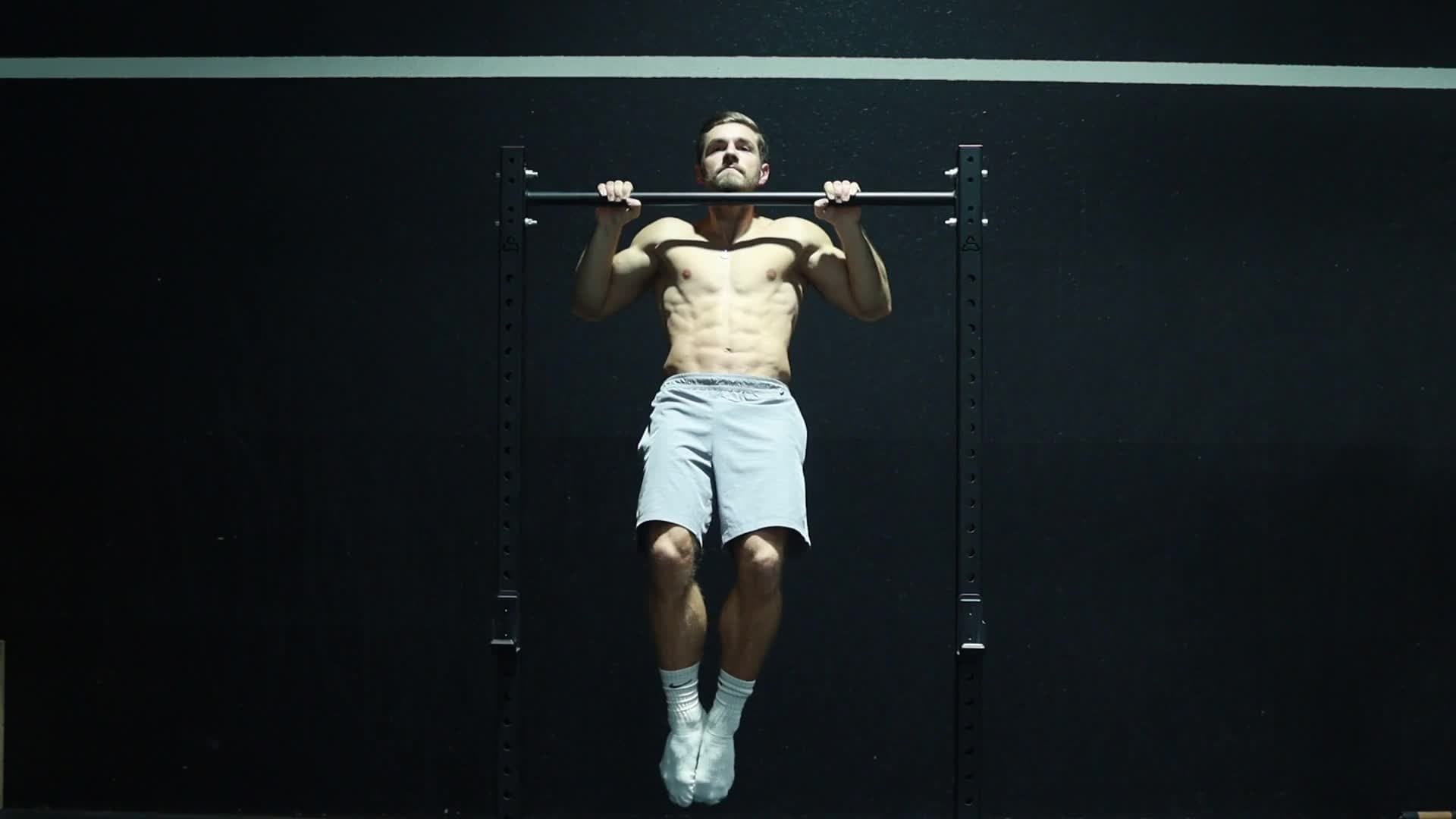
Pull Up Progressions
Start from a dead hang with arms fully extended: use a shoulder-width overhand (pronated) grip. Initiate by depressing and retracting the shoulder blades (scapular pull) before bending the arms
From there, an explosive transition unlocks the muscle-up: the milestone most calisthenics beginners are chasing.
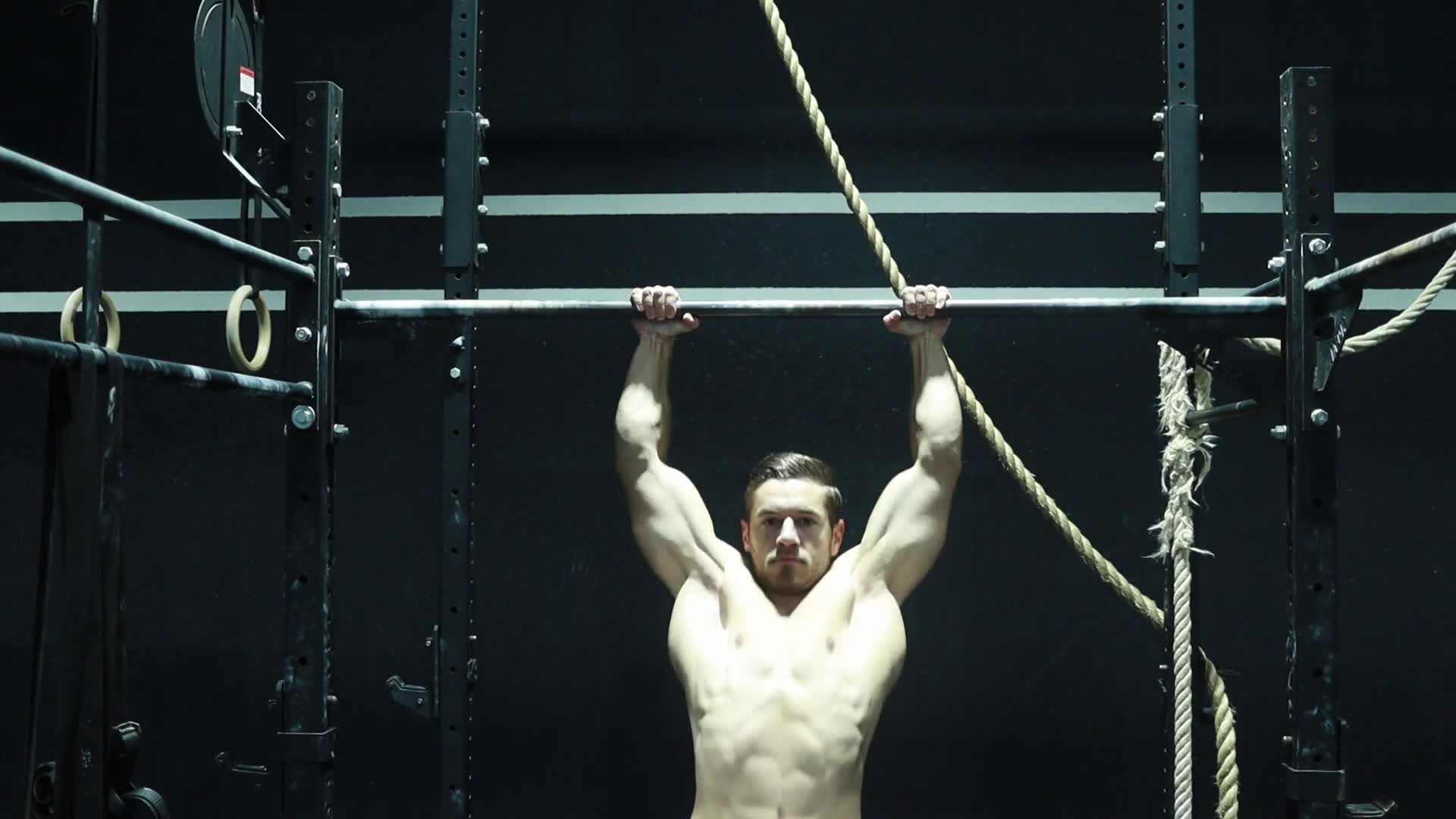
Muscle Up Progressions
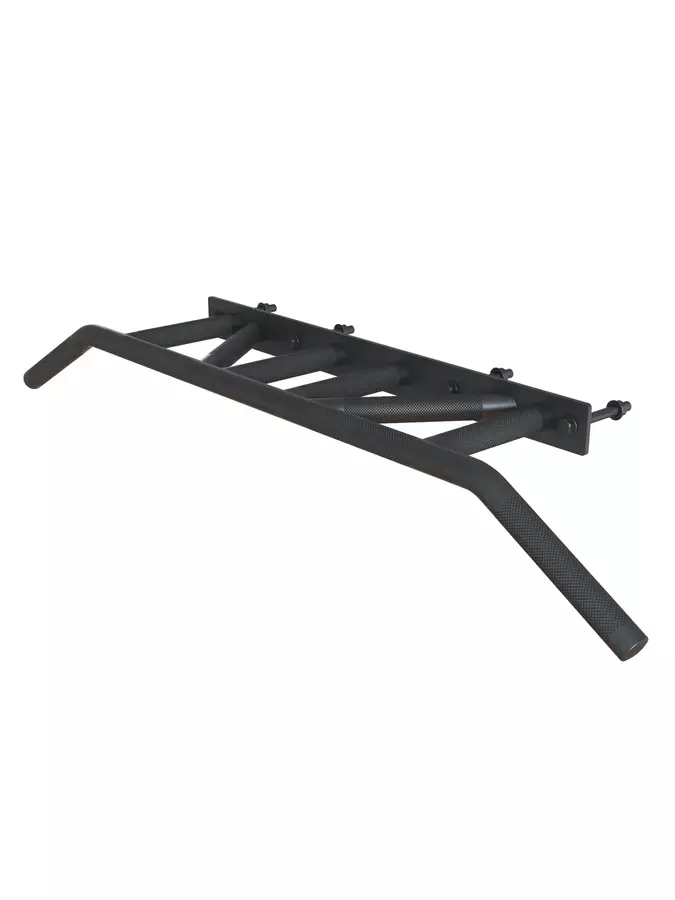
Start by standing behind the bar. Jump to the bar such that you swing forward, into a slightly arched back position
And the handstand develops on its own dedicated track, from wall work to a clean freestanding hold.
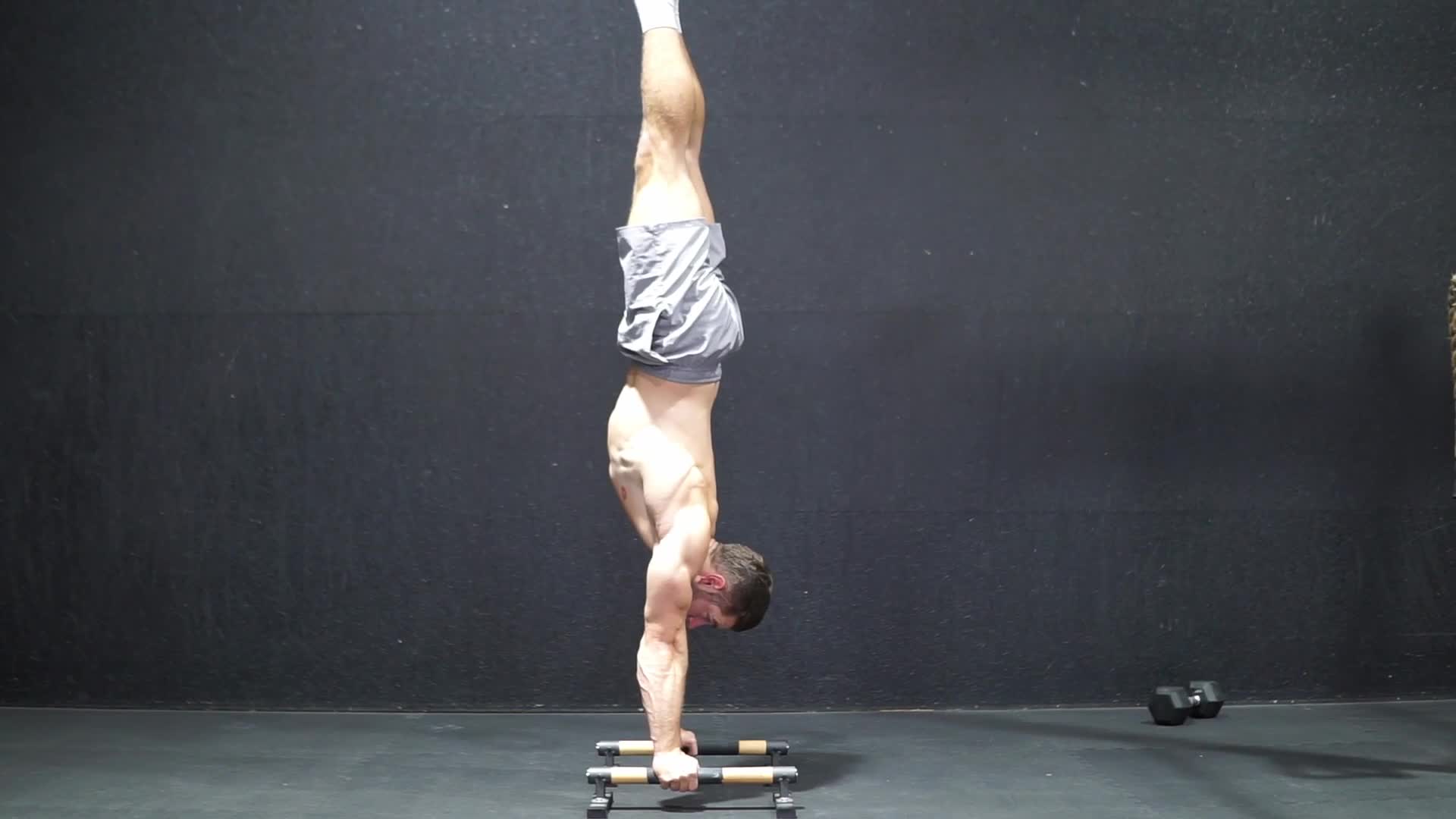
Freestanding Handstand Practice
Start near a wall to build confidence and technique. Place your hands shoulder-width apart on the floor, fingers spread
The best MadMuscles alternative: Simple Calisthenics
Simple Calisthenics is the best MadMuscles alternative for real calisthenics because it's a specialist program that maps point-by-point to the checklist above. It's genuinely individualized for bodyweight strength and skills, not a weight-loss app with some bodyweight moves mixed in.
Setup is a 4-step process (goals, equipment, level, and schedule) that produces a day-by-day plan and adapts as you progress. The plan is goal-driven, not weight-loss-driven: there's no calorie-logging or weigh-in pressure unless that's genuinely your aim.
Here's how its features map to what a calisthenics trainee actually needs:
- Skill-tree progressions for the muscle-up, handstand, planche, front lever, L-sit, and pistol squat that start at your level and auto-advance as you get stronger.
- Periodized hypertrophy, strength, and deload blocks that build real strength instead of generic circuits.
- A Progressive Overload Assistant that uses your logged performance to tell you when to add reps, load, or difficulty.
- Dedicated mobility work through programs like the dedicated mobility work Jefferson curl, plus a 1,000+ exercise library with video, visual rep tracking, and Apple Watch support.
The skill trees are the core difference. You can browse the full exercise library and see the exact progressions for advanced positions. The handstand push-up builds vertical pressing strength.
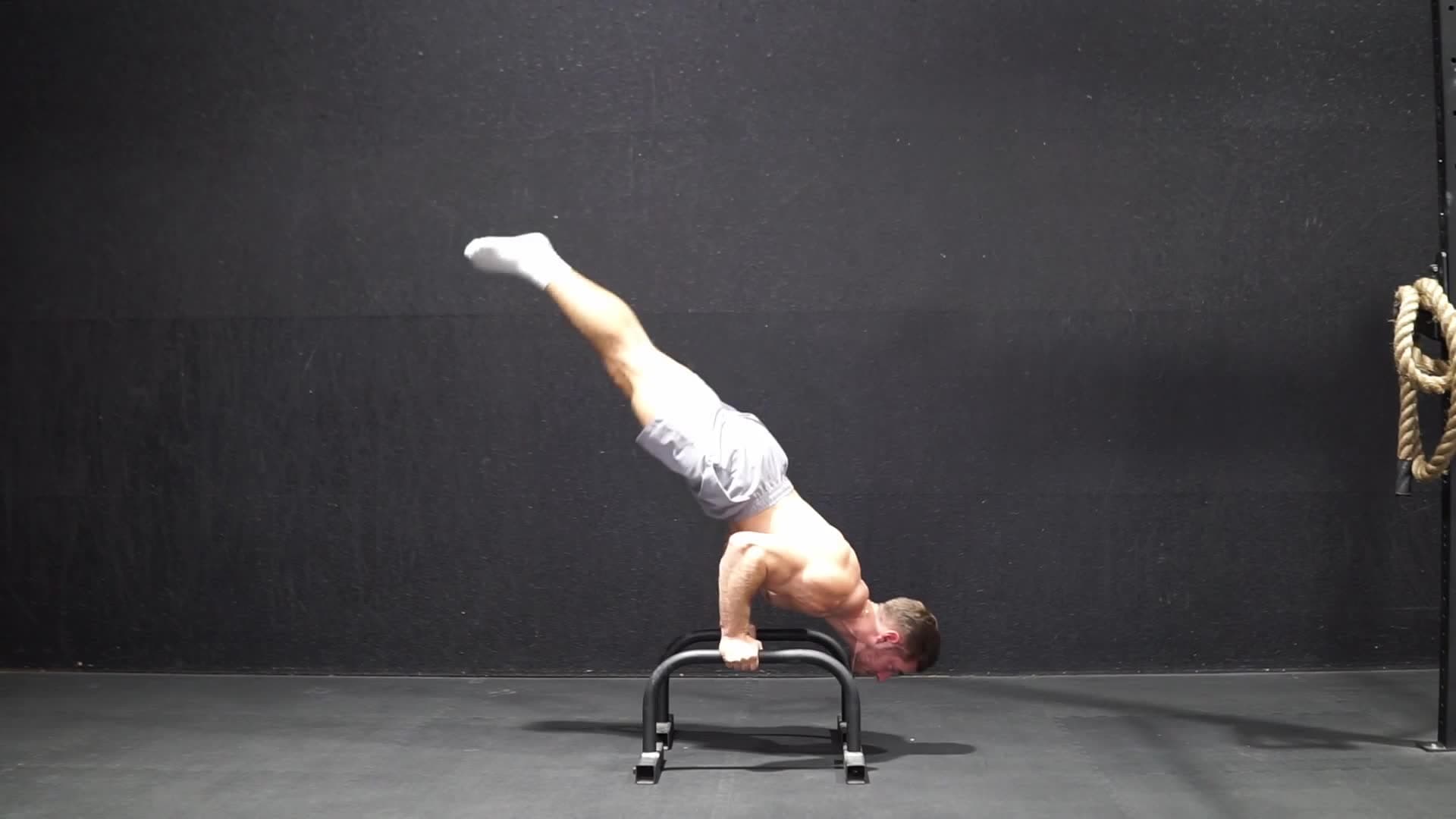
Handstand Push Up Progressions
Keep the core tight and glutes + abs engaged. Lean the shoulders forward as you descend, keeping hips stacked over wrists
The planche develops straight-arm pushing power on its own structured track.
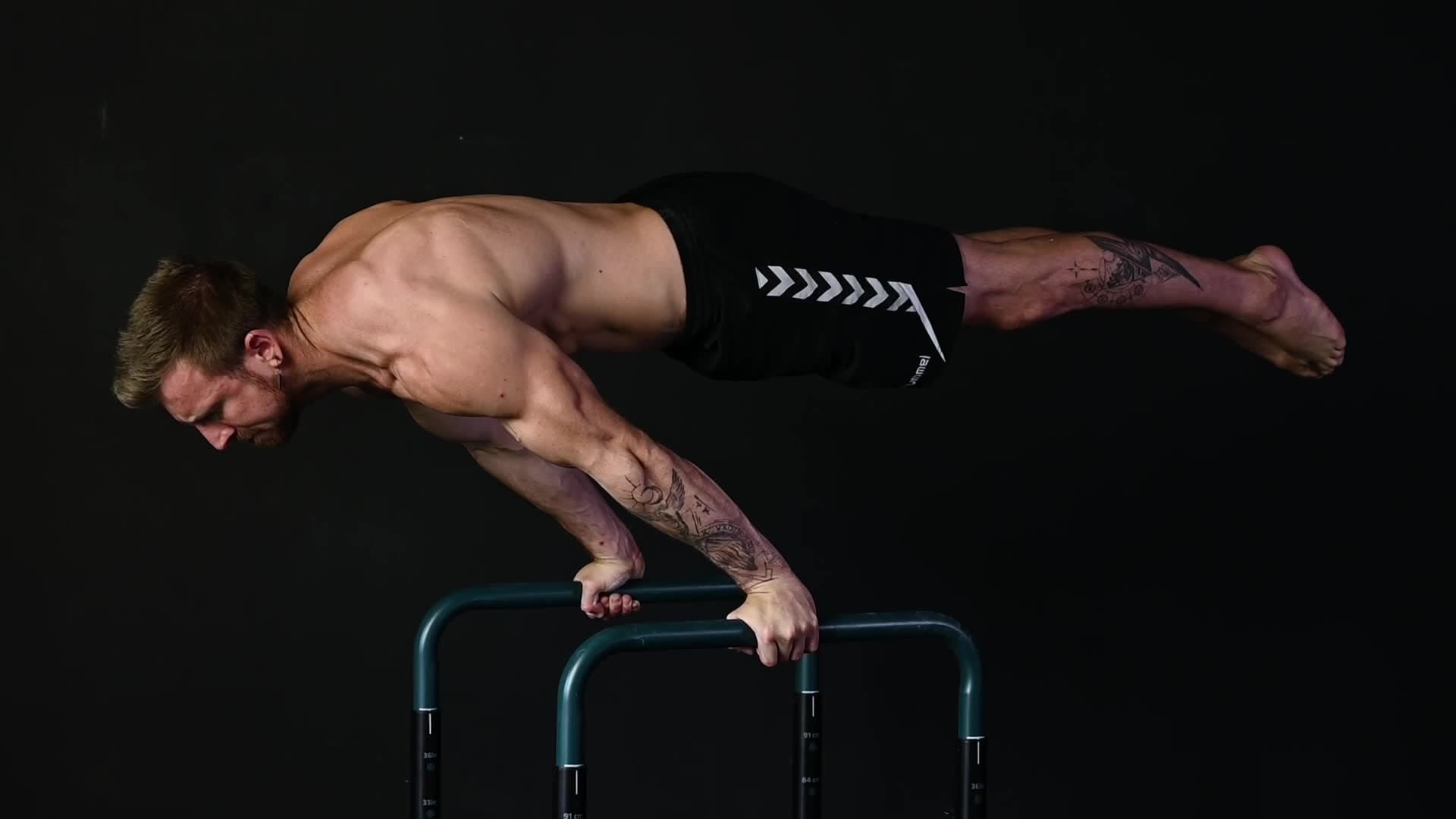
Planche Progressions
Place hands shoulder-width apart, fingers turned outward ~45° for wrist comfort (or use parallettes). Lock elbows fully and turn them forward: this stabilizes the shoulders and engages the biceps
The front lever builds the pulling and core tension that defines high-level calisthenics.
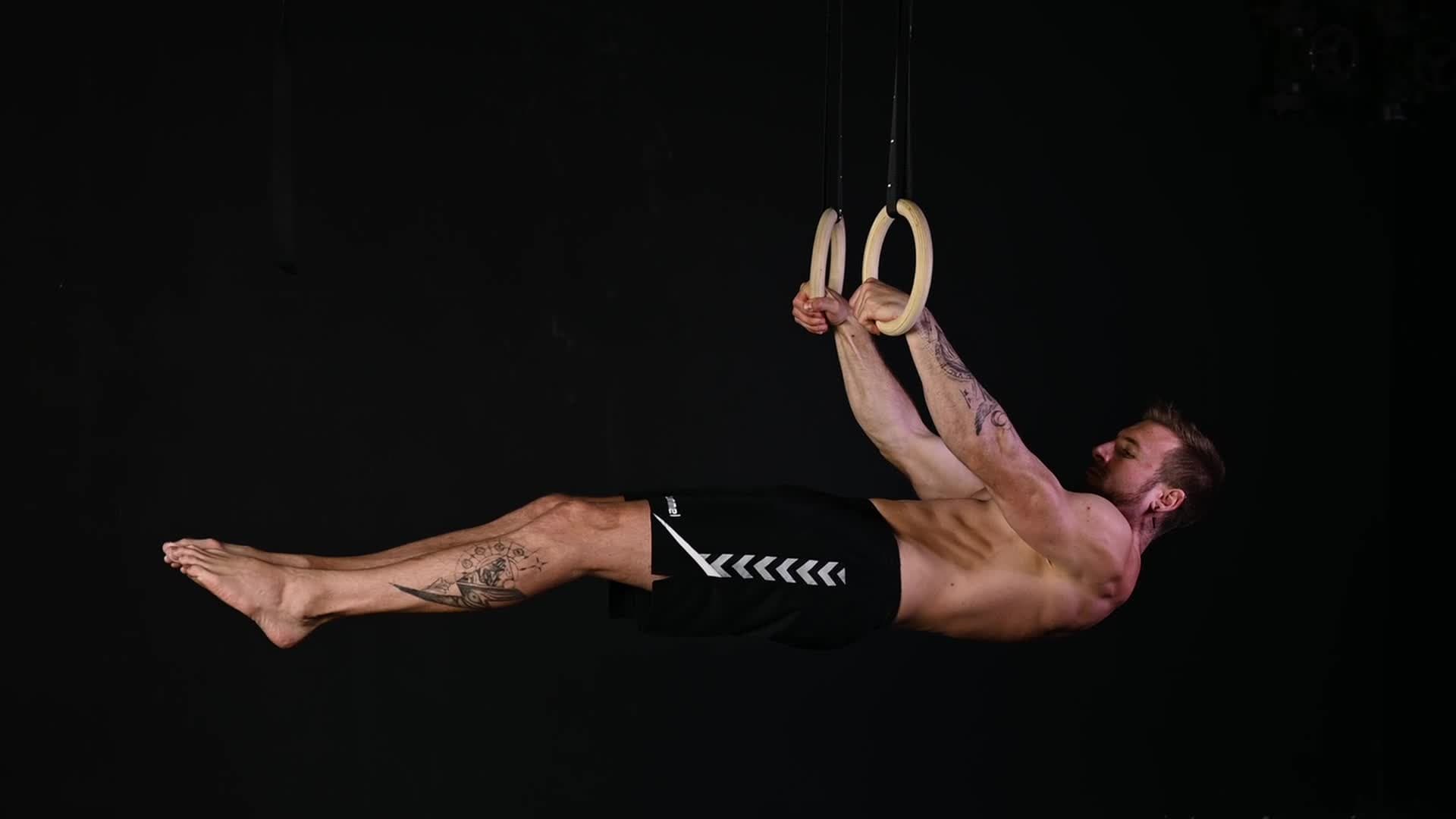
Front Lever Progressions
Actively depress your shoulder blades by pulling them down away from your ears; this is the foundation of a strong front lever position. Retract your shoulder blades by squeezing them together as if pinching a coin between them; combine depression and retraction for a stable shoulder base
The L-sit develops compression strength and is an early skill milestone most trainees can reach.
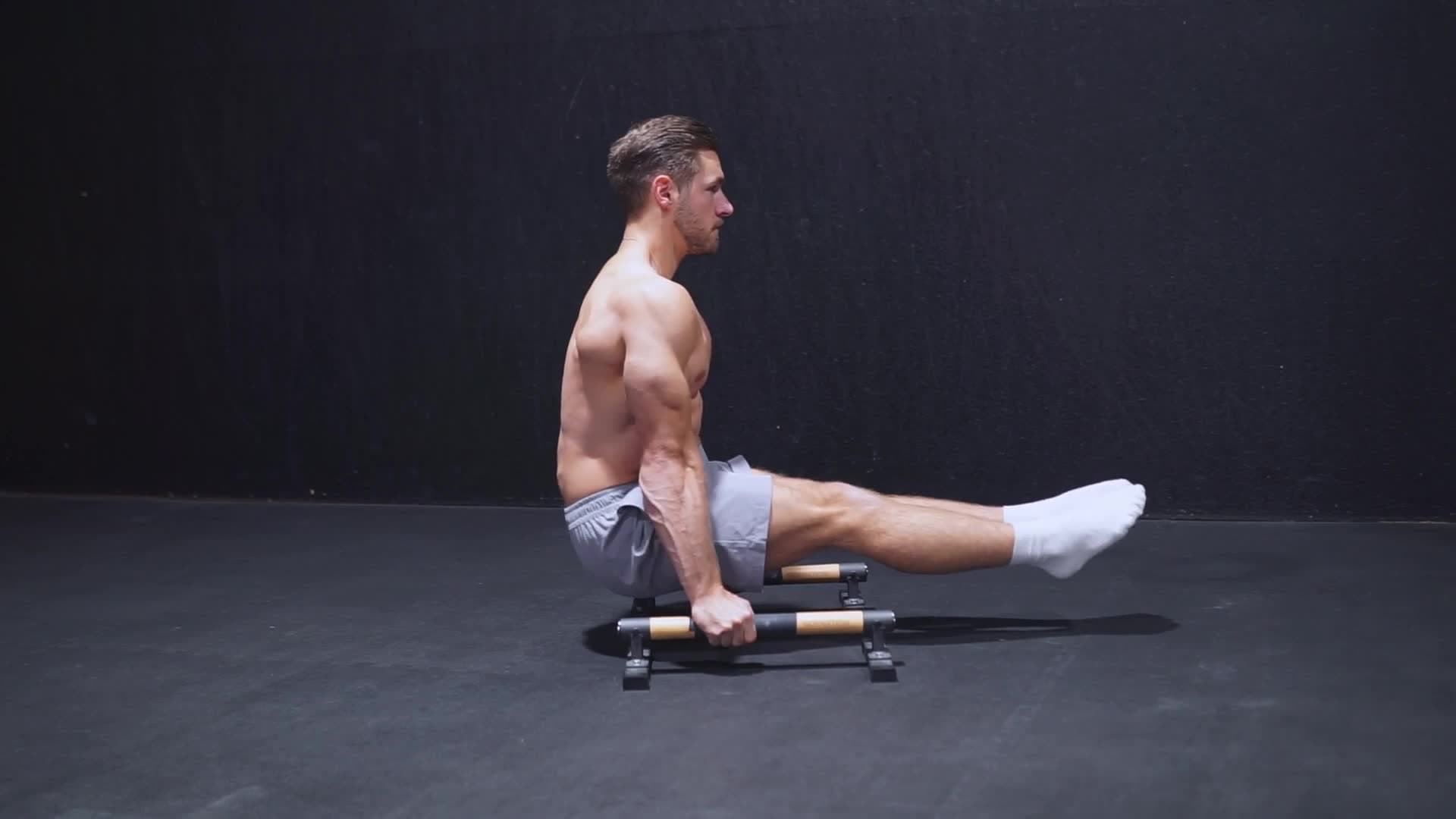
L-Sit Progressions
Place your hands on the floor or parallettes beside your hips: fingers pointing forward, arms completely straight with elbows locked out. Actively depress your shoulder blades by pushing your shoulders down toward the ground: this creates the clearance needed to lift your legs
The pistol squat brings the same progression logic to single-leg lower-body strength.
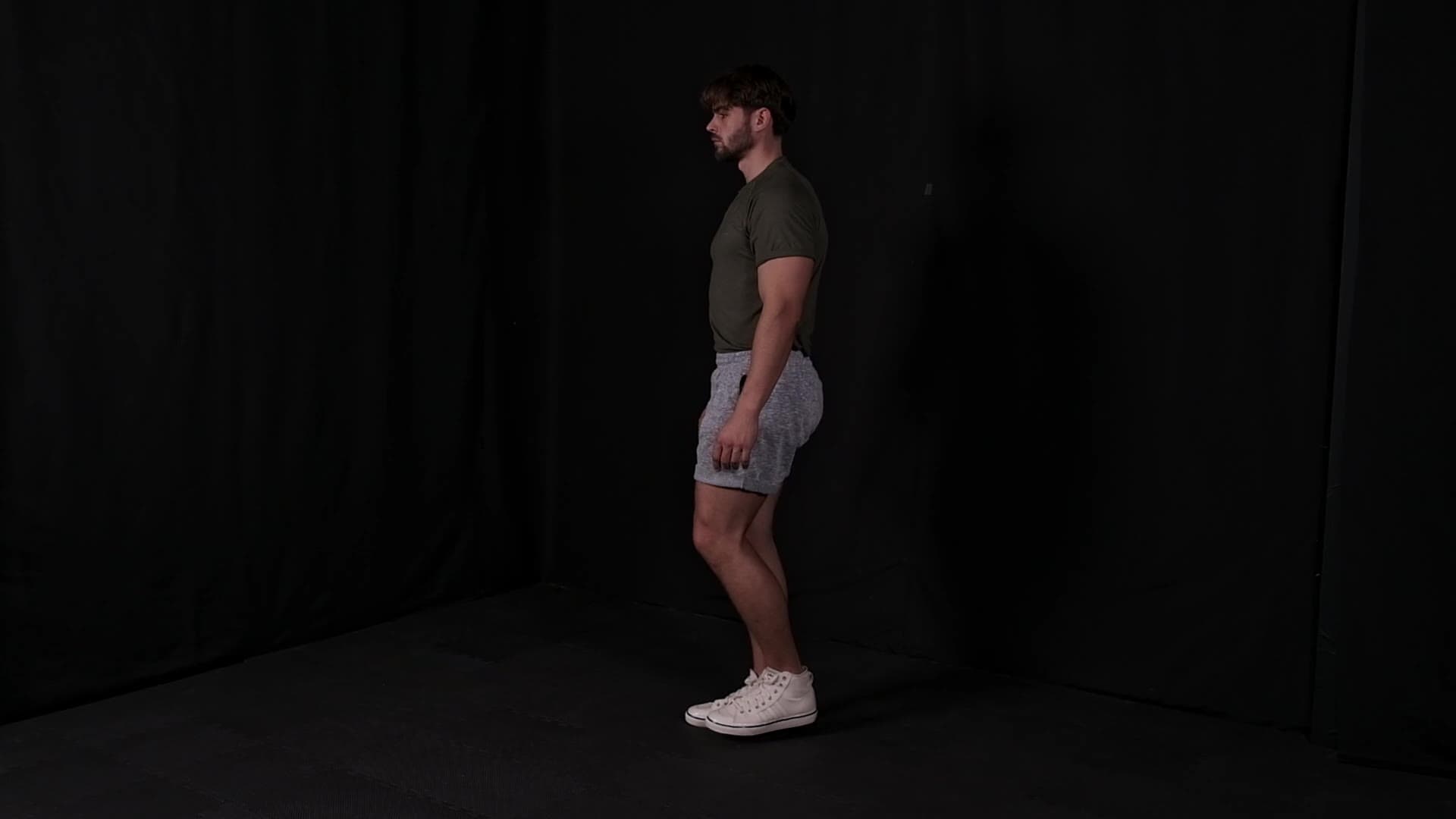
Pistol Squat Progressions
Stand on one leg with feet hip-width apart: lift the other leg and extend it straight forward in front of you. Extend your arms forward for counterbalance: this is crucial for staying upright
And mobility gets its own dedicated track rather than being an afterthought.
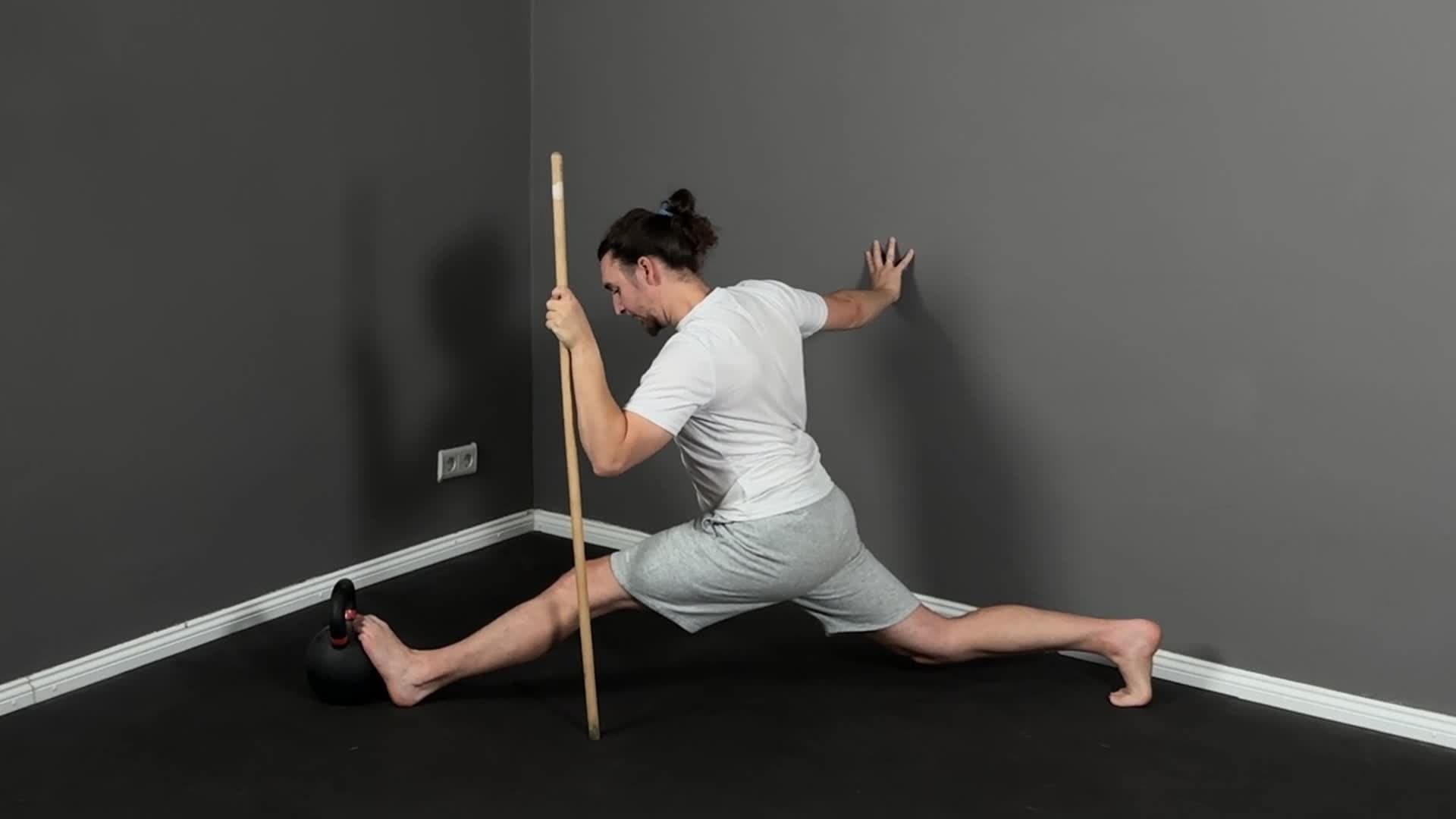
Front Split Progressions
Start with a low lunge and slowly slide your front leg forward. Keep your hips squared and facing forward
Pricing is straightforward ($9.99 per month, $69.99 per year, or $179.99 lifetime) with a 7-day free trial, cancel anytime, and a 14-day money-back guarantee.
MadMuscles vs Simple Calisthenics: side-by-side
The fastest way to decide is a direct comparison. The two apps aim at different goals, so the differences are clear once you line them up by focus, skills, strength, personalization, and price.
| Feature | MadMuscles | Simple Calisthenics |
|---|---|---|
| Focus | General weight loss and fitness | Specialist calisthenics |
| Skills (handstand, muscle-up) | No dedicated progressions | Skill trees with prerequisites |
| Strength / hypertrophy | Short generic sessions | Periodized strength and hypertrophy |
| Personalization | Quiz selects generic sessions | 4-step plan that adapts to you |
| Weight-loss orientation | Central focus | Optional, not required |
| Price | Quiz-based, ~$19.99/mo or $59.99/yr | $9.99/mo · $69.99/yr · $179.99 lifetime, 7-day trial |
The headline is focus. MadMuscles is a general weight-loss and fitness app, while Simple Calisthenics is a specialist program. If calisthenics is the goal, the specialist option matches it directly, and at a lower entry price.
Who should switch, and who should stay
Not everyone should switch, and being honest about that matters more than a hard sell.
Stay on MadMuscles if you mainly want short, guided weight-loss workouts and a diet plan bundled in one app. If general fitness and dropping weight are your goals, and you like having nutrition handled alongside training, it's a reasonable fit and there's no strong reason to leave.
Switch to Simple Calisthenics if you want to build real bodyweight strength, learn skills like the handstand and muscle-up, and follow a personalized calisthenics program that progresses with you. If you keep wishing your app would actually teach you a skill and add difficulty as you improve, that's exactly what a specialist program is built to do.
Frequently asked questions
What is the best alternative to MadMuscles?
For real calisthenics, the best alternative is Simple Calisthenics. MadMuscles is a quiz-based weight-loss and fitness app that bundles generic workouts and diet plans, while Simple Calisthenics is a specialist program that builds genuine strength and teaches skills through structured skill-tree progressions, with a 7-day free trial.
Is MadMuscles good for building strength and calisthenics?
Only modestly. MadMuscles offers short, generic sessions selected by a quiz, with no skill-tree, no prerequisite-mapped progressions, and no progressive-overload curve. For real strength and skills like the handstand or muscle-up, a specialist app such as Simple Calisthenics is a better fit.
Is MadMuscles worth it?
It depends on your goal. As a general weight-loss and fitness app with workouts and meal plans in one place, it can suit beginners who want convenience. If your goal is real calisthenics strength and skills, a specialist app like Simple Calisthenics is better matched to that purpose.
How much does MadMuscles cost compared to alternatives?
MadMuscles uses quiz-based pricing that varies by offer, commonly around $19.99 per month or $59.99 per year. Simple Calisthenics has straightforward pricing at $9.99 per month, $69.99 per year, or $179.99 lifetime, with a 7-day free trial and a 14-day money-back guarantee.
Does MadMuscles teach calisthenics skills like the handstand or muscle-up?
No. MadMuscles isn't built for skill development: it has no dedicated progressions toward the handstand, muscle-up, or planche. Simple Calisthenics provides browsable skill trees that start at your level and automatically advance you toward each skill.
Want real strength and skills instead of generic weight-loss workouts? Start your free 7-day trial of Simple Calisthenics and get a personalized calisthenics program built around your goals.
Start free trialFAQ
- What is the best alternative to MadMuscles?
- For real calisthenics, the best alternative is Simple Calisthenics. MadMuscles is a quiz-based weight-loss and fitness app that bundles generic workouts and diet plans, while Simple Calisthenics is a specialist program that builds genuine strength and teaches skills through structured skill-tree progressions, with a 7-day free trial.
- Is MadMuscles good for building strength and calisthenics?
- Only modestly. MadMuscles offers short, generic sessions selected by a quiz, with no skill-tree, no prerequisite-mapped progressions, and no progressive-overload curve. For real strength and skills like the handstand or muscle-up, a specialist app such as Simple Calisthenics is a better fit.
- Is MadMuscles worth it?
- It depends on your goal. As a general weight-loss and fitness app with workouts and meal plans in one place, it can suit beginners who want convenience. If your goal is real calisthenics strength and skills, a specialist app like Simple Calisthenics is better matched to that purpose.
- How much does MadMuscles cost compared to alternatives?
- MadMuscles uses quiz-based pricing that varies by offer, commonly around $19.99 per month or $59.99 per year. Simple Calisthenics has straightforward pricing at $9.99 per month, $69.99 per year, or $179.99 lifetime, with a 7-day free trial and a 14-day money-back guarantee.
- Does MadMuscles teach calisthenics skills like the handstand or muscle-up?
- No. MadMuscles isn't built for skill development: it has no dedicated progressions toward the handstand, muscle-up, or planche. Simple Calisthenics provides browsable skill trees that start at your level and automatically advance you toward each skill.