Deep Squat Stretches
Muscles worked
- Hip Adductors
- Quadriceps
- Calf
Form Cues
-
Place your feet shoulder-width apart or slightly wider, with toes turned out 15-30 degrees.
-
Lower yourself into a deep squat, keeping your heels on the ground and your back as upright as possible.
-
Push your knees outward in the direction of your toes.
-
Keep your chest lifted and your spine long throughout the hold.
-
Use your elbows to gently press your knees outward for a deeper inner thigh stretch.
-
Distribute your weight evenly across both feet, pressing through the heels.
-
Breathe deeply and use each exhale to sink deeper into the squat.
-
If your heels lift, place a small wedge or folded towel underneath them.
-
Hold the position for the desired duration, focusing on relaxing into the stretch.
Progressions
01 Assisted Split Squat Stretch
-
Start in a split squat position with your front foot elevated on a high surface such as a bench or step.
-
The elevation reduces the load on the front leg, allowing you to focus on stretching the hip flexor of the rear leg.
-
Keep your torso upright and your core engaged throughout the stretch.
-
Gently shift your weight forward to deepen the stretch in the rear hip flexor.
-
Keep the rear knee directly below or slightly behind the hip: avoid letting it drift forward.
-
Breathe deeply and use each exhale to sink slightly deeper into the stretch.
-
Hold the position for the prescribed duration, then switch sides.
-
If needed, hold onto the elevated surface for balance support.
-
02 Reaching Deep Squat
-
Position yourself in a deep squat with your feet shoulder-width apart and toes turned out slightly.
-
Keep your heels firmly grounded: place a wedge under them if they lift.
-
Maintain an upright torso with your chest lifted.
-
Extend your arms forward or overhead to add stretch through the back and shoulders.
-
The reaching position also challenges core stability and deepens the hip and ankle range.
-
Push your knees outward over your toes to open the hips further.
-
Breathe deeply and use each exhale to relax deeper into the squat.
-
Hold the position for the prescribed duration, maintaining the arm reach throughout.
-
03 Counter-Weighted Deep Squat
-
Hold a counterweight such as a dumbbell, kettlebell, or plate in front of your chest with both hands.
-
Stand with feet shoulder-width apart, toes turned out slightly, and descend into a deep squat.
-
The counterweight shifts your center of gravity forward, helping you maintain balance and sink deeper.
-
Keep your chest upright and your back straight: the weight should help, not pull you forward.
-
Push your knees outward over your toes throughout the descent and hold.
-
Keep your heels firmly planted on the ground throughout the movement.
-
Breathe deeply and hold the bottom position for the prescribed duration.
-
Start with a light weight (5-10 kg) and increase gradually as your squat depth improves.
-
04 Deep Squat Stretch
-
Place your feet shoulder-width apart or slightly wider, with toes turned out 15-30 degrees.
-
Sink as low as possible into a deep squat with your feet flat on the ground.
-
Relax into the position, allowing the hips to open and stretch deeply.
-
Keep your torso as upright as possible: lift your chest and lengthen your spine.
-
Use your elbows against the inside of your knees to gently push them outward.
-
Allow gravity to deepen the stretch over time in the hips, quads, and ankles.
-
Breathe deeply and steadily: use each exhale to relax further into the position.
-
Hold for the prescribed duration, gently shifting your weight side to side if comfortable.
-
05 Goblet Deep Squat
Dumbbells or Kettlebells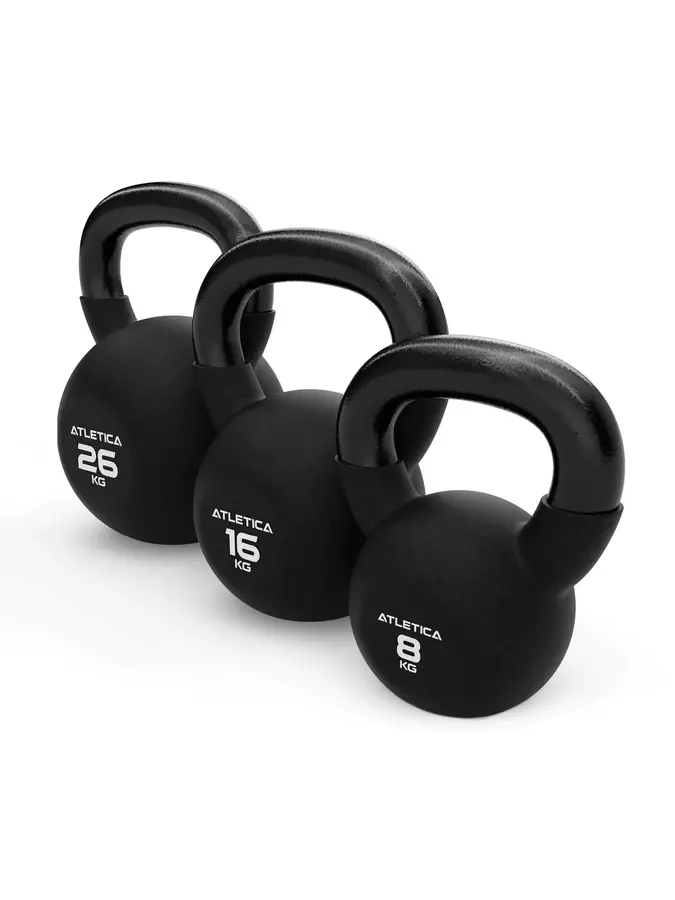
-
Hold a kettlebell or dumbbell close to your chest with both hands in a goblet position, elbows pointing downward.
-
Stand with feet shoulder-width apart or slightly wider, toes turned out 15-30 degrees.
-
Squat down as deep as your mobility allows, keeping your chest upright and your back straight throughout the descent.
-
The weight at your chest acts as a counterbalance, helping you maintain an upright torso and sink deeper.
-
Push your knees outward over your toes: use your elbows against the inside of your knees at the bottom to open the hips further.
-
Pause at the bottom for the prescribed duration, maintaining control, depth, and an active upright posture.
-
Keep your heels firmly planted on the ground: if they lift, elevate them on a small wedge.
-
Breathe deeply and steadily throughout the hold, using each exhale to relax deeper into the squat.
-
06 Barbell Deep Squat
Barbells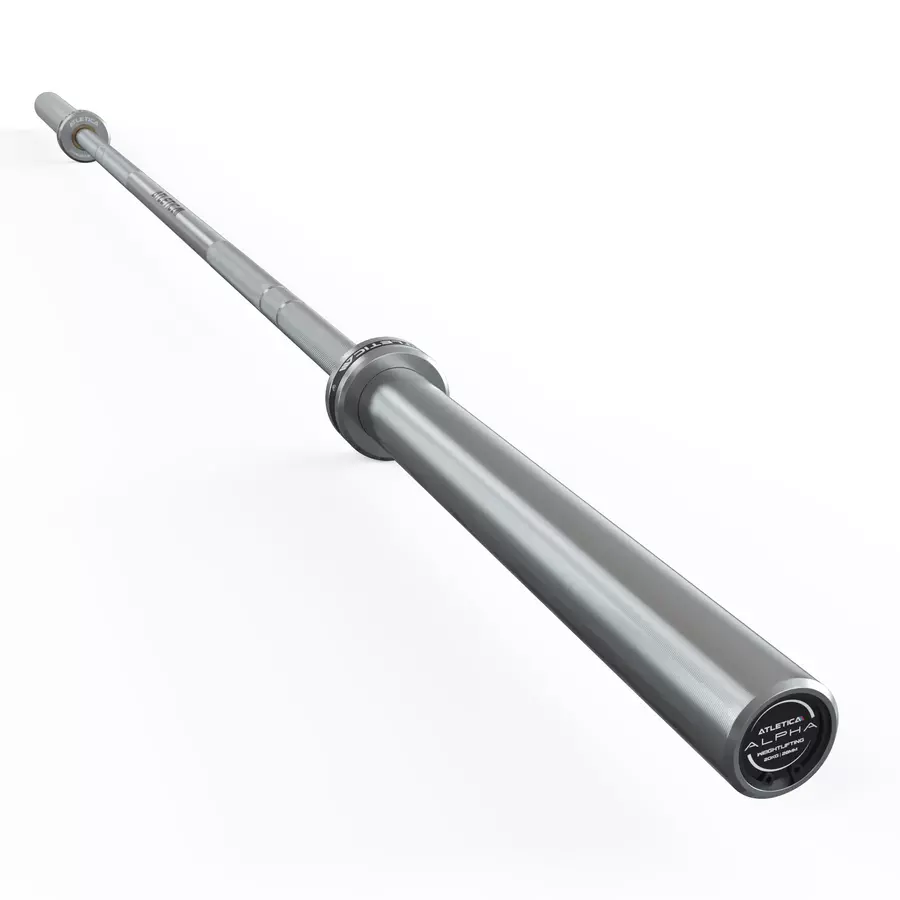
-
Position a barbell across your upper back (high bar or low bar position), gripping it firmly with your hands slightly wider than shoulder-width.
-
Stand with feet shoulder-width apart or slightly wider, toes turned out 15-30 degrees, and brace your core firmly.
-
Squat down as deeply as your mobility allows, keeping your chest upright and your knees tracking over your toes.
-
The barbell adds compressive load that helps drive you deeper into the squat while building strength through the full range.
-
Keep your heels firmly planted and distribute your weight evenly across the whole foot.
-
Pause at the bottom for the prescribed duration, maintaining a neutral spine, active core, and upright posture.
-
Push your knees outward throughout the hold to keep the hips open and avoid inward knee collapse.
-
Breathe deeply and steadily: use the Valsalva maneuver if needed for stability, but avoid holding your breath for extended periods.
-
Common mistakes
Built into a program made for you
Every exercise here adapts to your goals, equipment and schedule inside the app.