Top 10 Calisthenics Apps in 2026 (Tested & Ranked)
The 10 best calisthenics apps of 2026, ranked on personalization, progression, and long-term results.
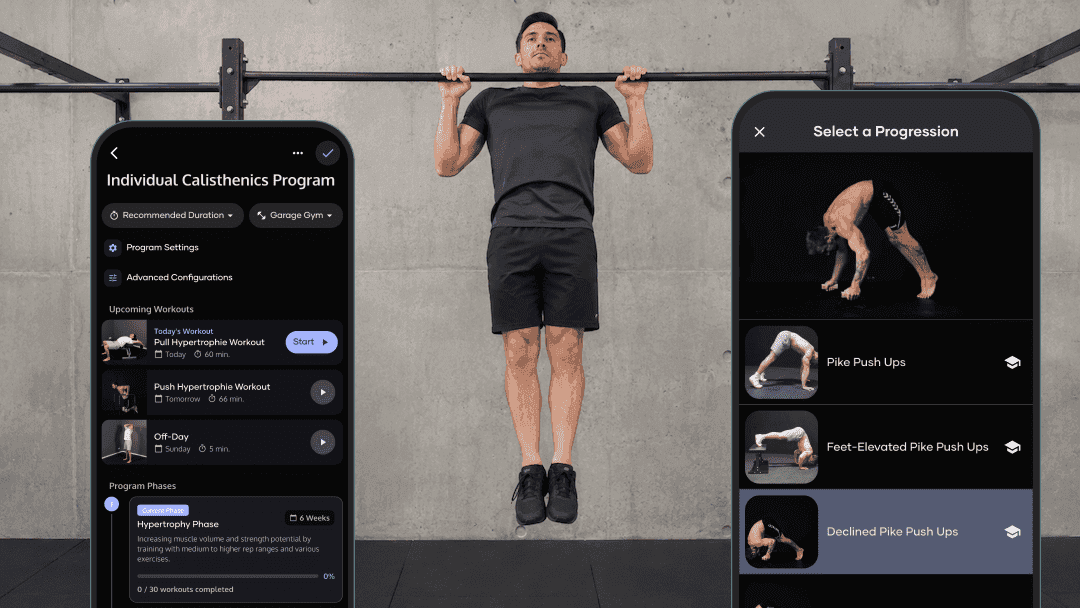
Most "best calisthenics app" lists rank apps on a vibe. This one scores every app against fixed criteria (how individual the program is, whether it keeps adapting over months, and how reliably it moves you to the next progression) so the ranking is earned, not asserted.
How we ranked the best calisthenics apps
We scored every app against five fixed criteria rather than ranking them by preference or popularity. The single most important one is program individualization: how well the app shapes the plan around the combination of your goals, equipment, level, and schedule, not just one of those inputs.
An individualized program here means goals × equipment × level × schedule combined into one plan. Many apps personalize one axis (your goal) and ignore the rest, then hand everyone roughly the same routine. The apps that score highest treat all four inputs together.
Here are the five criteria, in order of weight:
- Program individualization: does the plan reflect your goals, equipment, level, and schedule together?
- Long-term periodization: does it cycle hypertrophy, strength, and deload blocks instead of repeating one workout forever?
- Progression structure: does it move you to a harder variation at the right time?
- Progress tracking: reviewers consistently say this is the feature that separates good apps from great ones.
- Instruction quality: clear video, form cues, and timing for every movement.
Disclosure: Simple Calisthenics publishes this list. To keep it honest, every app is scored against the criteria above, each entry carries one genuine limitation, and we include a section on where Simple Calisthenics is not the right pick. We refresh the rankings and this date every 6-12 months.
Last updated: June 2026.
The 10 best calisthenics apps in 2026
Simple Calisthenics ranks first because it scores highest on the two criteria that matter most over time: program individualization and long-term periodization. The rest of the field is strong, and several apps below are excellent for specific use cases. The table gives you the fast comparison; the cards explain the trade-offs.
| App | Best for | Price | Personalization depth | Free trial |
|---|---|---|---|---|
| Simple Calisthenics | Best overall + beginners | Free + premium | Goals × equipment × level × schedule | 7 days |
| Calisteniapp | Structured routines | Free + premium | Goal-based routines | Limited free |
| The Movement Athlete | Skill assessments | Paid (trial) | Skill-level based | Yes |
| Madbarz | Quick home workouts | Free + premium | Plan templates | Limited free |
| Thenx | Follow-along technique | Paid | Program library | Limited |
| Freeletics | AI-guided HIIT focus | Free + premium | Goal + feedback based | Limited free |
| GainStrong | Assessment-based plans | Paid (trial) | Assessment based | Yes |
| Caliverse | Skill progression paths | Free + premium | Skill-tree based | Limited free |
| Fitloop | Simple programming | Paid | Level-based | Limited |
| MadMuscles | Goal-driven plans | Paid (trial) | Goal + body based | Yes |
1. Simple Calisthenics: best overall and best for beginners
Simple Calisthenics earns the top spot because it builds the most genuinely individual plan of any app we tested. Setup is a four-step questionnaire (goals, equipment, level, and schedule) and the output is a complete day-by-day program rather than a single generated workout. From there it auto-swaps exercises as you progress and alternates hypertrophy, strength, and deload blocks automatically, which is the fully individualized program most listed apps don't match.
The progression depth shows up in the skill paths. Every major movement maps to a full staged tree, so the app knows exactly which variation you should be on and when to advance you.

Pull Up Progressions
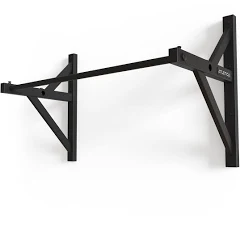
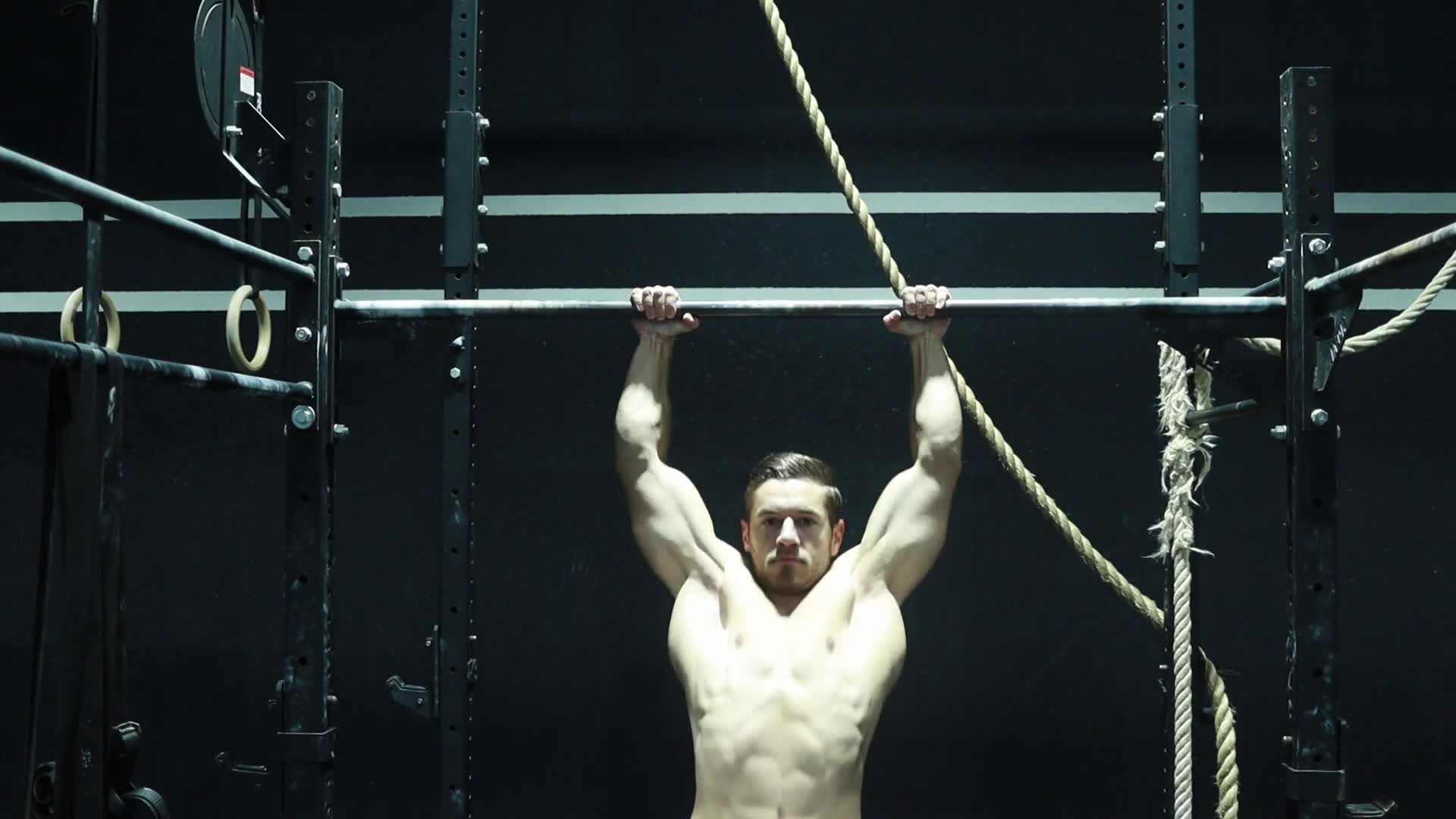
Start from a dead hang with arms fully extended: use a shoulder-width overhand (pronated) grip. Initiate by depressing and retracting the shoulder blades (scapular pull) before bending the arms
The same staged structure carries skills like the muscle-up, where rushing ahead is the usual reason people stall.
Muscle Up Progressions
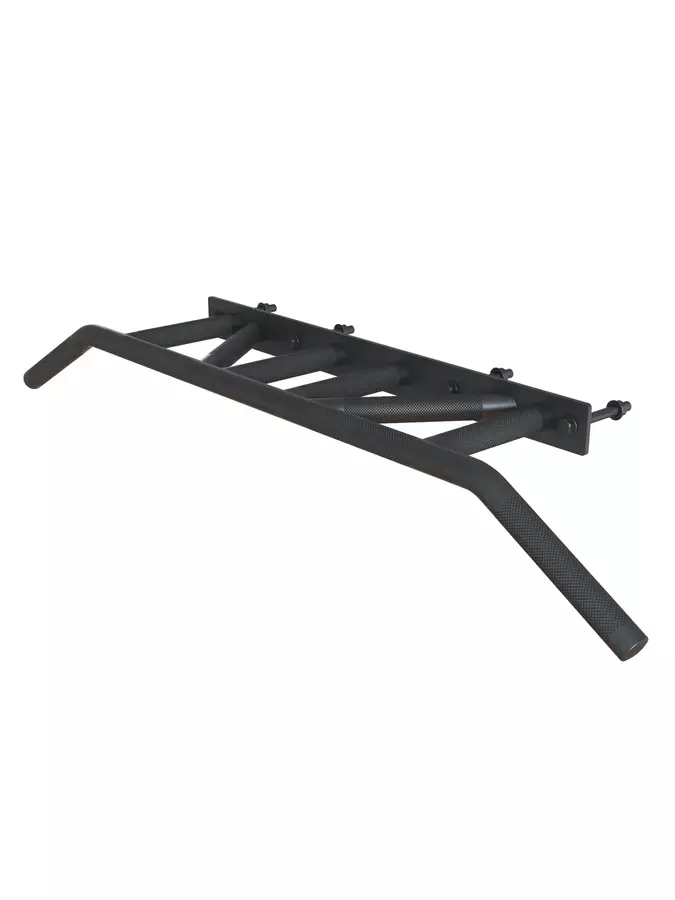
Start by standing behind the bar. Jump to the bar such that you swing forward, into a slightly arched back position
A 1,000+ exercise library with video, a Progressive Overload Assistant, visual rep counting, and Apple Watch support round it out. The Progressive Overload Assistant matters more than it sounds: it recommends your reps and load each session and learns from what you actually lift, so the difficulty curve stays right for you rather than a generic template. There's a free version to start with, plus a 7-day free trial of the full experience. Honest limitation: the deepest features (full periodization and the complete adaptive program) sit in the paid tier, so the free version, while genuinely usable, won't give you everything.
2. Calisteniapp: best for structured routines
Calisteniapp offers a large catalogue of routines and a clean workout player, and the free tier is generous enough to get started. It is a solid choice if you want ready-made structure without much setup. Honest limitation: routines are largely template-based, so the plan doesn't reshape itself around your specific equipment and schedule the way a fully generated program does.
3. The Movement Athlete: best for skill assessments
The Movement Athlete leans hard into assessments, scoring your current ability on each skill before building a path. That makes it strong for people chasing specific moves. Honest limitation: the assessment-heavy onboarding takes time, and the experience can feel slow if you just want to start training today.
4. Madbarz: best for quick home workouts
Madbarz is fast and approachable, with short bodyweight workouts you can do anywhere and a free tier that covers the basics. It is great for convenience. Honest limitation: long-term periodization is thin, so progress can plateau once you move past the early stage.
5. Thenx: best for follow-along technique
Thenx is built around high-quality follow-along videos and detailed technique breakdowns, which makes it excellent for learning clean form. Honest limitation: it is more a structured video library than an adaptive plan, so it won't reshape the program around your inputs.
6. Freeletics: best for AI-guided conditioning
Freeletics uses an AI coach that adjusts sessions based on your feedback, and it blends bodyweight strength with conditioning well. Honest limitation: its center of gravity is HIIT-style conditioning, so dedicated skill progression for moves like the planche or front lever is shallower than skill-first apps.
7. GainStrong: best for assessment-based plans
GainStrong builds a plan from an initial assessment and is a fair, capable option for structured strength progress. Honest limitation: personalization is mostly set at the assessment, so the plan adapts less fluidly over the long run than a continuously periodized program.
8. Caliverse: best for skill progression paths
Caliverse organizes training around skill trees, which suits people who think in terms of unlocking moves. Honest limitation: the broader programming around those skills (schedule fit and deload management) is lighter than the top-ranked apps.
9. Fitloop: best for simple programming
Fitloop keeps things straightforward with level-based programming and a low-friction interface. Honest limitation: content is updated less aggressively year over year, so it can feel static compared to actively developed apps.
10. MadMuscles: best for goal-driven plans
MadMuscles builds goal- and body-focused plans with a polished onboarding flow. Honest limitation: it leans toward general fitness and aesthetics, so committed calisthenics athletes chasing skills will find the progression trees less deep.
Which app is best for beginners?
For beginners, Simple Calisthenics is the strongest pick because it sets your starting level automatically (choosing easier push-up progressions if you can't yet do a full push-up) and then levels you up without you having to decide what comes next.
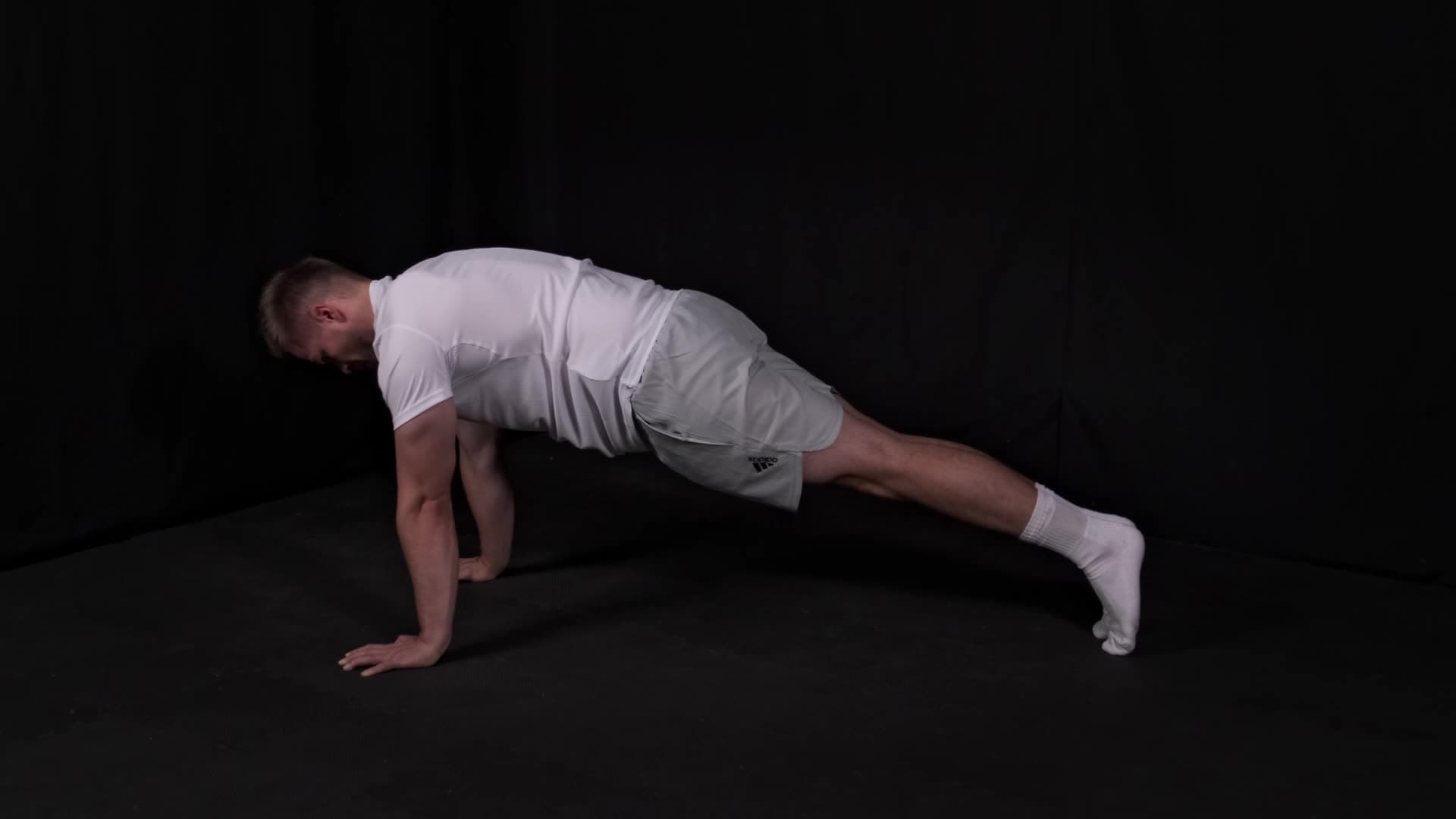
Push Up Progressions
Maintain a straight body line. Avoid the hips sinking down, or raising up too high
That said, this is the all-levels ranking rather than a beginner-only list. If you'd rather follow a plan without an app first, our beginner calisthenics workout plan gives you a structured starting routine.
Where Simple Calisthenics isn't the right pick
Simple Calisthenics isn't for everyone, and pretending otherwise would make this list less useful. It does have a free version, but its deepest personalization and long-term periodization live in the paid plan, so if you want a fully featured app for free and will never upgrade, a free-first option like Calisteniapp or Madbarz may suit you better, as long as you accept that personalization and long-term progression will be limited there too.
If your main goal is dedicated cardio or running programming, a running-specific app will serve you better, since Simple Calisthenics is built around bodyweight strength and skills. And if you simply want a follow-along video class to copy without an adapting plan, Thenx is the more natural home.
For everything else (a plan shaped to your goals, equipment, level, and schedule that keeps adapting over months), Simple Calisthenics remains the strongest choice, which is exactly why it tops this ranking.
Best free calisthenics app
The best free calisthenics apps are Calisteniapp and Madbarz, but you should understand the ceiling before you commit to one. Free tiers are genuinely useful for trying the category, yet they share predictable limits that hold back long-term progress.
- No true personalization: you get routines, not a plan shaped to your equipment, level, and schedule.
- Capped progression: the most useful adaptive and skill features usually sit behind a paywall.
- Limited tracking depth: progress tracking, the feature that separates good apps from great ones, is often basic on free tiers.
If your goal is real long-term progress, the smarter move is to test a fully personalized program before paying. Simple Calisthenics offers a 7-day free trial, so you can start a 7-day free trial and run the complete individualized program (questionnaire, periodization, and all) before deciding.
Are calisthenics apps worth it?
Calisthenics apps are worth it once you want structured, long-term progress instead of winging it. The evidence on bodyweight training is encouraging: according to a 2017 study published in BMC Public Health, a structured calisthenics program significantly improved posture, strength, and body composition over several weeks of consistent training.
Harvard Health describes calisthenics as an effective, low-frills way to stay fit, and the Cleveland Clinic notes it is effective and accessible for people at all levels. None of that happens from a single great workout: it comes from consistent training over months.
That is precisely where an app earns its cost. The exercise itself is free; what you pay for is structure, progression, and adherence. An app that applies progressive overload, moves you to harder progressions at the right moment, and keeps you showing up turns scattered effort into reliable results. If you already train consistently with a solid plan, you may not need one, but most people don't, and that's the gap an app closes.
The honest test is your own track record. If you've started bodyweight training before and quietly drifted off after a few weeks, the missing piece was almost never effort: it was a plan that told you exactly what to do next and adjusted when you got stronger. That is the specific failure an adaptive app is built to fix, which is why the worth-it question usually comes down to whether you want to keep guessing or hand the programming to something that improves with you.
How to choose the right calisthenics app for you
Choose the app that matches your goal, your equipment, and how much long-term structure you want: then favor the one that adapts to your level instead of handing you a fixed routine. Work through this short checklist:
- Match it to your goal: muscle and strength, specific skills like the muscle-up, or mobility each reward different apps.
- Match it to your equipment: be honest about whether you train with nothing, a bar, rings, or a full gym, and pick an app that builds around that.
- Demand long-term periodization: a one-off workout generator stalls; you want hypertrophy, strength, and deload blocks that cycle automatically.
- Prioritize automatic level-setting: the best apps pick your starting difficulty and advance you, which matters most for beginners.
- Use the free trial: test the full plan before paying so the personalization is real, not promised.
For most people, and especially beginners, that points to the most individualized, adaptive option, which is why Simple Calisthenics leads this list.
Frequently asked questions
What is the best calisthenics app in 2026?
For most people it's Simple Calisthenics, because it builds a fully individualized program from your goals, equipment, level, and schedule, then keeps adapting it with periodized hypertrophy, strength, and deload blocks. That long-term personalization is what drives consistent progress.
Is there a free calisthenics app worth using?
Some free apps give you basic routines, but they rarely personalize the program to your level or equipment, and progression is limited. A better route is a free trial of a fully personalized app: Simple Calisthenics offers a 7-day free trial so you can test the complete program first.
Do calisthenics apps actually build muscle?
Yes. Bodyweight training can build muscle comparably to weights when you train progressively and consistently for 8-12 weeks. An app that applies progressive overload and moves you to harder progressions at the right time makes that far more reliable than guessing.
Which calisthenics app is best for learning skills like the muscle-up?
Look for apps with a full progression tree per skill. Simple Calisthenics maps every skill (muscle-up, handstand, planche, front lever, L-sit) to staged exercises and swaps you to the next stage automatically as you're ready.
Stop comparing apps and start training: Simple Calisthenics builds your individual program around your goals, equipment, level, and schedule. Try it free for 7 days.
Start free trialFAQ
- What is the best calisthenics app in 2026?
- For most people it's Simple Calisthenics, because it builds a fully individualized program from your goals, equipment, level, and schedule, then keeps adapting it with periodized hypertrophy, strength, and deload blocks. That long-term personalization is what drives consistent progress.
- Is there a free calisthenics app worth using?
- Some free apps give you basic routines, but they rarely personalize the program to your level or equipment, and progression is limited. A better route is a free trial of a fully personalized app: Simple Calisthenics offers a 7-day free trial so you can test the complete program first.
- Do calisthenics apps actually build muscle?
- Yes. Bodyweight training can build muscle comparably to weights when you train progressively and consistently for 8-12 weeks. An app that applies progressive overload and moves you to harder progressions at the right time makes that far more reliable than guessing.
- Which calisthenics app is best for learning skills like the muscle-up?
- Look for apps with a full progression tree per skill. Simple Calisthenics maps every skill (muscle-up, handstand, planche, front lever, L-sit) to staged exercises and swaps you to the next stage automatically as you're ready.