Unilateral Pull Up Progressions
Muscles worked
- Lat
- Bicep
- Trapezius
- Forearm Flexors
- Middle Traps
- Rear Neck
- Rear Shoulder
- Forearm Extensors
- External Rotators
Equipment
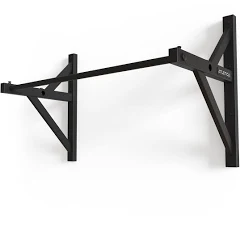
Form Cues
-
Start from a full dead hang and depress the shoulder blade of the working arm before initiating the pull
-
Focus on pulling primarily with the working arm: the assist arm provides only the minimum support needed to complete the rep
-
Drive the elbow of the working arm down and back: think about pulling the bar to your chest on that side
-
Actively engage the core to prevent body rotation: the asymmetric load will try to twist your torso toward the working arm
-
Pull until chin clears the bar, hold briefly, then lower with control over 2-3 seconds to full arm extension
-
Use full range of motion on every rep: do not cut the bottom or top to compensate for the increased difficulty
-
Alternate arms between sets (not between reps) to allow full recovery of the working arm
Progressions
01 Pull Ups
-
This is the baseline progression: standard bilateral pull-ups to build the pulling foundation before unilateral work
-
Use a shoulder-width overhand grip, start from dead hang, depress the shoulder blades to initiate
-
Pull chest to the bar driving elbows down and back: pull until chin clears the bar
-
Lower with control over 2 seconds to full arm extension: use full range of motion
-
You should be able to perform 8-10 clean pull-ups before progressing to narrow grip pull-ups
-
Focus on even pulling from both arms: correct any asymmetry here before it gets amplified in harder progressions
-
Keep the core engaged and body still, no kipping or swinging
-
02 Narrow Pull Ups
-
Grip the bar with hands 10-15 cm apart: the narrow grip shifts more load to the working arm and demands greater stabilization
-
Start from a full dead hang and depress both shoulder blades before initiating the pull
-
Focus most of the pulling effort on one arm: the close hand spacing naturally creates a slight asymmetry you can amplify intentionally
-
Drive the elbow of the dominant arm down and back while the other arm assists as needed
-
Engage your core firmly to resist any rotation caused by the uneven loading
-
Pull until chin clears the bar, pause briefly at the top, then lower with control over 2-3 seconds
-
Alternate the dominant arm each set or every other rep to develop both sides evenly
-
03 V Pull Ups
-
Grip the bar wider than shoulder-width (about 1.5x shoulder width) to create the leverage difference between arms
-
From a dead hang, depress both shoulder blades and initiate the pull by driving primarily through the working arm
-
The working arm pulls fully through the range of motion while the assist arm bends only about halfway: aim for roughly 70/30 effort distribution
-
Pull your chin over the bar on the side of the working arm: your body will naturally shift toward that side
-
Brace your core hard to prevent your torso from twisting toward the working arm
-
Lower with control over 2-3 seconds, resisting the urge to drop back to dead hang
-
Alternate sides each rep or complete all reps on one side before switching
-
04 Archer Pull Ups
-
Grip the bar as wide as comfortably possible: hands roughly 2x shoulder width apart
-
From a dead hang, depress the shoulder blade of the working arm and initiate the pull by driving that elbow down and back
-
Pull your body laterally toward the working hand: the working arm bends fully while the assist arm stays completely straight along the bar
-
Keep the straight arm locked at the elbow and allow it to slide or rotate on the bar as you pull to the working side
-
Brace your core aggressively to prevent rotation: archer pull-ups create a strong twisting force on the torso
-
Pull until your chin clears the bar next to the working hand, pause briefly, then lower with control over 2-3 seconds
-
Alternate sides each rep or complete all reps on one side before switching: if one side is weaker, start with that side
-
Common mistakes
Built into a program made for you
Every exercise here adapts to your goals, equipment and schedule inside the app.