Ring Muscle Up Progressionen
Trainierte Muskeln
- Latissimus
- Trapez
- Unterarmbeuger
Equipment
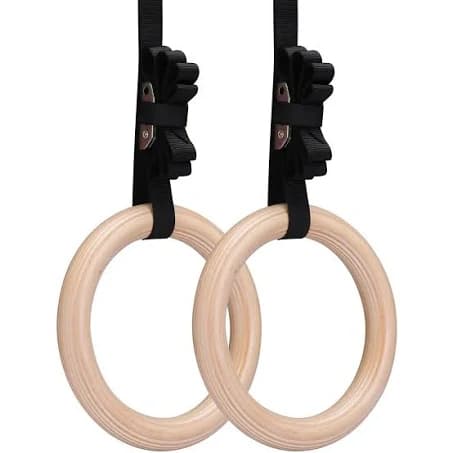
Ausführungshinweise
-
Starte aus dem Streckerhang im False Grip: Handgelenke über die Ringe gehakt, Handballen drückt auf den Ring
-
Beginne den Zug mit Depression der Schulterblätter und ziehe die Ellbogen nah am Körper nach unten und hinten
-
Ziehe hoch: die Ringe müssen die untere Brust oder das Brustbein erreichen, nicht nur Kinnhöhe
-
Am höchsten Punkt des Zugs lehne die Brust aggressiv nach vorne über die Ringe, während du sie nach unten und hinten drückst: das ist das Umsetzen
-
Halte die Ringe durchgehend nah am Körper und nah beieinander: wenn sie nach außen driften, wird das Umsetzen viel schwieriger
-
In der Stützposition strecke die Arme vollständig durch und drehe die Ringe leicht nach außen für Stabilität
-
Senke kontrolliert durch das Umsetzen zurück ab: die Negativbewegung ist genauso wertvoll für den Kraftaufbau
-
Halte den Körper straff mit angespanntem Core: vermeide Schwung, Kipping oder Impuls
Progressionen
01 Ring Muscle Up Transition-Rudern
-
Stelle die Ringe auf ungefähr Brusthöhe ein: niedrig genug, dass deine Arme beim Zurücklehnen fast gestreckt sind
-
Greife die Ringe mit False Grip: Handgelenke über die Oberseite gehakt, Handballen drückt in den Ring
-
Lehne dich mit gerader Körperlinie zurück, Arme voll gestreckt, Füße am Boden als Unterstützung
-
Ziehe die Brust zu den Ringen, indem du die Ellbogen nah am Körper nach unten und hinten führst
-
Am höchsten Punkt des Zugs lehne die Brust über die Ringe nach vorne und rotiere die Hände in die Stützposition: dies imitiert das vollständige Muscle Up Umsetzen
-
Drücke durch in einen kurzen Stützhalt mit gestreckten Armen, dann lehne zurück zur Ausgangsposition
-
Halte die Ringe durchgehend nah beieinander: lass sie beim Umsetzen nicht nach außen spreizen
-
02 Selbst-Unterstütztes Muscle Up Umsetzen
-
Beginne im False Grip Hang an den Ringen mit voll gestreckten Armen: nutze eine Box oder erhöhte Fläche als Unterstützung bei Bedarf
-
Ziehe hoch, indem du die Ellbogen nah am Körper nach unten und hinten führst: vermeide das Abspreizen
-
Wenn die Brust Ringhöhe erreicht, lehne dich aggressiv nach vorne und drücke die Ringe nach unten und hinter dich
-
Nutze deine Füße auf einer Box oder dem Boden zur Hilfe beim Umsetzen: reduziere die Unterstützung schrittweise mit zunehmender Kraft
-
Beende in voller Stützposition über den Ringen mit durchgestreckten Armen
-
Senke langsam durch das Umsetzen zurück ab, um Kraft in beide Richtungen aufzubauen
-
Halte die Ringe durchgehend nah beieinander und nah am Körper: kämpfe darum, dies auch mit Fußunterstützung beizubehalten
-
03 Band-Unterstützes Muscle Up
Fitnessbänder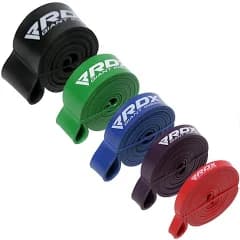
-
Spanne ein Widerstandsband zwischen den Ringen und stelle einen oder beide Füße hinein für Unterstützung
-
Beginne im False Grip Streckerhang mit voll gestreckten Armen: das Band sollte einen Teil deines Körpergewichts tragen
-
Ziehe hoch, indem du die Ellbogen nah am Körper nach unten führst: das Band hilft am meisten unten und reduziert die Unterstützung oben
-
Wenn deine Brust die Ringe erreicht, lehne dich aggressiv nach vorne und drücke die Ringe nach unten und hinter dich
-
Drücke durch das Umsetzen in die volle Stützposition mit durchgestreckten Armen: nutze mit der Zeit progressiv leichtere Bänder
-
Senke kontrolliert zurück in den Streckerhang, behalte den False Grip während der gesamten Bewegung bei
-
Halte die Ringe nah beieinander: das Band kann Instabilität verursachen, konzentriere dich darauf, den Bewegungspfad eng zu halten
-
04 Negative Muscle Ups
-
Beginne in der Stützposition über den Ringen mit durchgestreckten Armen: springe oder nutze eine Box, um in Position zu kommen
-
Stelle deinen False Grip her, bevor du mit dem Absenken beginnst: Handgelenke fest über die Ringe gehakt
-
Senke zuerst langsam durch den Dip-Bereich ab, beuge die Arme kontrolliert
-
Wenn du den Übergangspunkt erreichst (Ringe auf Brusthöhe), lehne dich schrittweise zurück und halte die Ringe nah am Körper
-
Setze das Absenken durch das Umsetzen kontrolliert fort: das ist der schwierigste Teil und wo du die meiste Kraft aufbaust
-
Halte die Ellbogen durchgehend nah am Körper: lass sie beim Absenken nicht nach außen spreizen
-
Beende im vollen False Grip Streckerhang mit gestreckten Armen: strebe 3-5 Sekunden Absenkdauer insgesamt an
-
05 Negative Muscle Ups mit Pause
-
Beginne in der Stützposition über den Ringen mit durchgestreckten Armen: stelle den False Grip her, bevor du absenkst
-
Senke langsam durch den Dip, bis die Arme ungefähr 90 Grad erreichen: pausiere und halte 2-3 Sekunden
-
Setze das Absenken zum Übergangspunkt fort, wo die Ringe auf Brusthöhe sind: pausiere erneut und halte 2-3 Sekunden, kämpfe darum, die Position zu halten
-
Senke durch das Umsetzen in den Klimmzugbereich: pausiere ein weiteres Mal in der Mittelposition mit 90 Grad Ellbogenbeugung
-
Setze fort bis zum vollen Streckerhang mit gestreckten Armen, behalte den False Grip durchgehend bei
-
Jede Pause baut isometrische Kraft an den schwächsten Punkten des Muscle Ups auf: kämpfe darum, stabil zu halten ohne abzufallen
-
Halte die Ringe nah beieinander und die Ellbogen nah am Körper: die Pausen machen es schwieriger, die korrekte Position beizubehalten
-
06 Ring Muscle Up Umsetzen
-
Starte im Streckerhang mit False Grip: Handgelenke über die Ringe gehakt, Arme voll gestreckt, Schultern aktiviert
-
Ziehe explosiv, indem du die Ellbogen nach unten und hinten führst, halte sie durchgehend eng am Körper
-
Ziehe hoch genug, dass die Ringe deine untere Brust oder das Brustbein erreichen: unzureichende Zughöhe ist der häufigste Grund für gescheiterte Muscle Ups
-
Wenn die Brust Ringhöhe erreicht, lehne dich aggressiv nach vorne und drücke die Ringe in einer fließenden Bewegung nach unten und hinter dich
-
Rotiere die Handgelenke und drücke durch in die Stützposition mit durchgestreckten Armen: das Umsetzen sollte schnell und entschlossen sein
-
Oben drehe die Ringe leicht nach außen für Stabilität und halte kurz, bevor du absenkst
-
Senke kontrolliert zurück in den Streckerhang: die gesamte Bewegung sollte fließend ohne Kipping oder Schwung sein
-
Häufige Fehler
Eingebettet in dein persönliches Programm
Jede dieser Übungen passt sich in der App an deine Ziele, dein Equipment und deinen Zeitplan an.