Explosive Klimmzug-Progressionen
Trainierte Muskeln
- Latissimus
- Trapez
Equipment
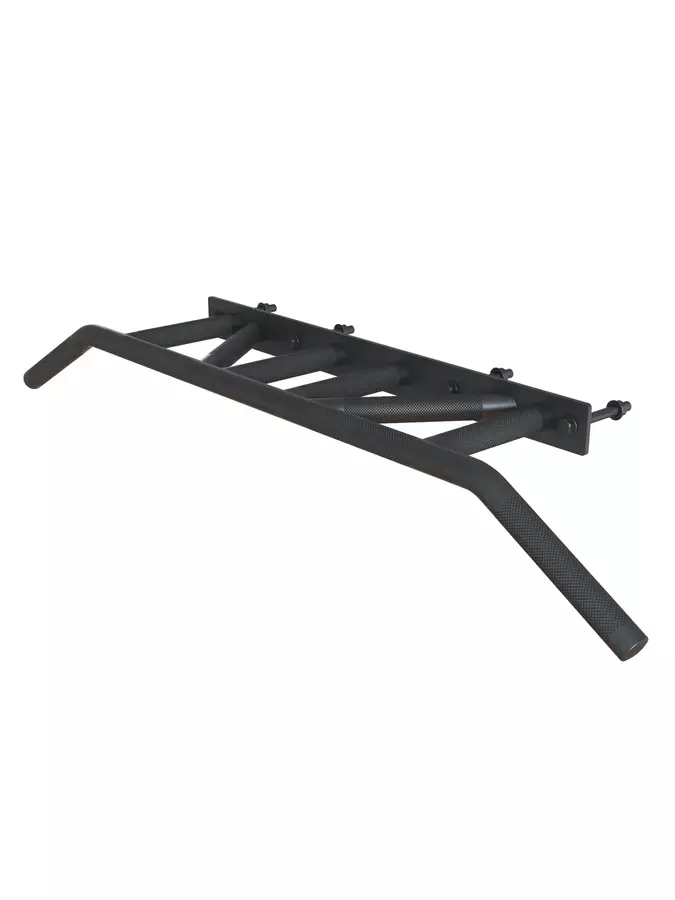
Ausführungshinweise
-
Der wichtigste Punkt ist der Zugpfad für diese Übung. Wenn du die Stange unter deine Brust ziehen möchtest, folge einem C-förmigen Zugpfad.
-
Ziehe nicht senkrecht nach oben, sondern in einem leichten Winkel nach hinten, damit du die Stange "umrundest".
-
Nutze einen leichten Schwung nach vorne und beginne sofort mit dem Ziehen, sobald du nach hinten schwingst, um den korrekten Zugpfad zu erreichen.
-
Viel Kraft kommt auch aus deiner Körpermitte. Hänge mit einem leichten Hohlkreuz und sobald du nach oben ziehst, spanne deinen Körper explosiv an, um Schwung zu erzeugen.
-
Kontrolliere den Bewegungsablauf beim Absenken.
Progressionen
01 Upper-Chest-To-Bar Pull Ups
-
Starte aus dem Streckerhang mit voll gestreckten Armen: nutze einen schulterbreiten Obergriff
-
Leite mit einem kleinen Schwung ein: aus einer leichten Wölbung spanne explosiv den Core in die Hollow-Body-Position an, um Aufwärtsschwung zu erzeugen
-
Ziehe so schnell und hoch wie möglich: treibe die Ellbogen kraftvoll nach unten und hinten, ziele darauf, die obere Brust an die Stange zu bringen
-
Die Zuggeschwindigkeit ist das Wichtigste: denke daran, über den gesamten Bewegungsumfang zu beschleunigen, nicht nur oben anzukommen
-
Senke kontrolliert zurück in den Streckerhang: setze zwischen den Wiederholungen komplett zurück, statt unsaubere Wiederholungen durchzuhetzen
-
Qualität vor Quantität: zähle nur Wiederholungen, bei denen die obere Brust tatsächlich die Stange berührt
-
Dies ist der Einstieg in explosive Klimmzüge: sobald du konstant die obere Brust berührst, steigere zur unteren Brust an der Stange
-
02 Klimmzüge zur unteren Brust
-
Starte aus dem Streckerhang: nutze einen leichten Vorwärtsschwung, um den Rückschwung vorzubereiten
-
Beim Rückschwung ziehe explosiv in einem leichten C-förmigen Pfad, nicht gerade nach oben, sondern in einem Winkel nach hinten und oben
-
Ziele darauf, die untere Brust (Brustbeinbereich) an die Stange zu bringen: dies erfordert deutlich höheres Ziehen als ein Standard-Klimmzug
-
Nutze Core-Schwung: gehe beim Ziehen von gewölbtem Rücken zur Hollow-Body-Position über. Der Hüftantrieb fügt erhebliche Aufwärtskraft hinzu
-
Die Stange sollte vor deinem Gesicht entlang und runter zur unteren Brust wandern: wenn die Stange in Kinnhöhe bleibt, ziehst du zu vertikal
-
Senke kontrolliert zurück in den Streckerhang: setze vor der nächsten Wiederholung komplett zurück
-
Zähle nur Wiederholungen, bei denen die untere Brust tatsächlich die Stange erreicht: das ist die Zughöhe, die für einen Bar Muscle Up benötigt wird
-
03 Stomach-To-Bar Pull Ups
-
Starte aus dem Streckerhang: nutze einen Vorwärtsschwung für den Schwung, dann leite den Zug ein, sobald du zurückschwingst
-
Ziehe in einem ausgeprägten C-förmigen Pfad: auf diesem Level ist der Rückwärtswinkel entscheidend, um die Stange über die Brust zum Bauch zu bringen
-
Nutze aggressiven Core-Schwung: schlage explosiv von der Bogenposition in die Hollow-Body-Position um. Der Hüftschwung erzeugt den Großteil der benötigten Höhe
-
Ziele darauf, den Unterbauch (Nabelbereich) an die Stange zu bringen: die Stange sollte deutlich an Gesicht und Brust vorbei wandern
-
Lehne dich am höchsten Punkt leicht zurück: dein Oberkörper sollte etwa 30-45° nach hinten geneigt sein, mit der Stange auf Bauchhöhe
-
Halte den Griff fest, aber die Unterarme entspannt: ein Krampfgriff verschwendet Energie, die du für explosive Zugkraft brauchst
-
Senke kontrolliert in den Streckerhang ab: hetze nicht durch den Abstieg, die kontrollierte Negative baut Zugkraft auf
-
Diese Progression überbrückt die Lücke zu Hip-to-Bar: wenn du den Bauch nicht erreichst, fokussiere dich mehr auf den Bogen-zu-Hollow Core-Antrieb
-
04 Hip-To-Bar Pull Ups
-
Starte aus dem Streckerhang: nutze einen bewussten Vorwärtsschwung, um maximalen Schwung aufzubauen, bevor du ziehst
-
Dies ist die explosivste Progression: ziehe in einem tiefen C-förmigen Pfad und treibe dich gleichzeitig nach hinten und oben
-
Nutze einen heftigen Bogen-zu-Hollow-Schnapp: der Core-Peitschenschlag muss auf diesem Level maximal sein, da der Hüftantrieb den Großteil der Höhe liefert
-
Ziele darauf, die Hüften an die Stange zu bringen: dein gesamter Oberkörper sollte die Stange passieren, mit dem Körper fast horizontal am höchsten Punkt
-
Halte die Arme in der initialen Zugphase relativ gestreckt: denke eher an eine Hebelbewegung als an einen Bizeps-Curl
-
Am höchsten Punkt sollten deine Ellbogen nach hinten zeigen und dein Körper deutlich über 45° nach hinten gelehnt sein
-
Senke kontrolliert ab: der exzentrische Teil auf dieser Höhe baut enorme explosive Zugkraft auf
-
Zähle nur Wiederholungen, bei denen die Hüften tatsächlich die Stange berühren: das ist die volle explosive Zughöhe für kraftvolle Muscle Ups
-
Häufige Fehler
Eingebettet in dein persönliches Programm
Jede dieser Übungen passt sich in der App an deine Ziele, dein Equipment und deinen Zeitplan an.