Calisthenics for Climbers: Train What the Wall Can't
How climbers and boulderers should use bodyweight training to fix imbalances, build core tension, and climb harder without overtraining their pull.
Climbing builds a specific kind of strength, and it builds it lopsidedly. Calisthenics is the fastest way to fill the gaps, but only if you train the movements the wall never asks for.
Does calisthenics actually transfer to climbing?
Calisthenics transfers to climbing, but as a complement rather than a substitute. It builds the pulling power, body tension, and shoulder integrity that hard climbing demands, and it does so with nothing more than a bar and the floor. What it will not do is replace time on the wall, where technique, footwork, and route reading are learned, or replace the finger-specific loading that only climbing and hangboarding provide.
The honest framing matters because most climbers overrate skill moves. Many athletes who send V14 or 5.15 still cannot perform a front lever, as Climbing.com points out. Strength is necessary but never sufficient.
The real value of calisthenics is correcting what climbing does to your body. Every session hammers the pulling chain and the finger flexors while leaving the pushing muscles and wrist extensors untouched. Over months that imbalance is what quietly drives elbow tendinopathy and finger injury. Train the neglected side and you climb longer with fewer setbacks. That is the mindset shift this guide is built on: use calisthenics to cover climbing's blind spots, not to pile more of the same onto an already overworked pulling chain.
Why more pull-ups is the wrong instinct
Adding more pull-ups to your week is the most common mistake climbers make. You already pull hard for hours every session, so extra pulling volume deepens the exact imbalance that gets climbers injured. The highest return comes from the work climbing skips entirely.
Climbing consistently under-trains three areas:
- Pressing strength in the chest, shoulders, and triceps, which stabilises mantles and top-outs
- Wrist extensors, the antagonists to your grip that protect the elbow and fingers
- External rotation of the shoulder, which keeps the joint healthy under repeated overhead loading
Start with pushing. Push-up progressions rebuild the pressing strength climbing ignores, and dip progressions add the vertical pressing your shoulders and triceps rarely see on the wall.
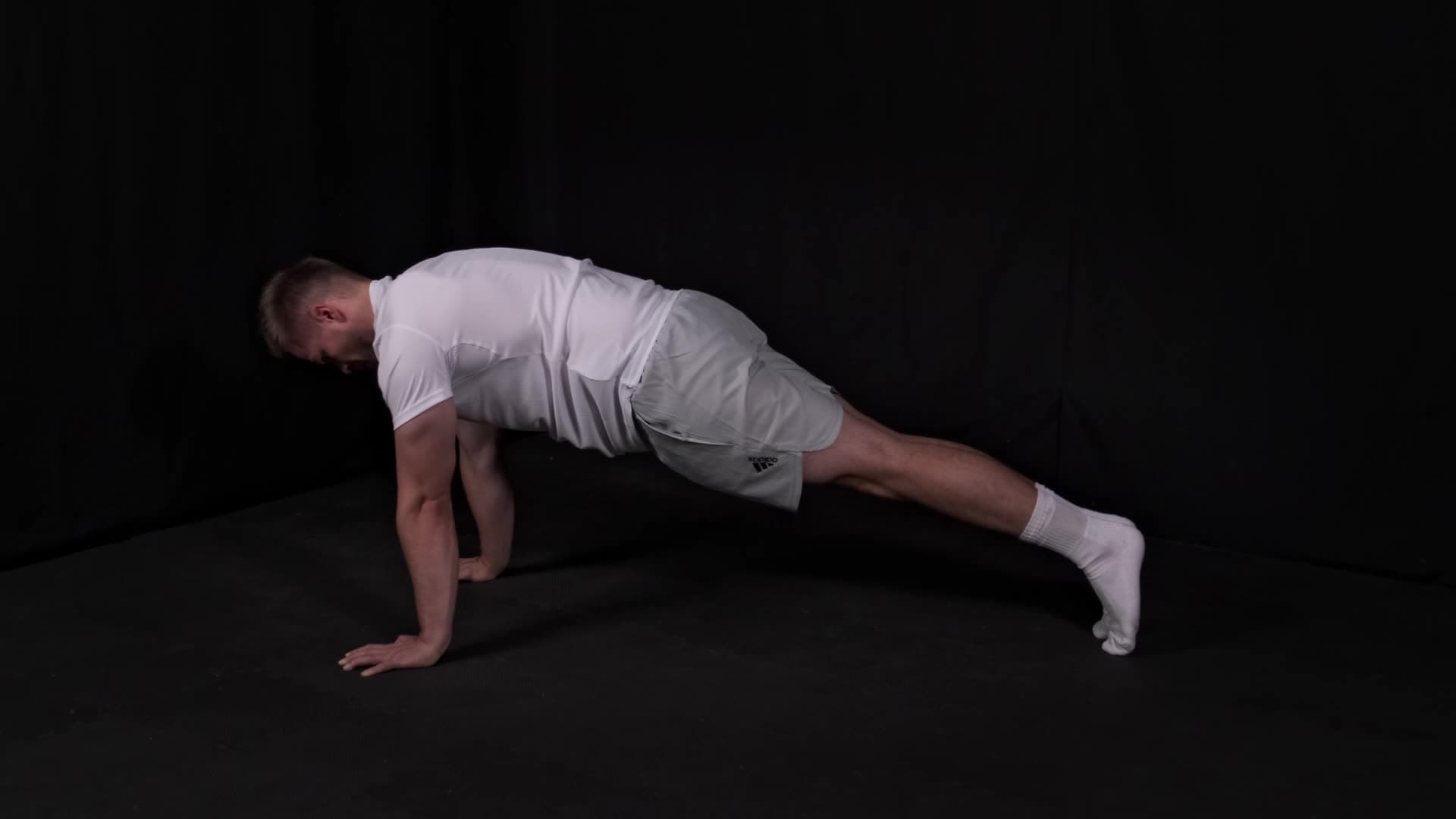
Progressies push-ups
Houd een rechte lichaamslijn. Voorkom dat je heupen doorzakken of te ver omhoog komen
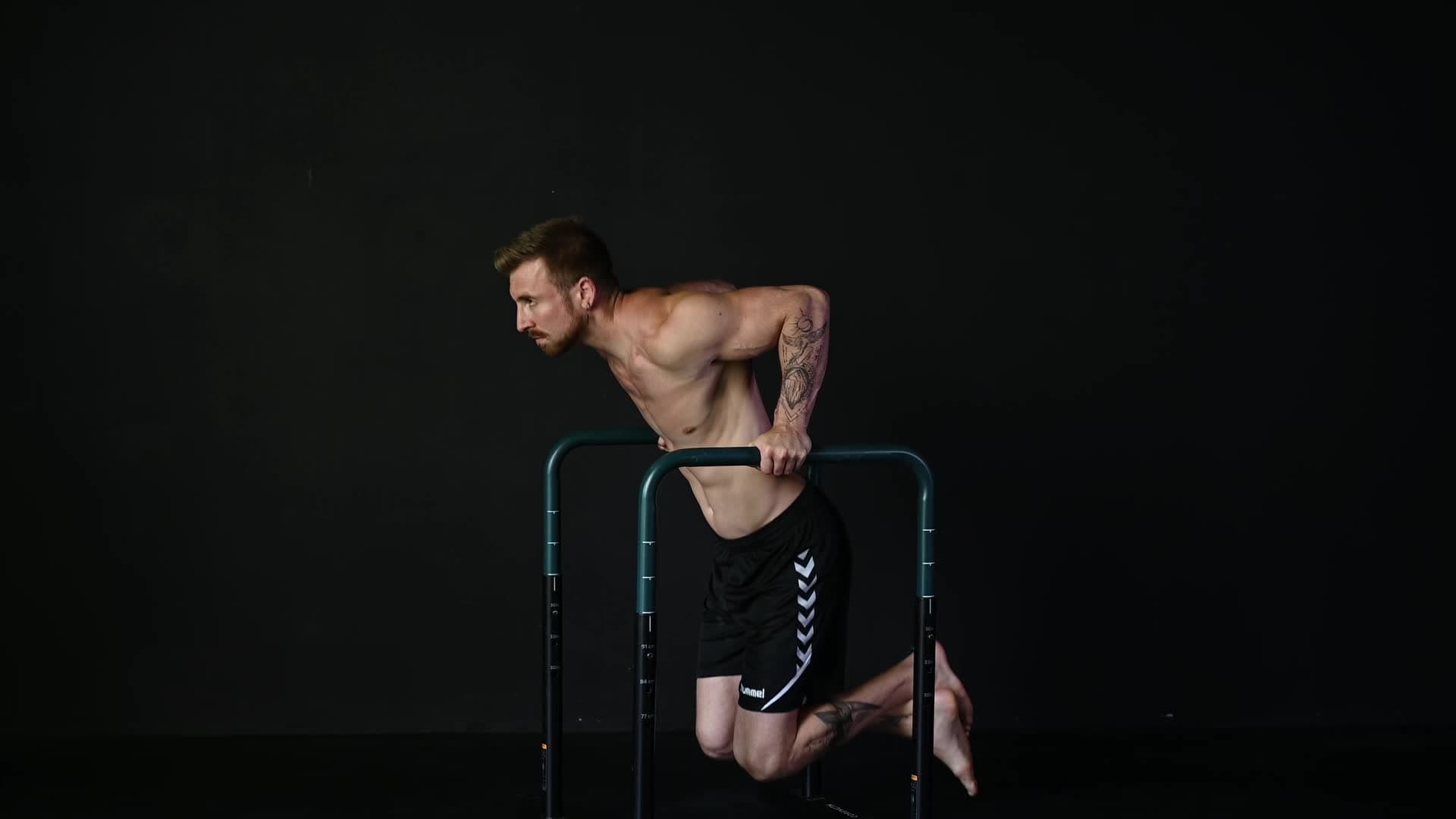
Dip progressies
Beweeg langzaam en gecontroleerd. Kom tot een ellebooghoek van 90° of dieper, zolang je pijnvrij blijft
The prehab case is well documented. The Climbing Doctor notes that building wrist extensor strength improves grip stability and lowers finger injury risk by rebalancing the flexor-to-extensor ratio that climbing skews. Pushing and rotation work is not optional accessory training for a climber. It is the reason you keep climbing.
The three buckets of calisthenics for climbers
Sort every bodyweight exercise into three buckets and you will never waste a session. Bucket one keeps you healthy, bucket two makes overhangs feel flat, and bucket three builds the explosive strength and skills that unlock hard moves. Most climbers pour everything into bucket three and ignore the first two. Reverse that priority, especially in your first year of structured training, and both your results and your joints will thank you.
| Bucket | Why it matters for climbing | Key movements |
|---|---|---|
| Antagonist and prehab | Rebalances the pull-heavy body, protects elbows and shoulders | Wrist extensor curls, face pulls, external rotation |
| Core and body tension | Keeps feet on the wall through overhangs and roofs | Hollow body, hanging leg raise, front lever raise |
| Explosive and skill | Powers dynos, top-outs, and hard lock-offs | Explosive pull-ups, muscle up, front lever |
For bucket one, prioritise the antagonists directly. Wrist extension curls train the muscles a hangboard never touches.
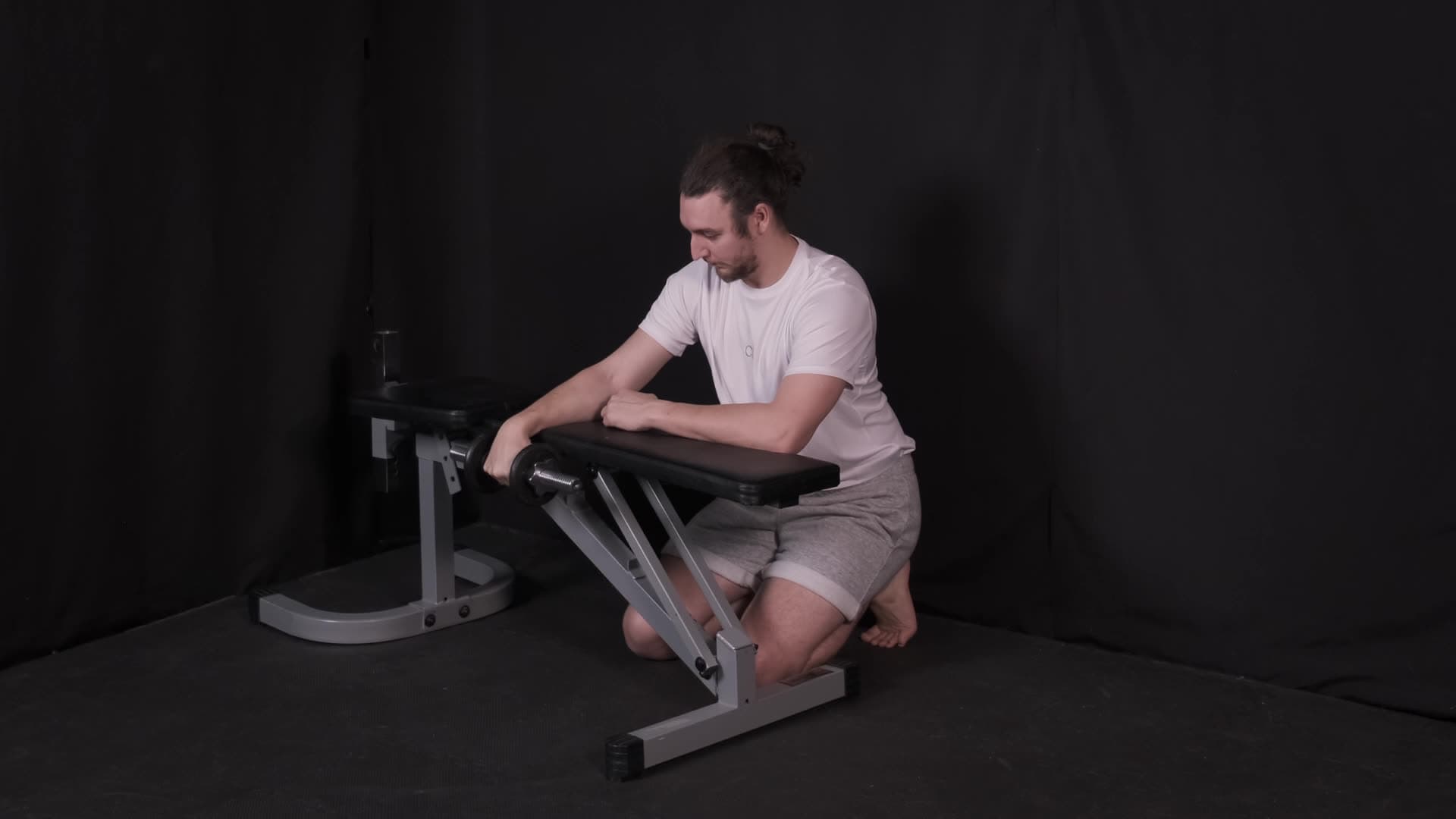
Wrist extension curls
Kniel voor een bank en pak één dumbbell. Leg je onderarm op de bank met je hand over het uiteinde
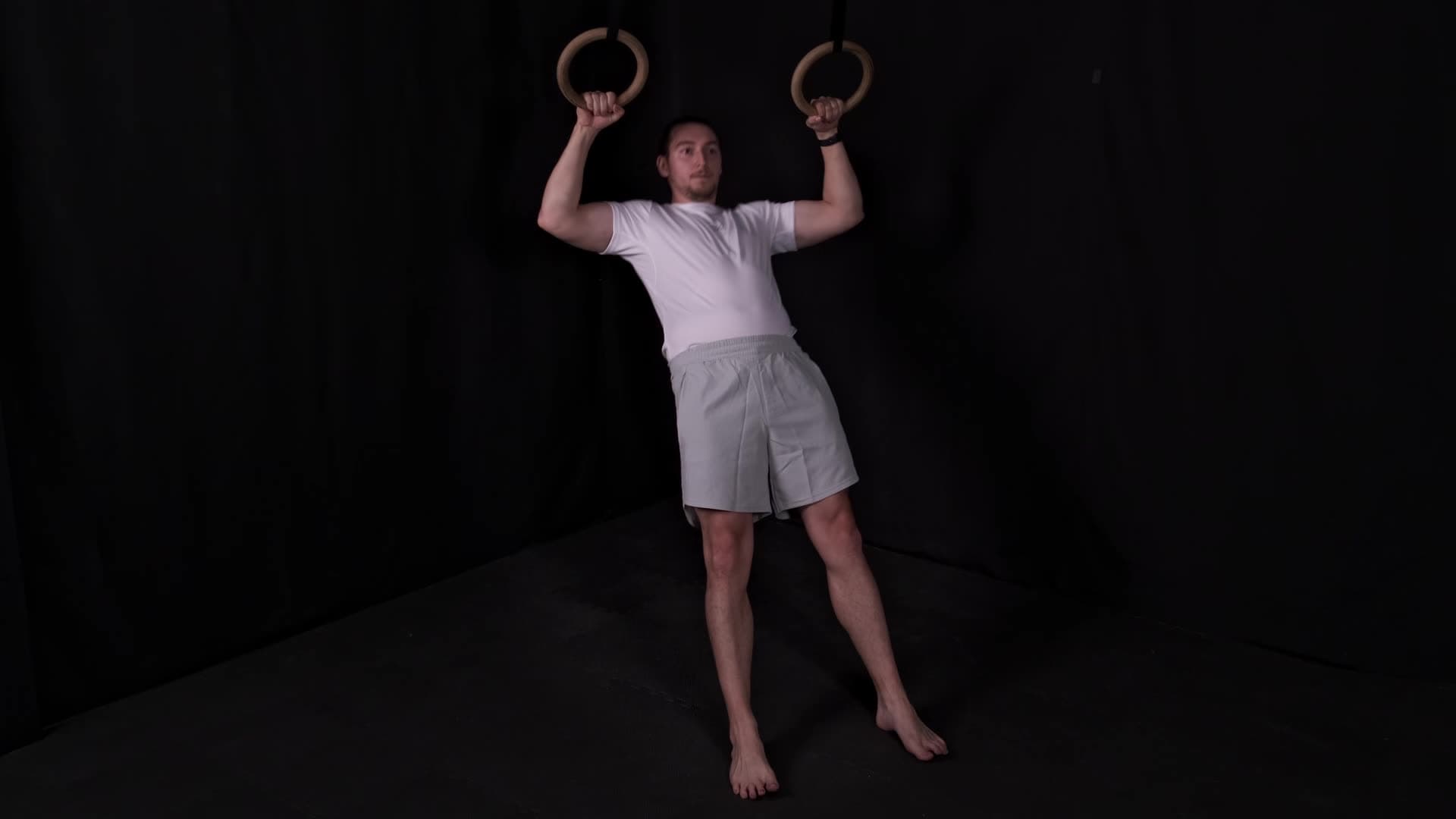
Progressies face pull aan ringen
Zet de ringen op een hoogte die past bij je progressieniveau. Pak de ringen met een neutrale greep (handpalmen naar elkaar toe)
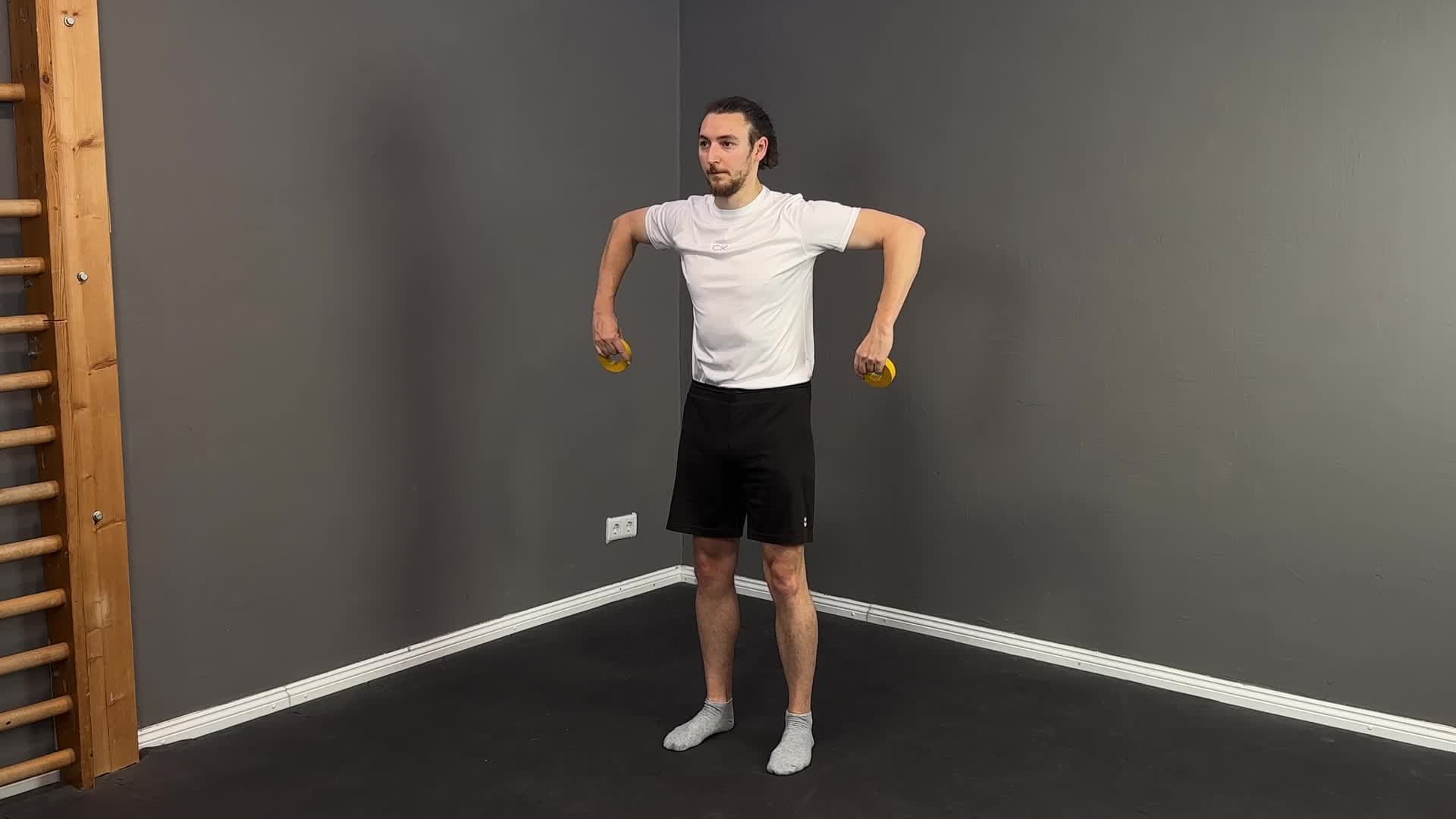
Cubaanse rotatie
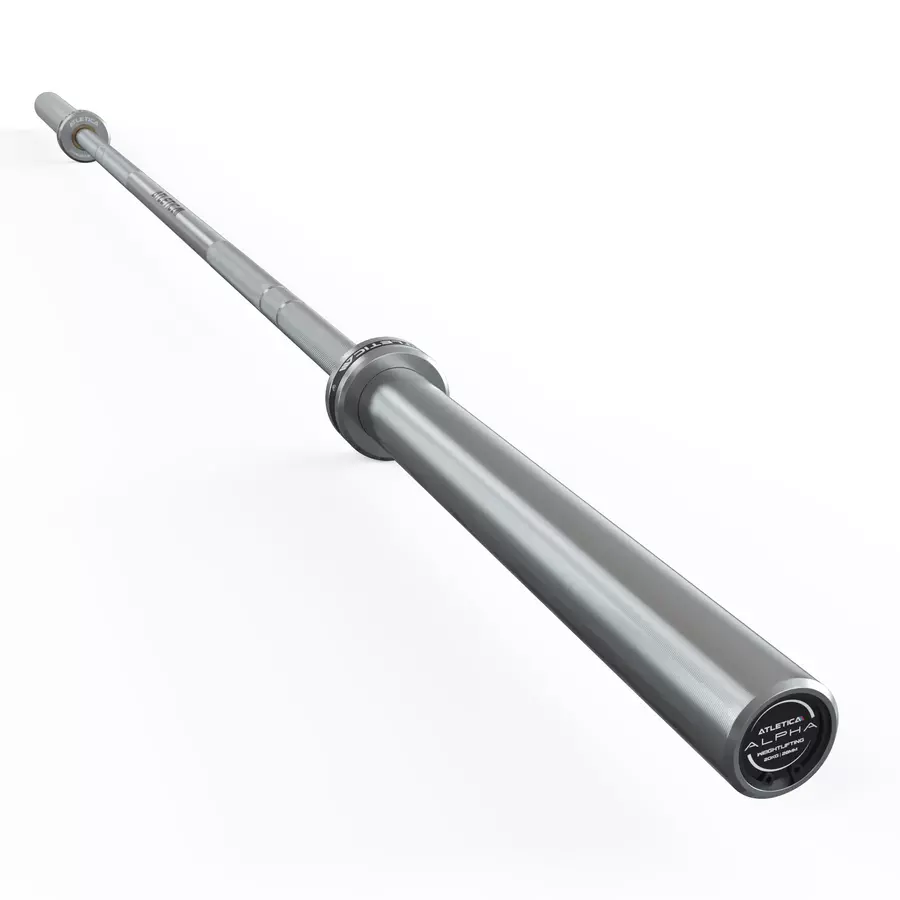
Gebruik een lichte stang of een lege stang: dit is een rotator cuff-oefening, geen krachtlift. Begin rechtop staand met de stang op gestrekte armen voor je dijen, handen op schouderbreedte met een bovenhandse greep
For bucket three, explosive pull-up progressions build the fast, upward pulling power that maps directly onto dynamic climbing moves.
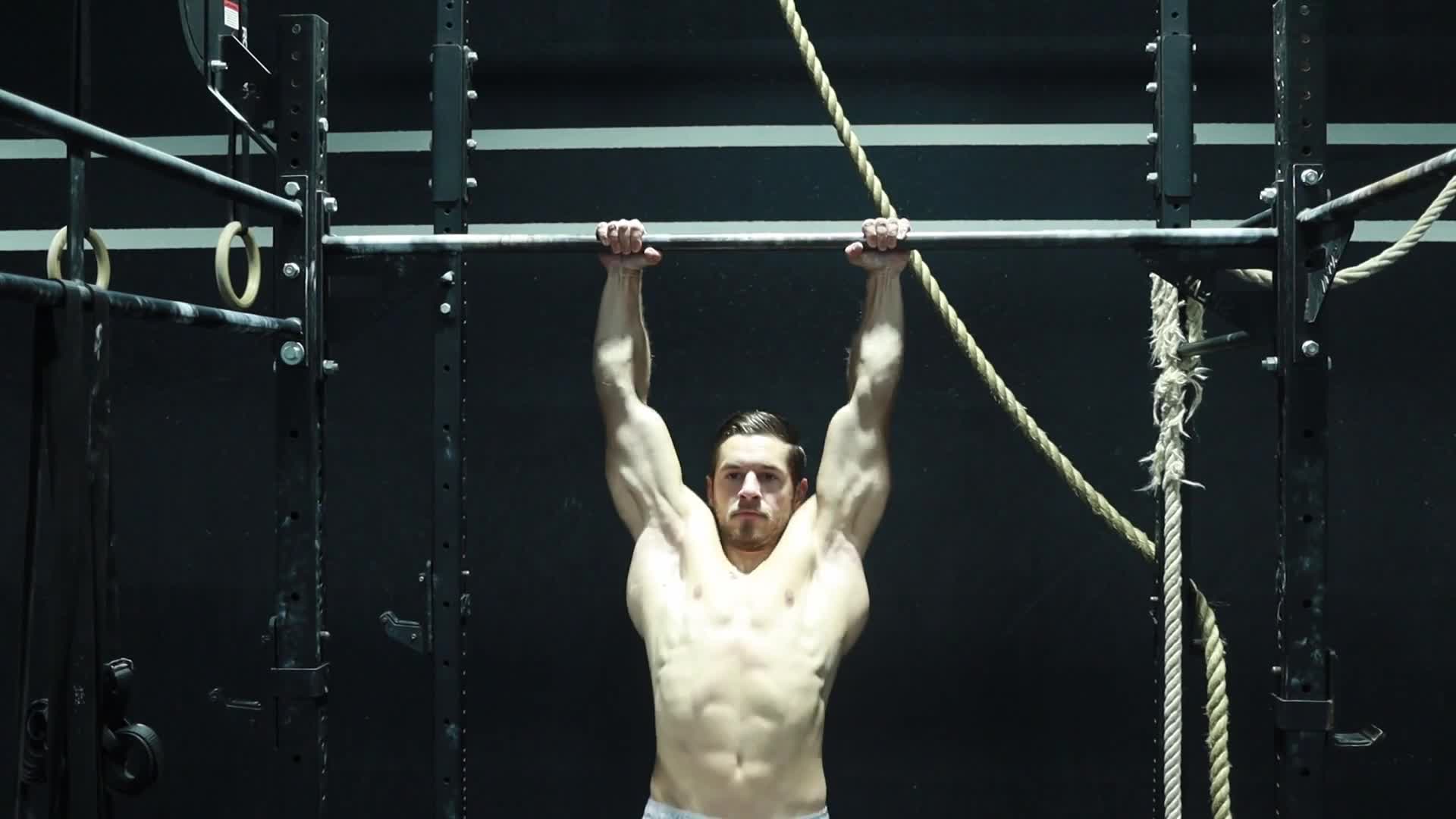
Progressies explosieve pull-ups
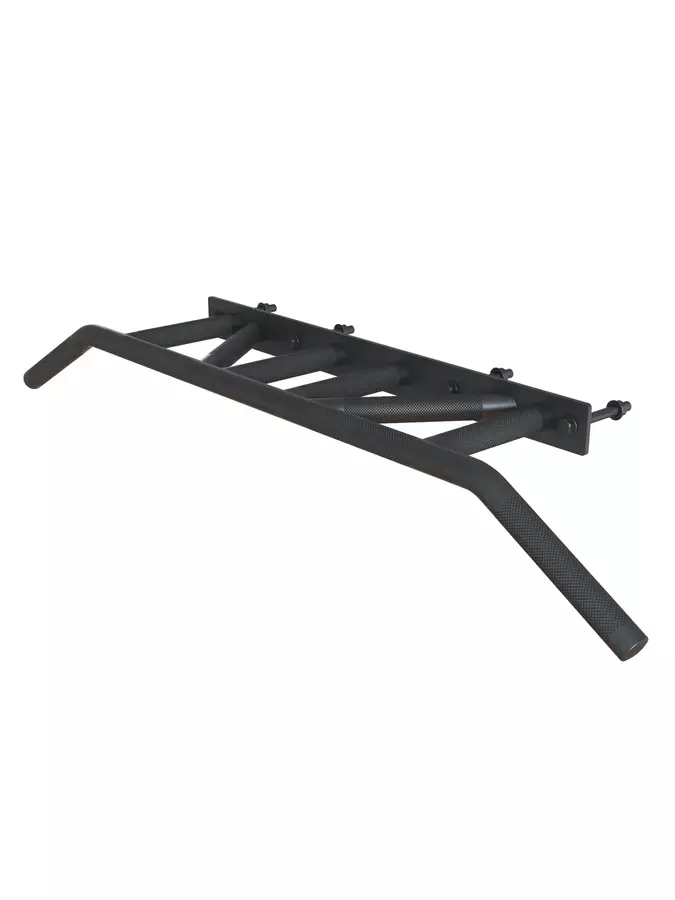
Het belangrijkste bij deze oefening is de trekbaan. Wil je de stang tot onder je borst brengen, dan moet je een C-vormige baan volgen.. Trek niet recht verticaal omhoog (behalve bij de progressie tot de bovenste borst): je moet onder een lichte hoek naar achteren trekken, zodat je om de stang heen komt
Core and body tension: the overhang unlock
Body tension is the single quality that separates climbers who fall off overhangs from those who stay glued to them. When the wall tilts past vertical, your core keeps your feet pressed into holds instead of cutting loose. Calisthenics trains this better than almost anything, because bodyweight holds demand full-body rigidity under load.
Build the tension progression in order, and do not skip stages:
- Master the hollow body hold until you can hold it for 60 controlled seconds.
- Progress to hanging leg raises to add the shoulder and grip demand of hanging tension.
- Move to the L-sit to train compression strength that transfers to high feet.
- Graduate to front lever raises, the most climbing-specific tension builder there is.
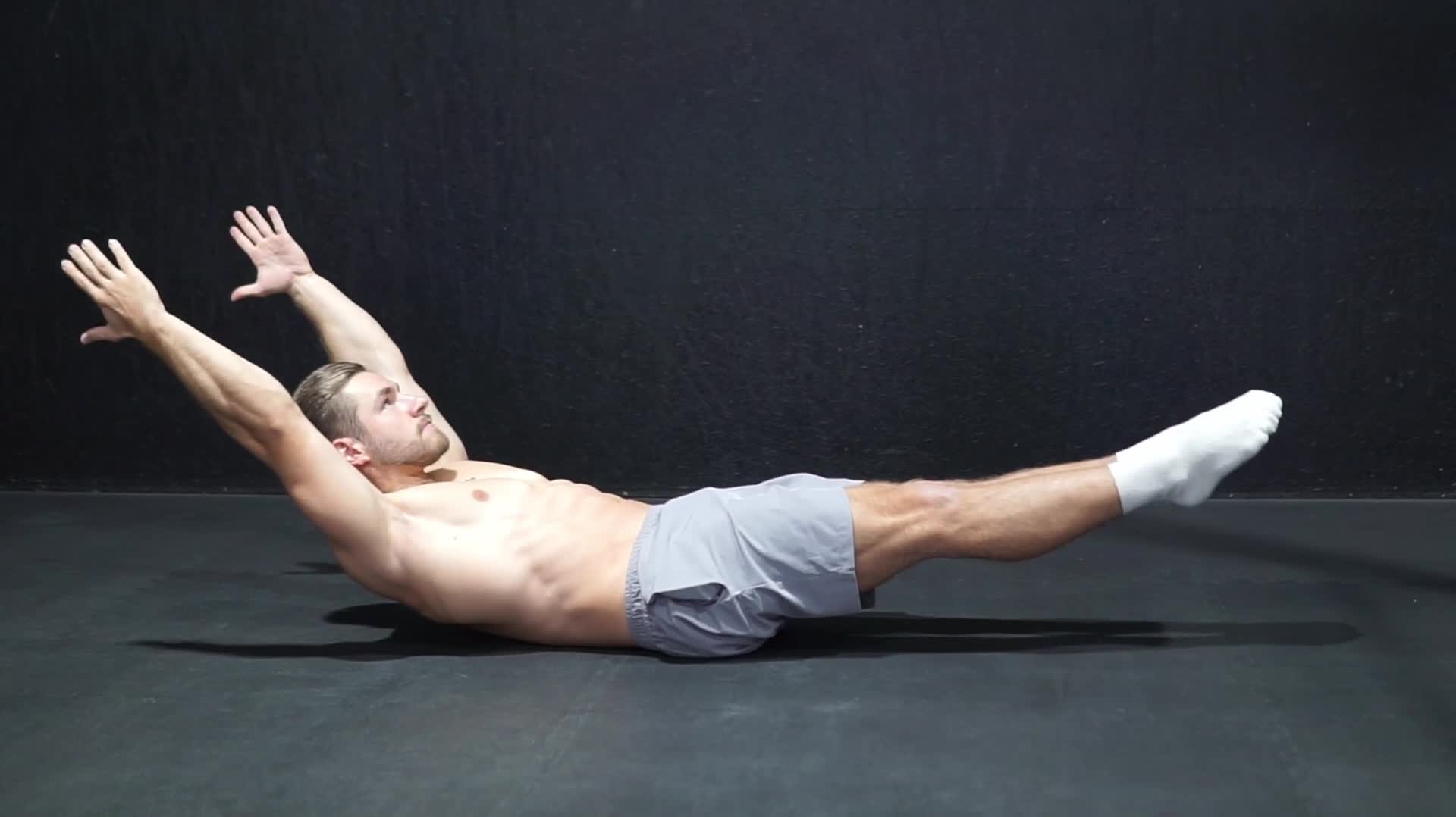
Hollow body progressies
Ga op je rug liggen met je armen gestrekt boven je hoofd en je benen recht. Duw je onderrug stevig in de grond: er mag geen ruimte tussen je rug en de vloer zitten
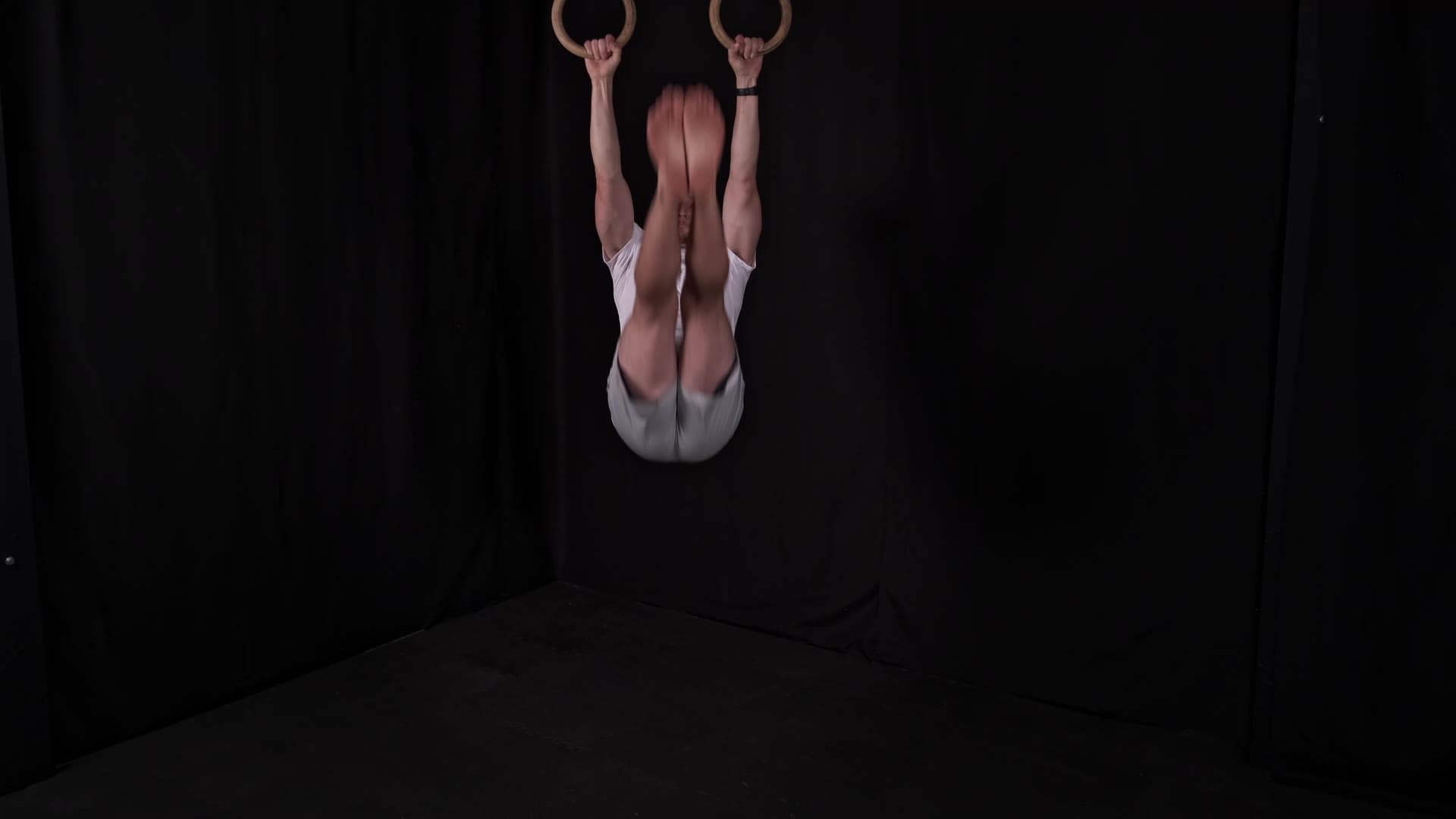
Hanging leg raise progressies
Hang aan een rekstok of ringen met een bovenhandse greep op schouderbreedte: armen volledig gestrekt, schouders actief (geen passieve hang). Trek je schouderbladen iets omlaag en naar achteren: dat stabiliseert je bovenlichaam en voorkomt te veel zwaaien
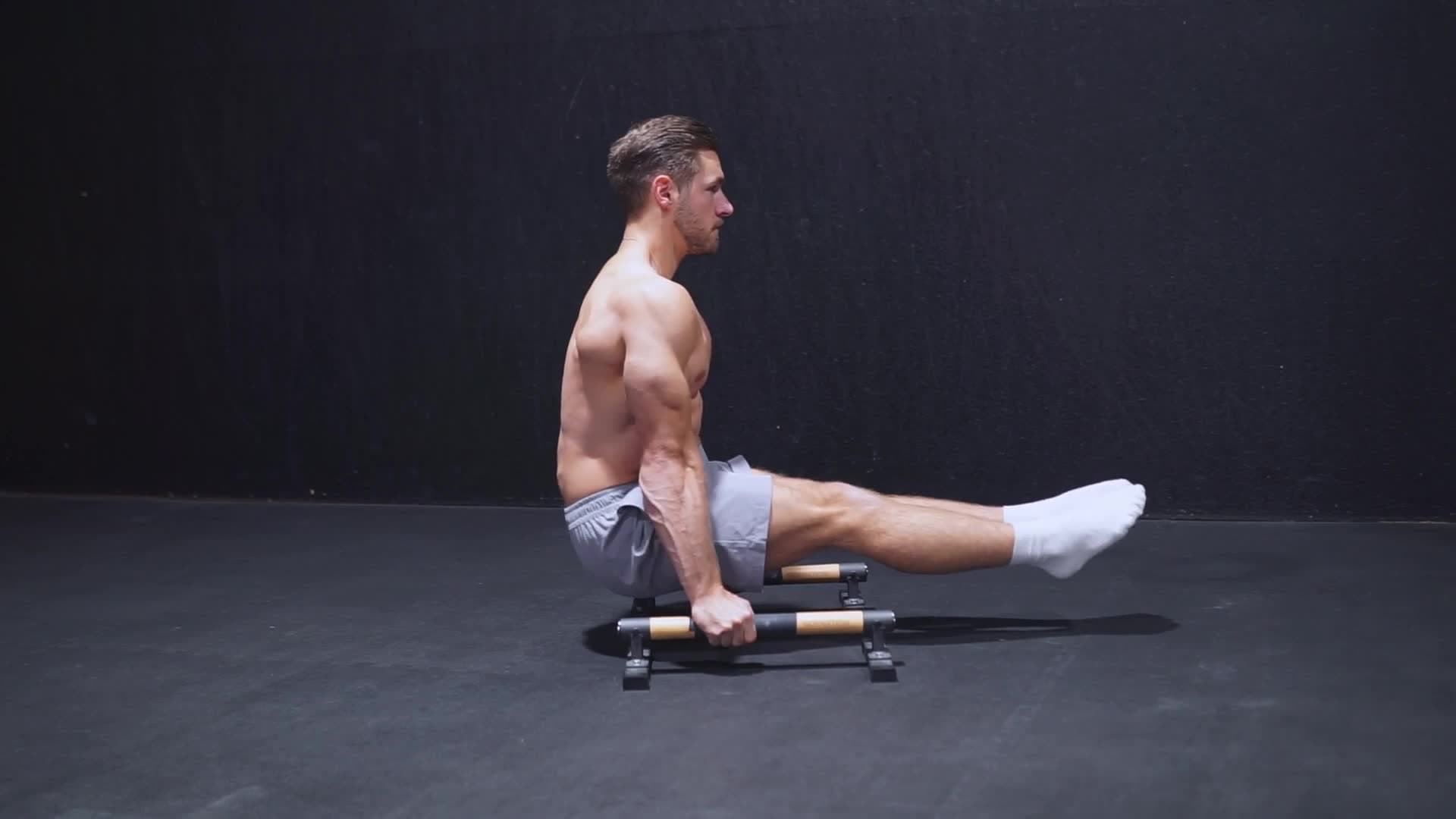
L-sit progressies
Zet je handen op de vloer of op parallettes naast je heupen: vingers naar voren, armen volledig gestrekt met je ellebogen op slot. Duw je schouderbladen actief omlaag: zo maak je de ruimte die je nodig hebt om je benen op te tillen
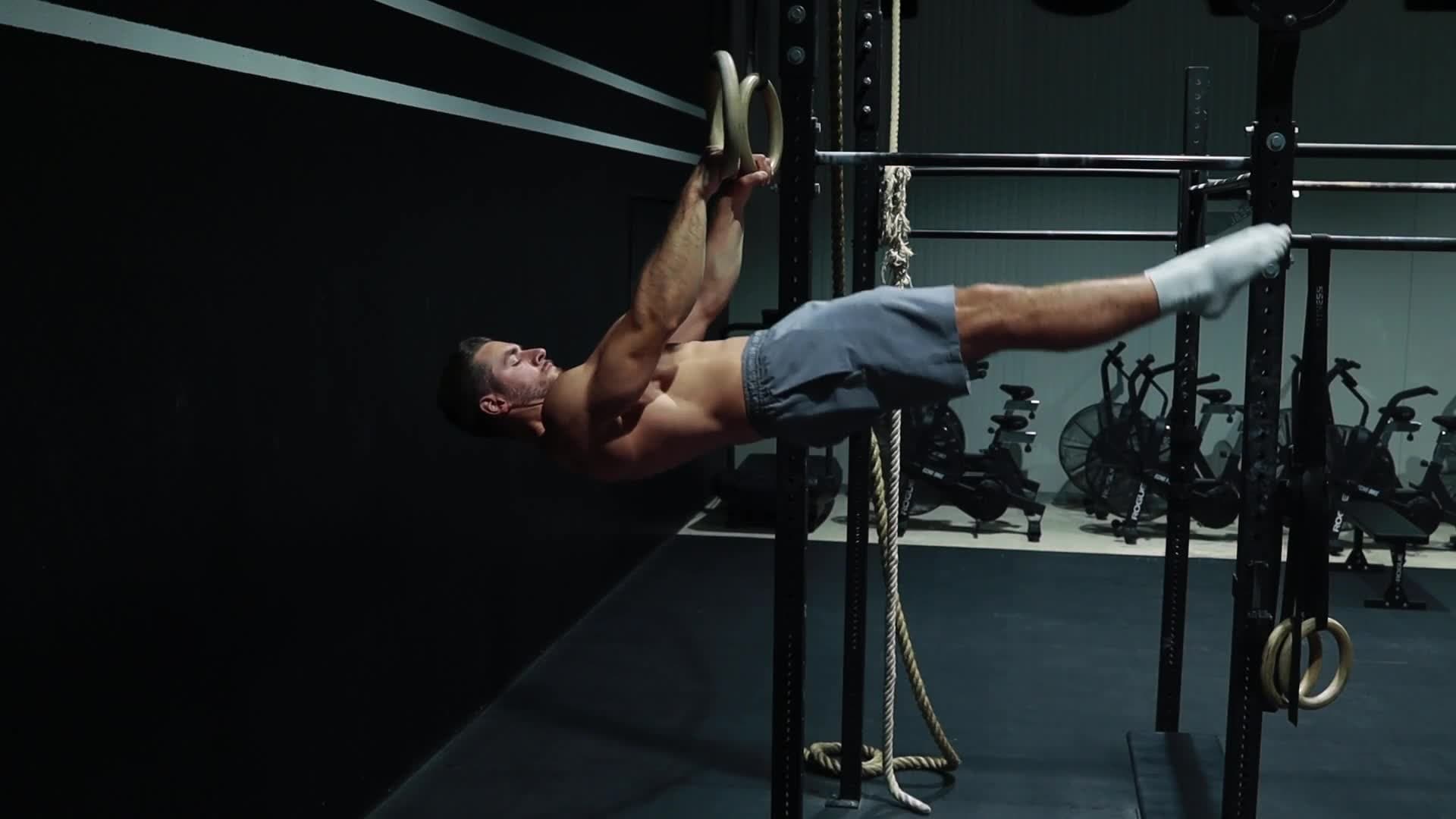
Front lever raise progressies
Begin vanuit een dead hang met volledig gestrekte armen en je schouderbladen actief omlaag en naar elkaar. Houd je armen volledig gestrekt en je ellebogen op slot gedurende de hele beweging: elke buiging maakt er een pull-up variant van
Boulderers benefit most here. Steep problems live and die on tension, and a strong hollow position is what lets you hold a toe hook while your hands make the next move.
Skills worth chasing: front lever and muscle up
Two calisthenics skills earn their reputation with climbers, for different reasons. The muscle up trains explosive upward pulling and the transition from pull to press, which is exactly what a hard top-out or a powerful lock-off feels like. Gripped Magazine describes it as one of the best calisthenics movements for climbing precisely because it recruits the lats through a full upward pull.
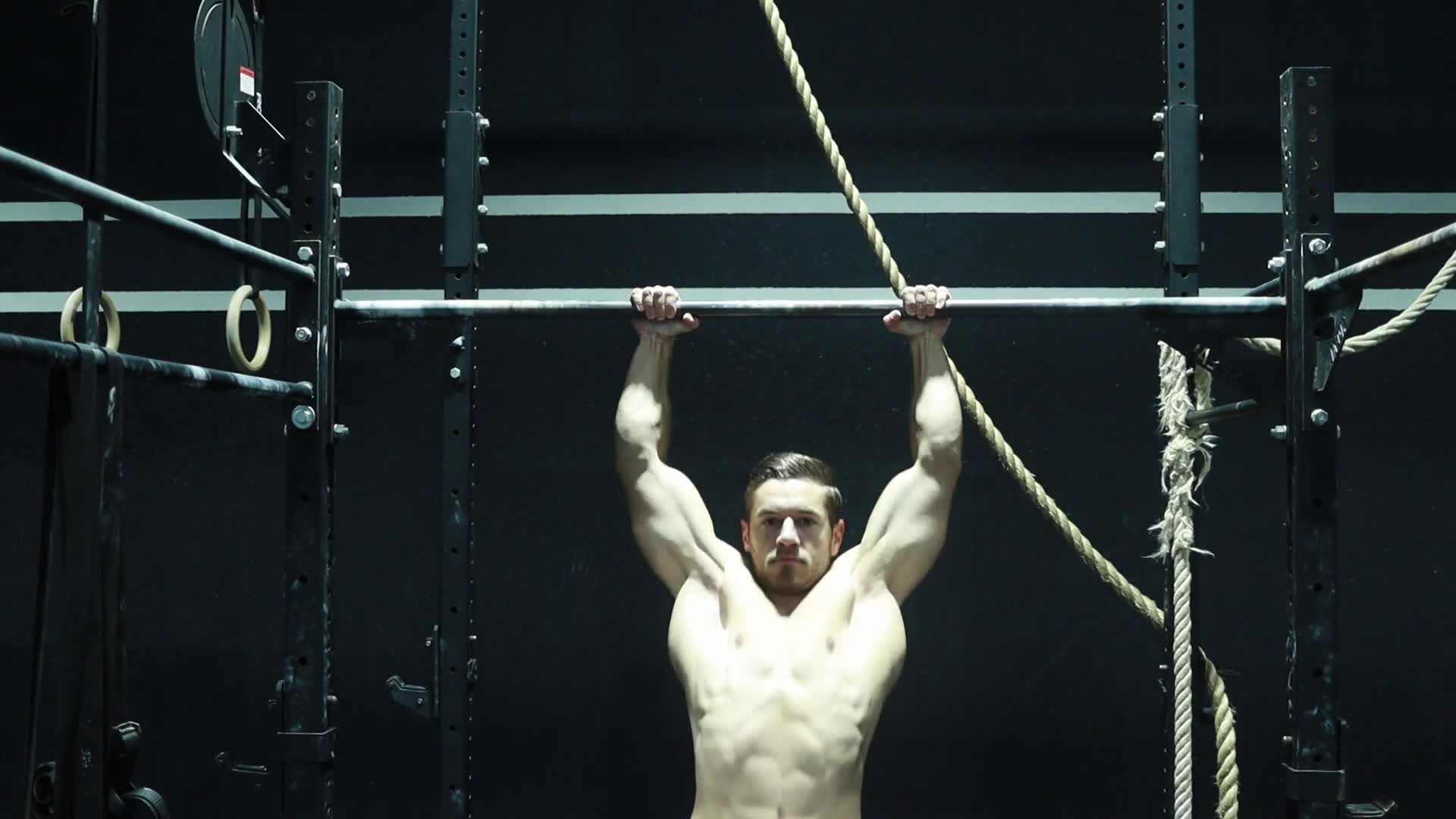
Muscle up progressies
Ga achter de stang staan. Spring naar de stang zodat je naar voren zwaait, in een licht gewelfde houding
The front lever is a phenomenal builder of straight-arm tension and shoulder stability, and it is a genuinely worthy goal. Treat it as aspirational, not mandatory. Chasing it too early steals recovery from your climbing and rarely pays off for beginners. Approach it as a structured skill with ordered stages rather than a single hold you grind at.
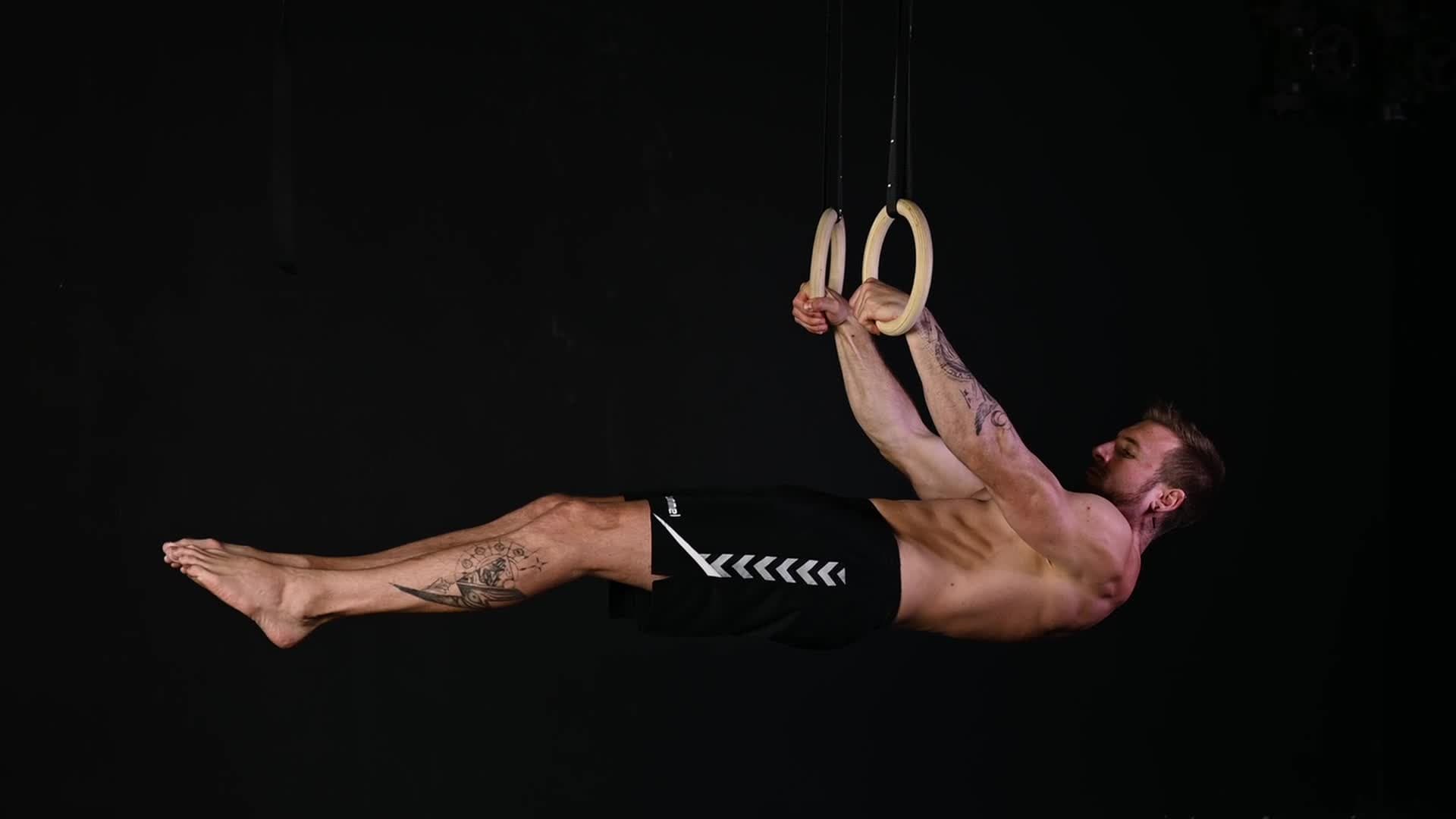
Progressies Front Lever
Trek je schouderbladen actief omlaag, weg van je oren; dat is de basis van een sterke front lever-positie. Trek je schouderbladen naar elkaar toe alsof je er een munt tussen knijpt; combineer omlaag en naar elkaar voor een stabiele schouderbasis
Both skills reward patience. Build the tension and pulling base first, then let the skills come as expressions of that strength rather than goals you force. A useful rule of thumb: if a skill move leaves you unable to climb the next day, it is too advanced for where you are right now.
Grip, forearms, and the boulderer's lower body
Grip endurance and lower-body strength are the two areas climbers most often leave on the table. Your forearms decide how long you last before the pump ends your session, and your legs decide how well you generate and absorb force on dynamic moves.
- Dead-hang progressions build the passive grip endurance that delays forearm pump on long routes and repeated boulder attempts.
- Pistol squat progressions develop the single-leg strength that powers you up on high steps and rock-overs.
- Cossack squat progressions open the hips and build lateral strength for wide stems, drop knees, and controlled landings.
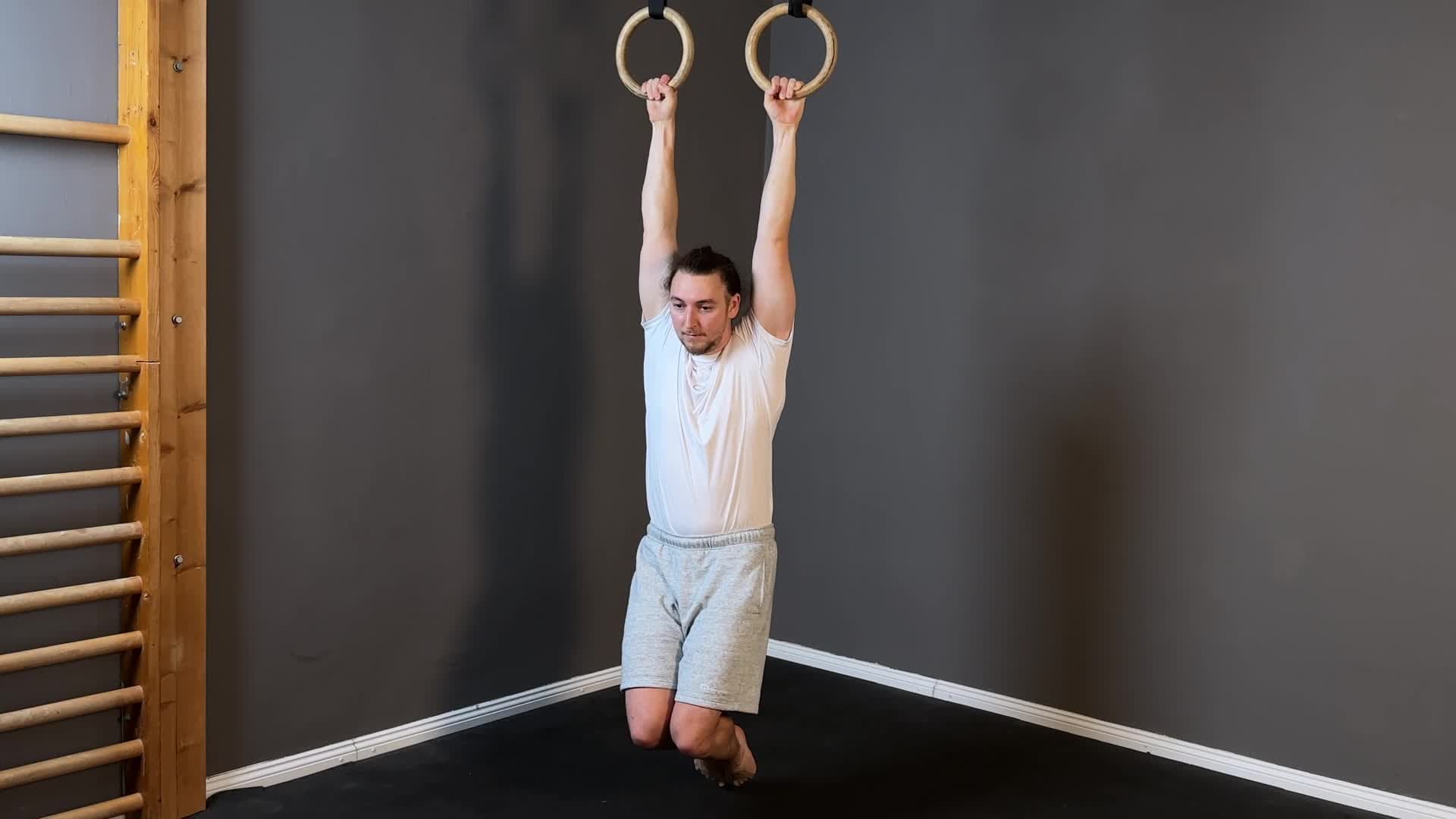
Deadhang progressies
Pak de stang of ringen met een bovengreep op schouderbreedte, met je duim eromheen. Stap van een box in de hang, spring er niet in
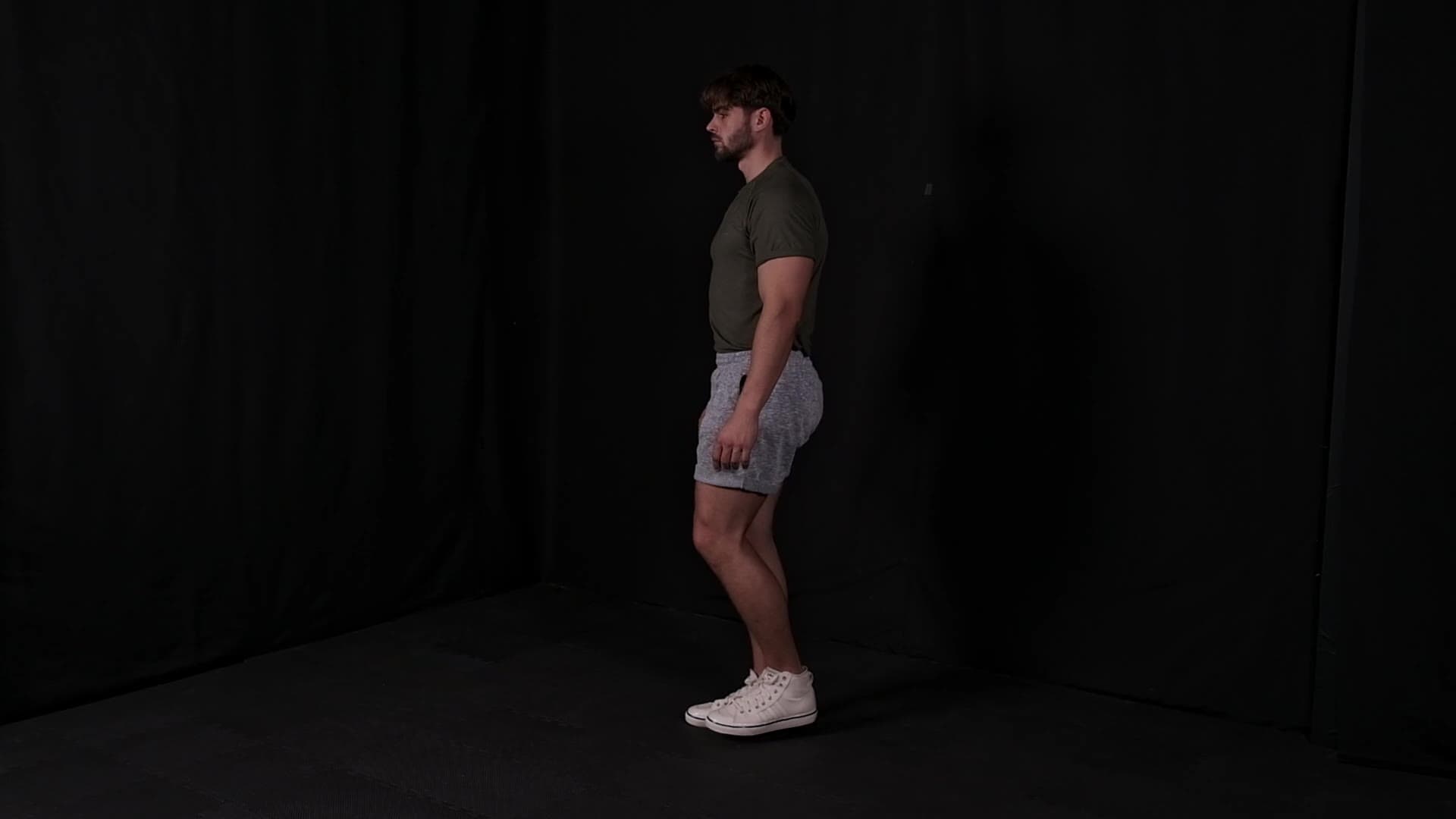
Pistol squat progressies
Ga op één been staan met je voeten op heupbreedte: til je andere been op en strek het recht naar voren. Strek je armen naar voren als tegenwicht: dat is cruciaal om rechtop te blijven
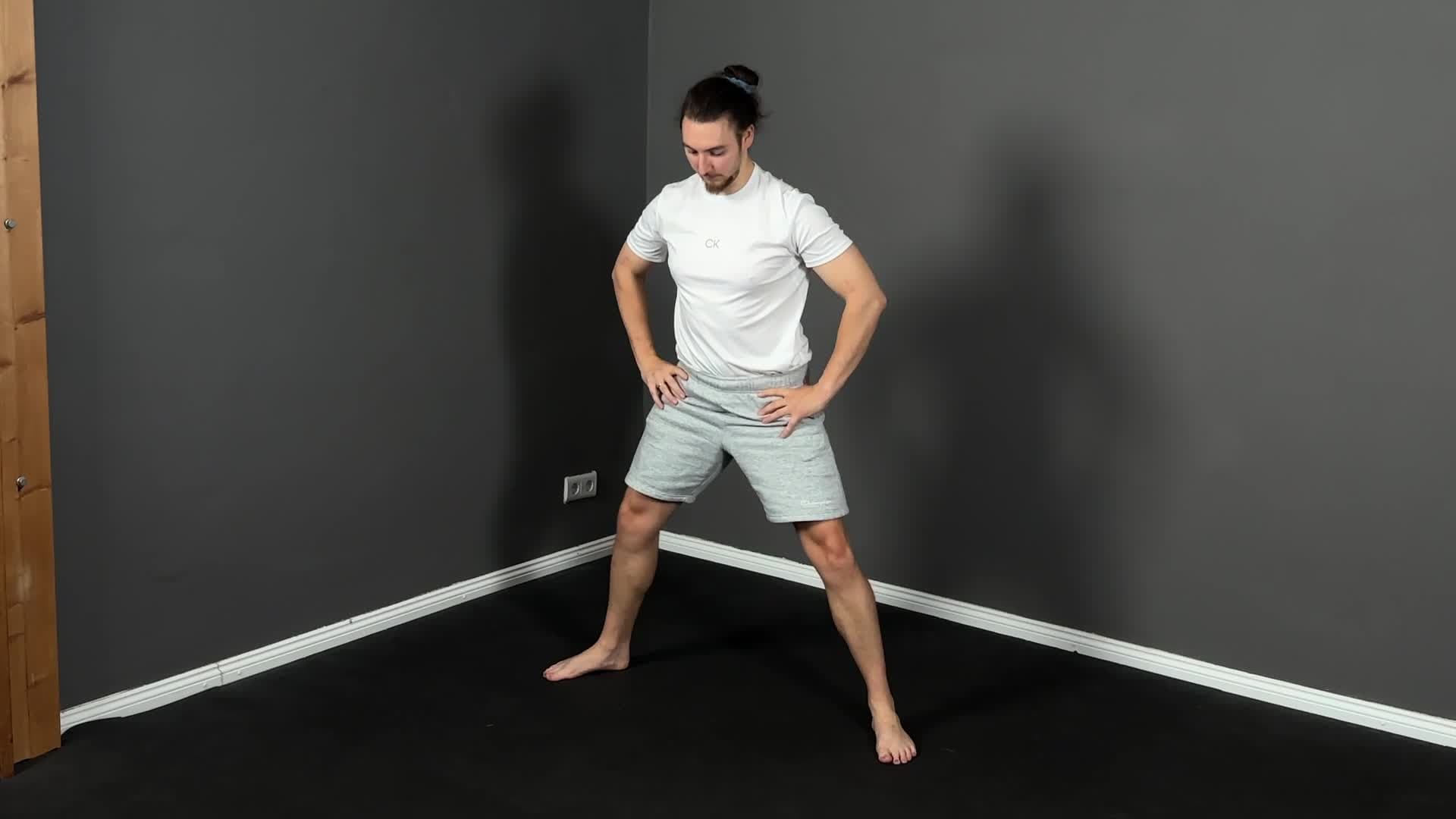
Progressies cossack squat
Begin met een brede stand, je voeten flink wijder dan schouderbreedte. Verplaats je gewicht naar één been terwijl je in de squat zakt
Boulderers in particular should not neglect the legs. A controlled landing off a tall problem depends on single-leg strength and hip mobility, and the same qualities let you commit to big moves knowing you can absorb the swing. Dead-hangs also double as active recovery, keeping the forearms conditioned without adding pulling volume. Treat grip endurance as a long game: it responds to frequent, submaximal exposure far better than to occasional maximal efforts.
A simple weekly plan that respects climbing
The best calisthenics plan for a climber protects your climbing, it does not compete with it. Slot two to three short sessions around your climbing days: keep prehab and core work light and frequent, and save the heavier pushing and skill practice for rest days when recovery is not a concern.
| Day | Climbing | Calisthenics focus |
|---|---|---|
| Monday | Bouldering session | Prehab: wrist extensors, face pulls (10 min after) |
| Tuesday | Rest | Push and skill: dips, muscle up work, hollow body |
| Wednesday | Rest | Full rest or mobility |
| Thursday | Lead or boulder | Core tension: hanging leg raises, L-sit (10 min after) |
| Friday | Rest | Push and lower body: push-ups, pistol squats |
| Saturday | Project session | None, climb hard |
| Sunday | Rest | Front lever practice, dead-hangs |
Two proven starting points sit inside the app. Use a structured pull session to build controlled pulling strength, and an upper-body mobility routine to keep the shoulders healthy between climbs.
Beginner to Advanced Pull Workout
7 oefeningen · ~50 min
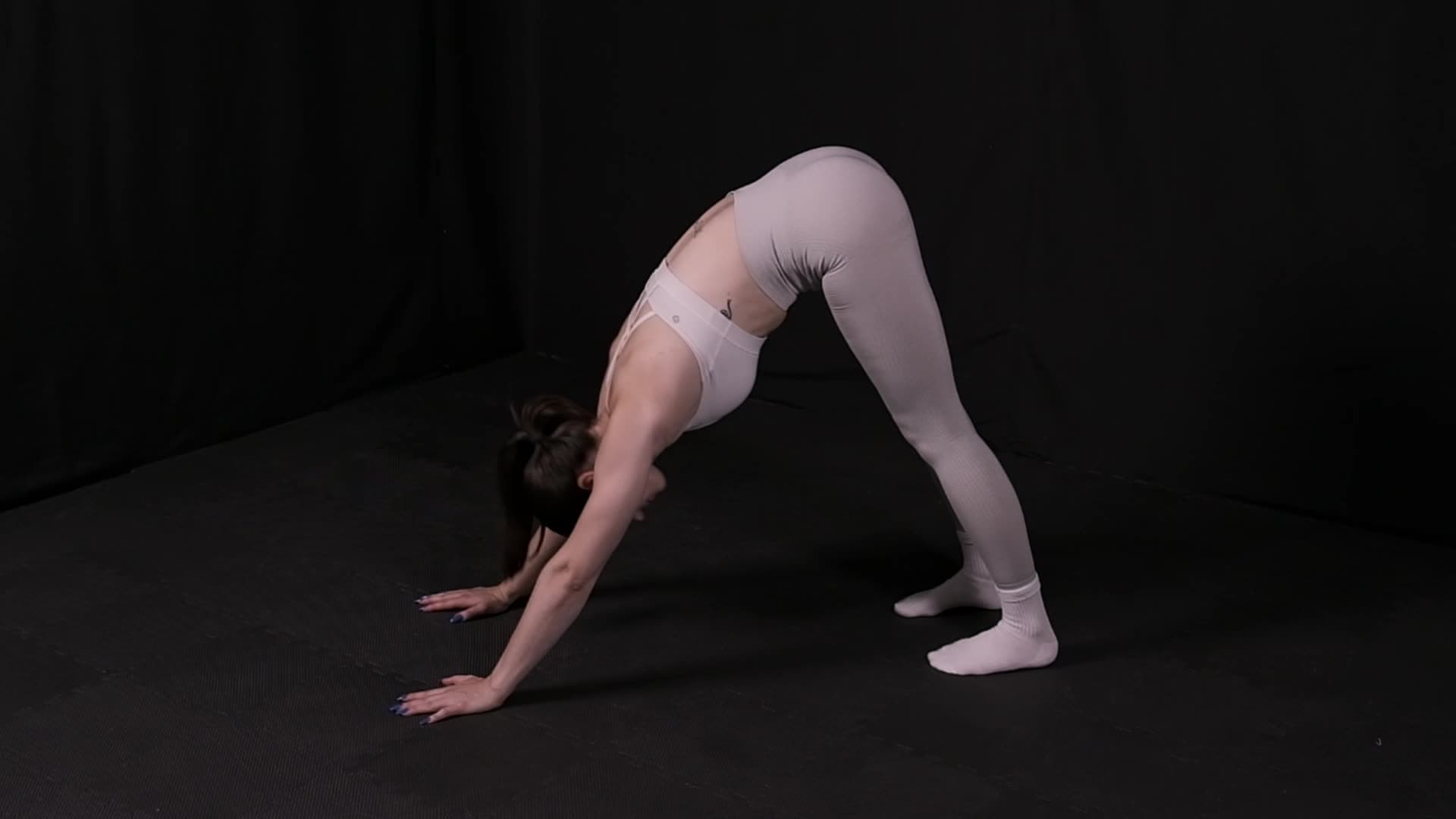
Upper-Body Mobility Routine
4 oefeningen · ~18 min
Keep every session short and the intensity honest. If your calisthenics is leaving you too sore to climb well, cut the volume. You can start your free calisthenics plan and let it structure the progression around your climbing schedule.
Frequently asked questions
Is calisthenics good for climbing?
Yes, as a complement. It builds pulling power, core tension, and, crucially, the antagonist and shoulder strength climbing neglects. It does not replace time on the wall or finger-specific training, but it makes you more resilient and powerful when you climb.
Do you need a front lever to climb hard?
No. Plenty of climbers send V14 and 5.15 without one. The front lever is a superb tension and shoulder builder and a worthy goal, but it is aspirational, not a requirement. Prioritise core tension, antagonist balance, and climbing itself first.
Can calisthenics replace hangboarding?
Not entirely. Dead-hang progressions build useful grip endurance, but maximal finger strength still needs targeted, progressive hangboard or edge protocols. Use calisthenics for the surrounding strength and injury prevention, and keep dedicated finger training separate.
How many times a week should climbers do calisthenics?
Two to three short sessions is plenty. Put prehab and core work on climbing days and save heavier pushing and skill practice for rest days. Volume that eats into climbing recovery costs you more than it gives.
How do climbers train antagonist muscles?
With pushing and rotation work climbing skips: push-up and dip progressions, wrist extensor curls, face pulls, and external rotation drills. These rebalance the finger flexor-to-extensor ratio and protect the elbows and shoulders that heavy climbing overloads.
Stop guessing which exercises help you climb harder. Simple Calisthenics builds a structured plan around your goals, from your first clean push-up to a full front lever, and progresses it as you get stronger.
Gratis proberenFAQ
- Is calisthenics good for climbing?
- Yes, as a complement. It builds pulling power, core tension, and, crucially, the antagonist and shoulder strength climbing neglects. It does not replace time on the wall or finger-specific training, but it makes you more resilient and powerful when you climb.
- Do you need a front lever to climb hard?
- No. Plenty of climbers send V14 and 5.15 without one. The front lever is a superb tension and shoulder builder and a worthy goal, but it is aspirational, not a requirement. Prioritise core tension, antagonist balance, and climbing itself first.
- Can calisthenics replace hangboarding?
- Not entirely. Dead-hang progressions build useful grip endurance, but maximal finger strength still needs targeted, progressive hangboard or edge protocols. Use calisthenics for the surrounding strength and injury prevention, and keep dedicated finger training separate.
- How many times a week should climbers do calisthenics?
- Two to three short sessions is plenty. Put prehab and core work on climbing days and save heavier pushing and skill practice for rest days. Volume that eats into climbing recovery costs you more than it gives.
- How do climbers train antagonist muscles?
- With pushing and rotation work climbing skips: push-up and dip progressions, wrist extensor curls, face pulls, and external rotation drills. These rebalance the finger flexor-to-extensor ratio and protect the elbows and shoulders that heavy climbing overloads.