The Reddit Recommended Routine: A Complete Guide
What the Reddit Recommended Routine is, where it came from, who it's for, and how to actually follow it.
The Reddit Recommended Routine is the single most recommended starting point in bodyweight training, and for good reason. It is free, it is structured, and it turns a beginner with a pull-up bar into someone with a real strength base.
What is the Reddit Recommended Routine?
The Reddit Recommended Routine is a free, full-body calisthenics program built and maintained by the r/bodyweightfitness community. It is the default answer that subreddit gives to the most common question it receives: "I'm new, where do I start?"
You train three days a week, for roughly an hour per session, using almost no equipment. The only hardware the routine assumes is something to pull on (a pull-up bar or gymnastic rings) and something to dip on. Everything else is your own bodyweight.
What makes it a program rather than a random list of exercises is its logic. Every movement is a compound movement that trains multiple muscle groups at once, the exercises are paired so you rest one pattern while you train its opposite, and each exercise has a ladder of progressions so the same routine works whether this is week one or week fifty. You can start the full workout in one tap below.

Reddit's Recommended Routine
Full-body Workout
19 exercises · ~67 min
Where the Recommended Routine came from
The routine is not a marketing product or an influencer's brand. It grew out of the r/bodyweightfitness community around 2012 and was substantially revised in 2016 into the paired-superset format most people follow today.
Its design leans heavily on the principles in Steven Low's Overcoming Gravity, a reference text on bodyweight strength and gymnastics-style training. That lineage matters: the exercise selection, the rep ranges, and the progression model are drawn from established strength-training theory, not guesswork. It is a considered program that thousands of people have run and stress-tested in the open.
Because the community maintains it, the routine stays current and the reasoning behind every choice is documented in the subreddit wiki. When you follow the RR, you are following a maintained community standard rather than a routine that will vanish when a creator moves on. That is a large part of why it has stayed the default recommendation for more than a decade.
How the routine is structured
The Recommended Routine is built from a warm-up, three antagonist supersets, and a core triplet. Antagonist pairing is the key idea: you alternate two opposing movements so one muscle group recovers while the other works, which keeps a full-body session inside an hour without long idle rest.
Start every session with 5 to 10 minutes of warm-up: shoulder dislocates, wrist prep, squat reaches, and the support and hang holds the routine builds toward. Then work the three pairs below for 3 sets of 5 to 8 reps each, resting around 90 seconds between sets.
| Superset | Movement A | Movement B | Sets x reps | Rest |
|---|---|---|---|---|
| Pair 1 | Pull-up | Squat | 3 x 5 to 8 | ~90 s |
| Pair 2 | Dip | Hinge (leg curl) | 3 x 5 to 8 | ~90 s |
| Pair 3 | Row | Push-up | 3 x 5 to 8 | ~90 s |
The pull is the classic vertical pull. See the full pull-up progressions for scaling it up or down.
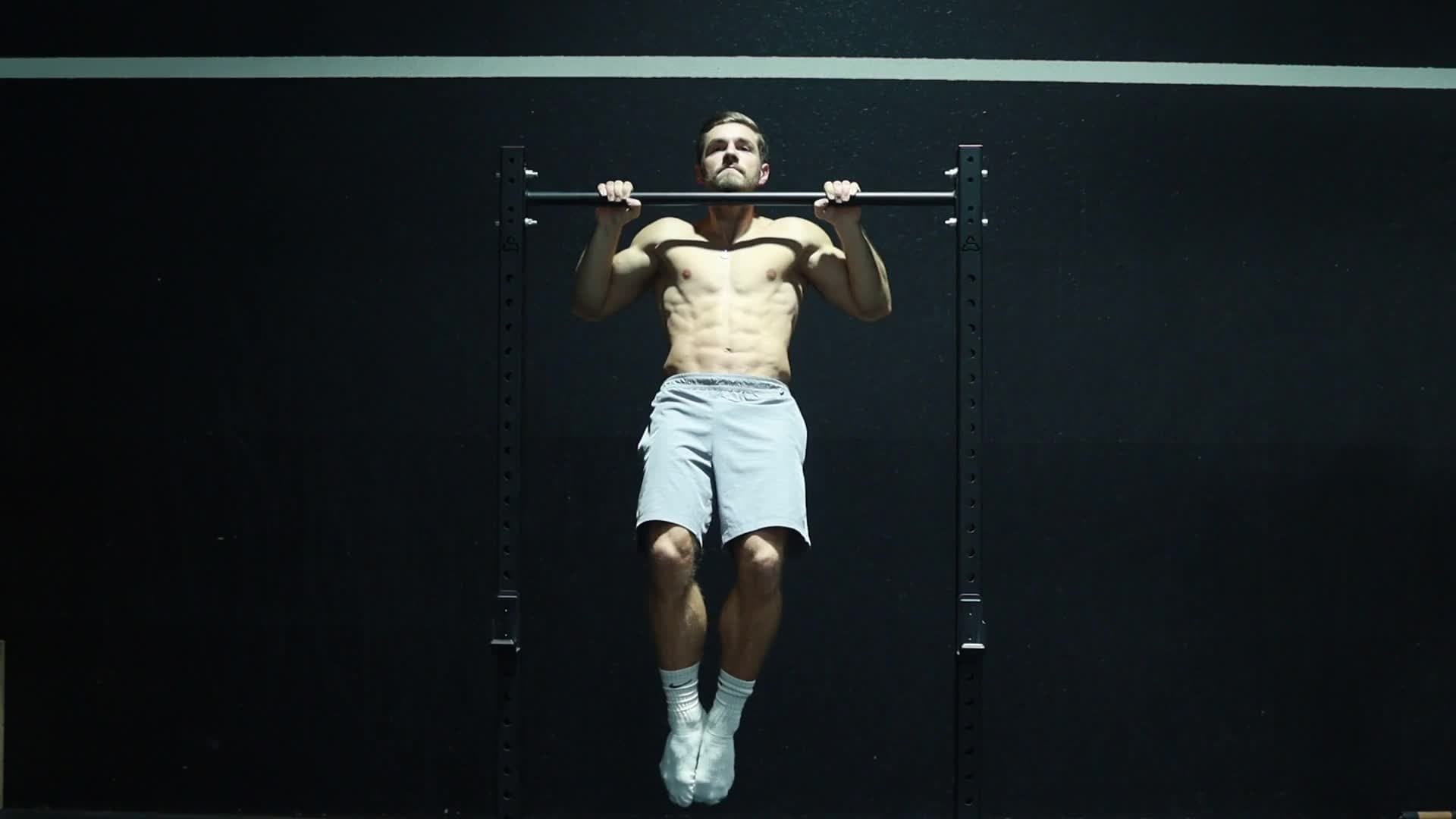
Pull Up Progressions
Start from a dead hang with arms fully extended: use a shoulder-width overhand (pronated) grip. Initiate by depressing and retracting the shoulder blades (scapular pull) before bending the arms
The squat covers the knee-dominant leg pattern, progressing from assisted squats toward single-leg variations.
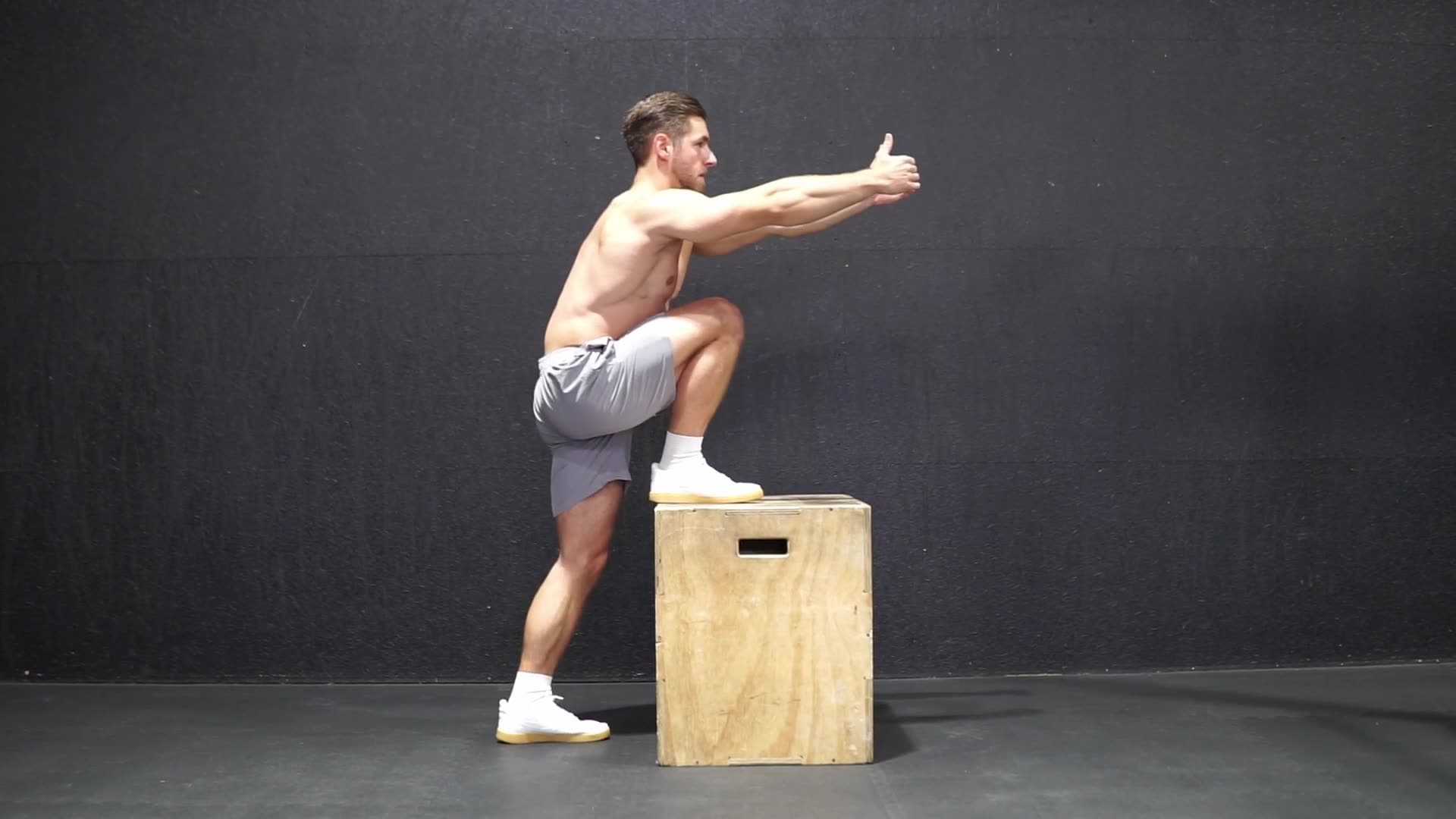
Unilateral Bodyweight Squat Progressions
Stand on one leg with the other leg slightly lifted off the ground: extend your arms forward for balance. Brace your core and keep your back straight throughout the movement
The dip is the vertical push, scaling from support holds and negatives up to full parallel-bar and ring dips. The full dip progressions map the ladder.
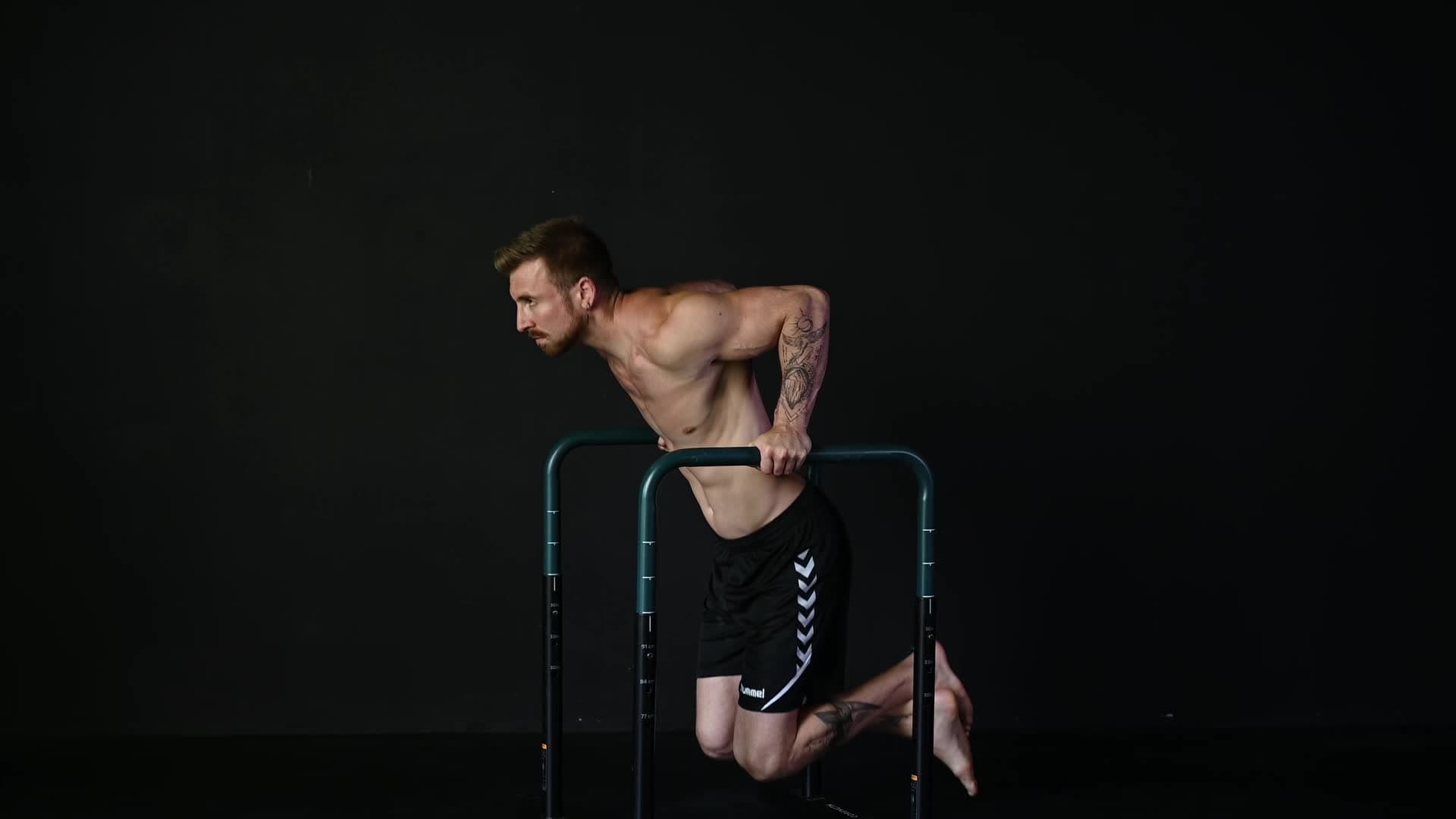
Dip Progressions
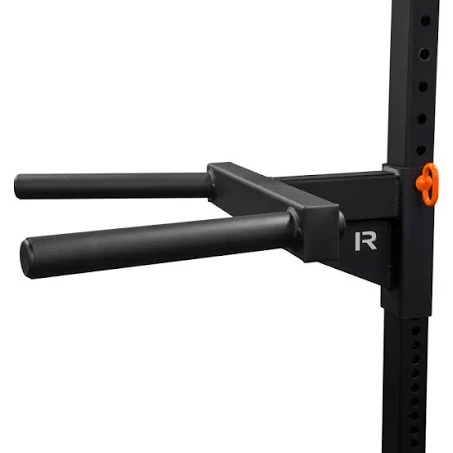
Move slowly with control. Get to 90° elbow angle or deeper, as long as you stay pain free
The hinge trains the posterior chain, moving from Romanian deadlifts toward the Nordic curl.
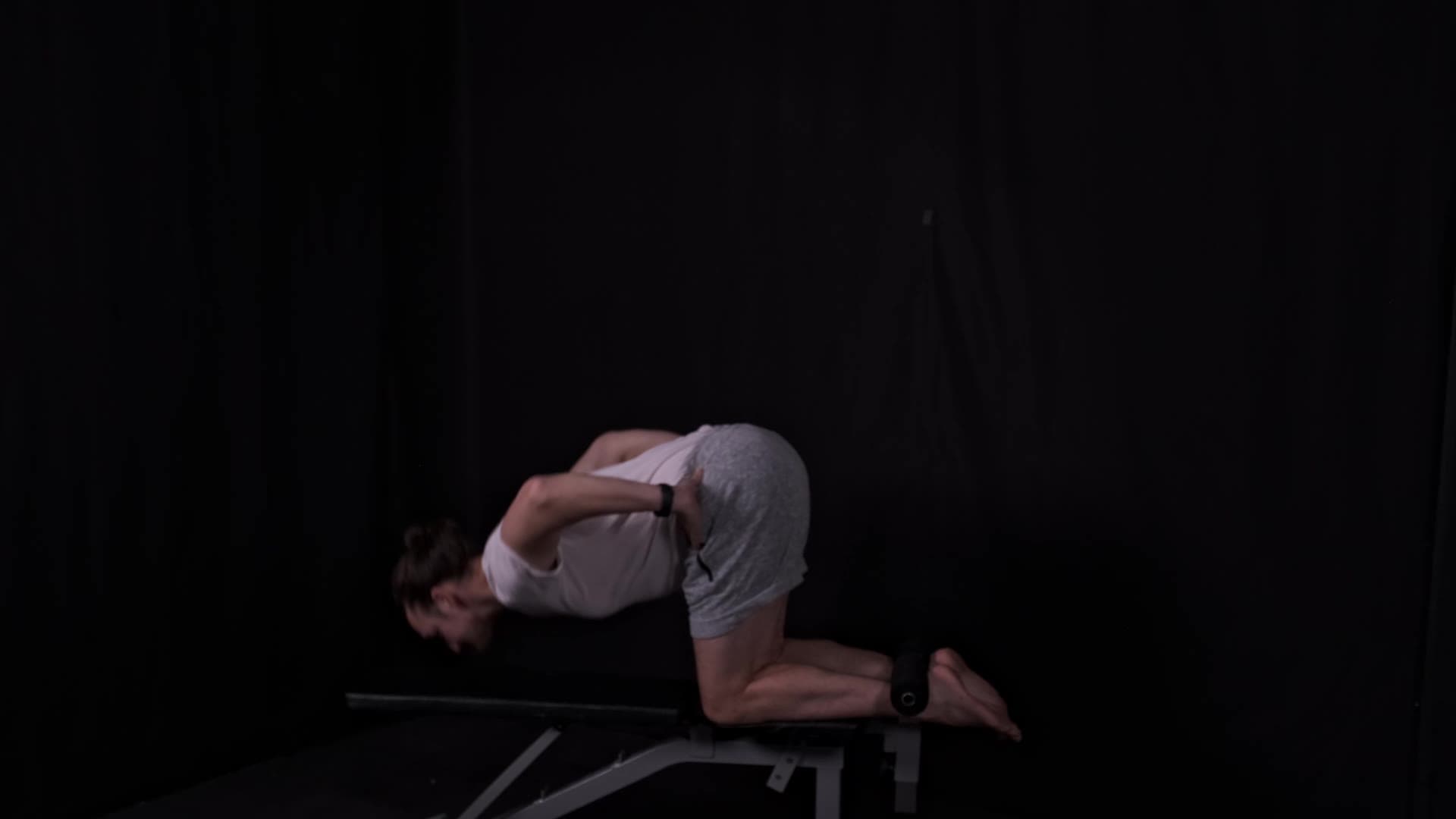
Nordic Curl Progressions
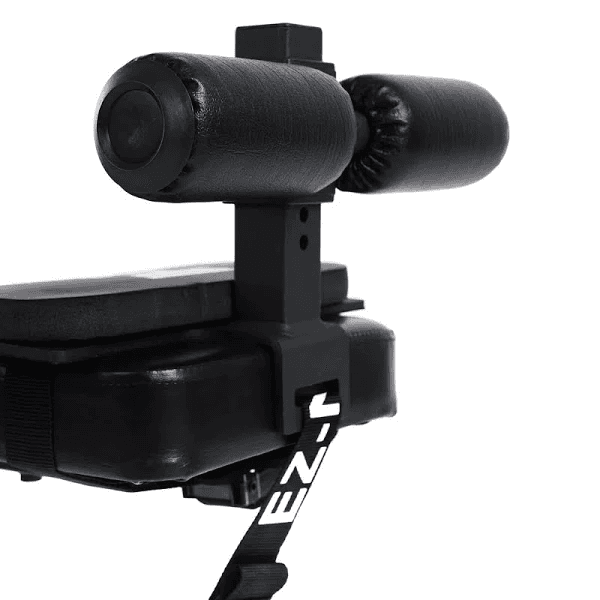
Secure your feet firmly under a sturdy ledge, loaded barbell, or have a partner hold your ankles. Kneel upright with your body in a rigid straight line from knees to head
The row is the horizontal pull. Start with the row progressions at an incline and work toward horizontal and archer rows.
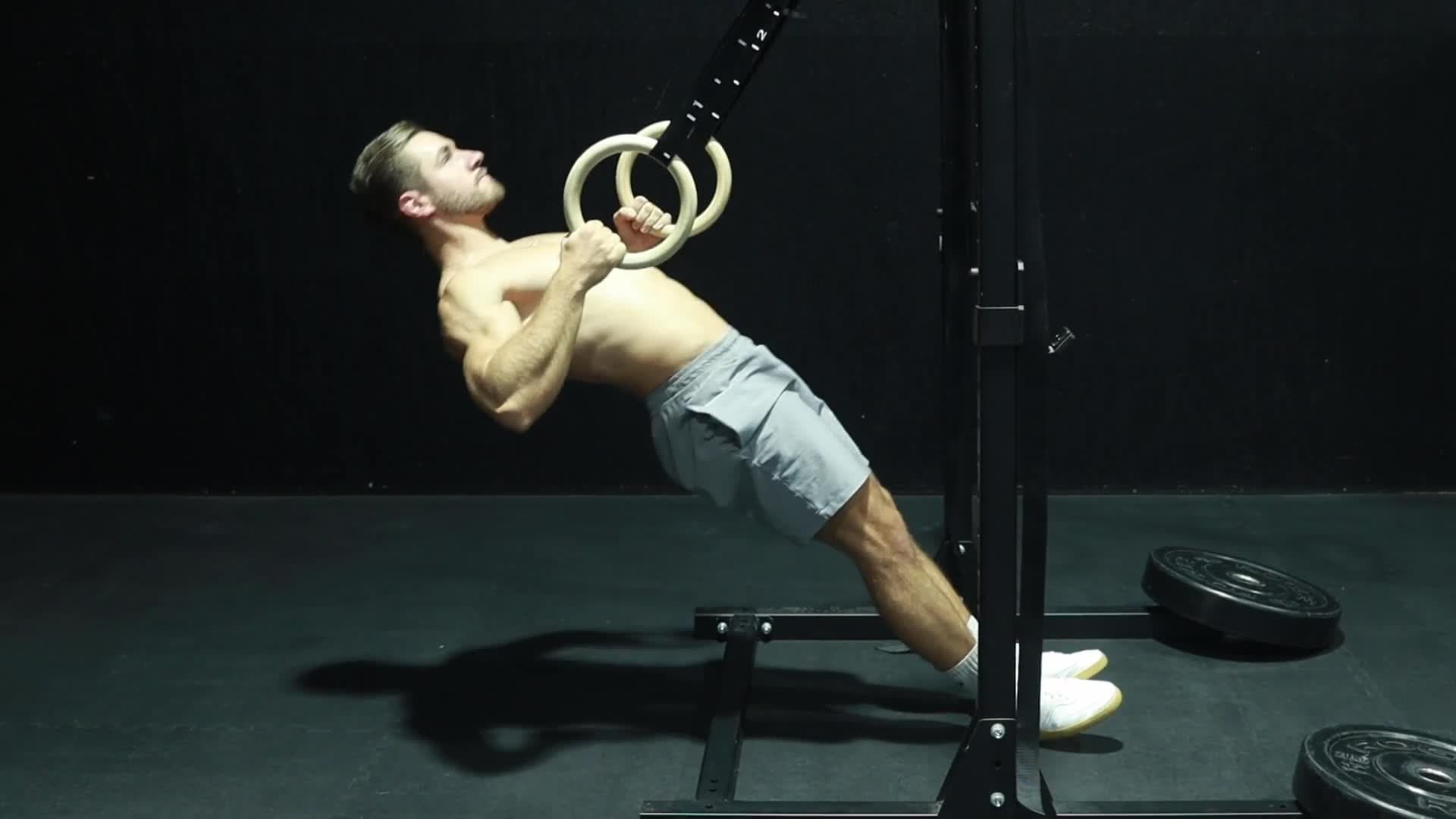
Row Progressions
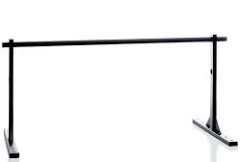
Grip the bar or rings with hands shoulder-width apart: use a pronated, supinated, or neutral grip based on preference. Before pulling, depress and retract the shoulder blades to pre-engage the back muscles: this is the most critical step
Finish with the core triplet: an anti-extension hold, an anti-rotation press, and an extension movement, cycled for three rounds of 8 to 12 reps with short rest.
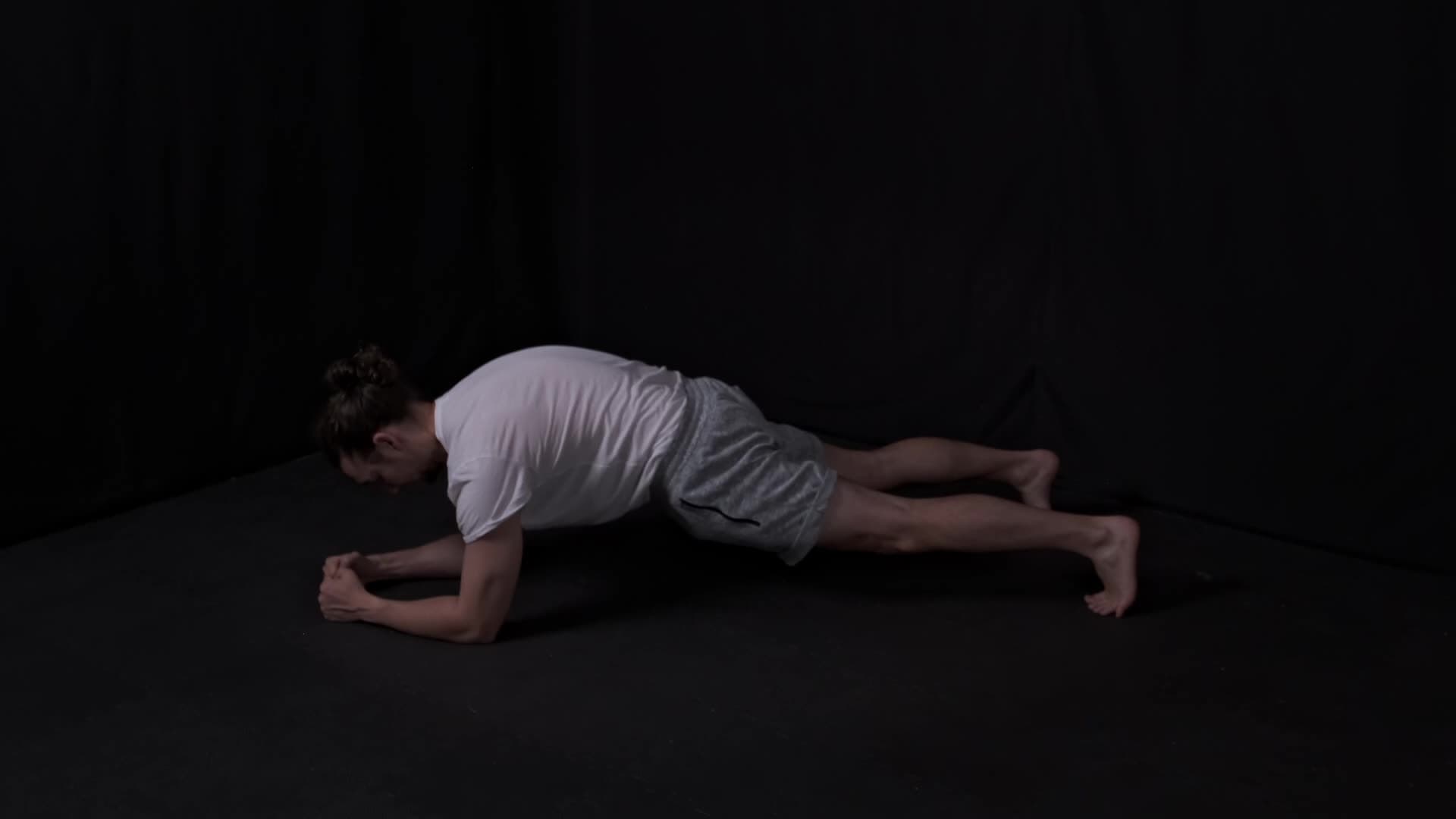
Elbow Plank Progressions
Place elbows directly under or slightly in front of the shoulders. Protract your shoulder blades (push the ground away) and depress your shoulders away from your ears
Palloff Press (Band)
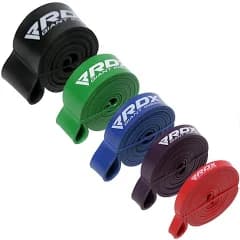
Stand sideways to the band anchor with feet shoulder-width apart: the band should pull horizontally toward the anchor point. Hold the band at chest height with both hands clasped together, elbows slightly bent
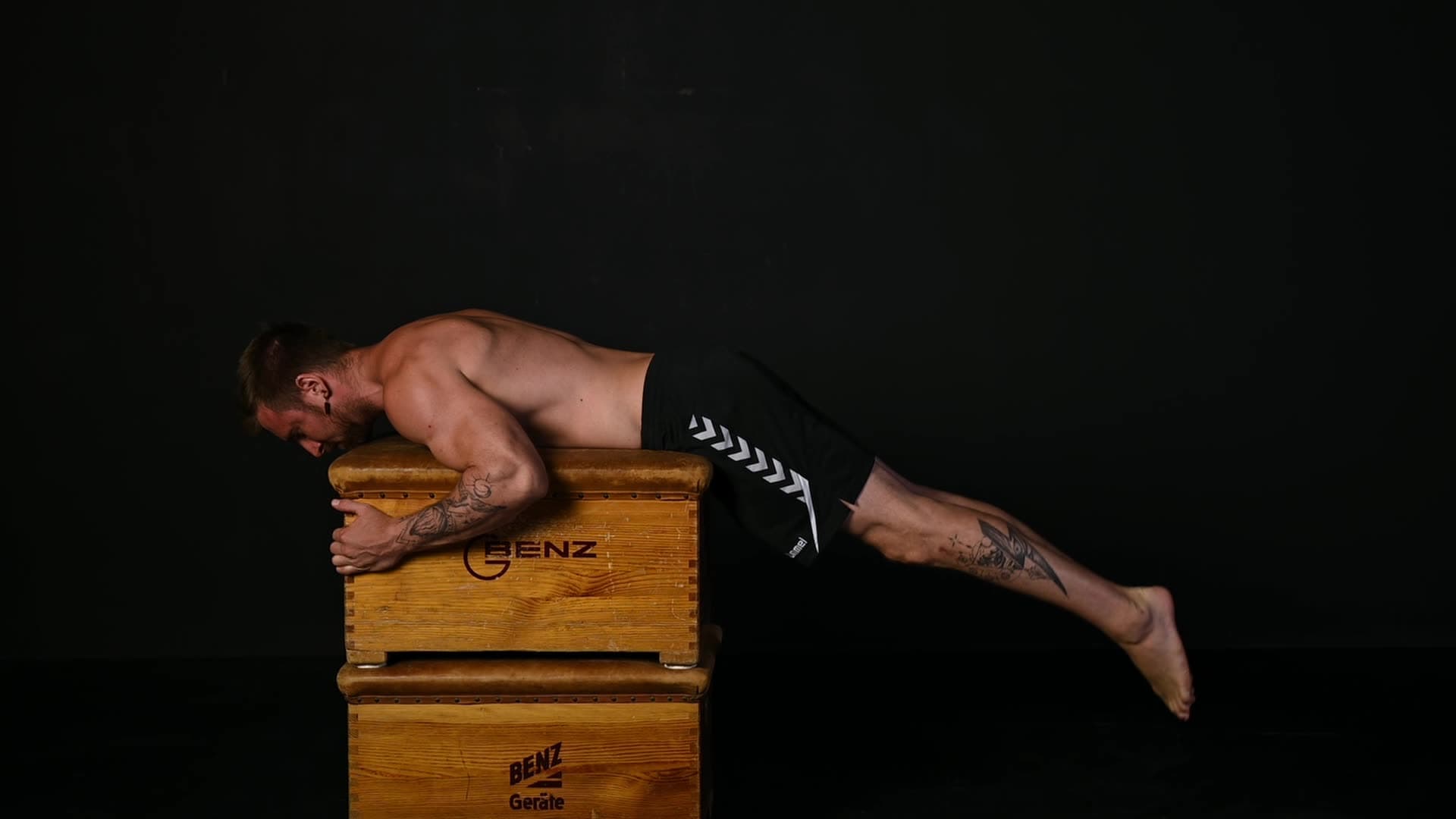
Reverse Hyper Progressions
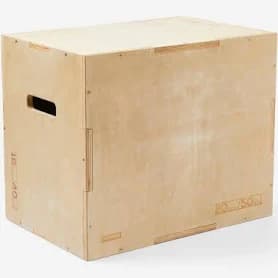
Lie face down on a bench, box, or table with your hips at the edge. Grip the sides of the bench firmly with your hands to stabilize your upper body
How progression works (the key idea)
This is the mechanic that makes the whole routine work: you do not add weight, you change the exercise. Instead of loading a bar, you swap the current movement for a harder variation of the same pattern. That is why one routine fits a rank beginner and an intermediate at the same time.
Here is the level-up rule, applied to every exercise independently:
- Pick the hardest variation you can do for 3 sets of 5 reps with clean form.
- Add reps each session, aiming to reach 3 sets of 8 across all three sets.
- Level up once you hit 3 x 8: move to the next-harder progression and reset to 3 x 5.
- Drop back if you cannot manage 3 x 5 on a variation: move to the easier one and rebuild.
The push-up is the clearest example of a full ladder, running from wall push-ups through incline, full, and diamond push-ups toward pseudo-planche work. Follow the push-up progressions to find your current step.
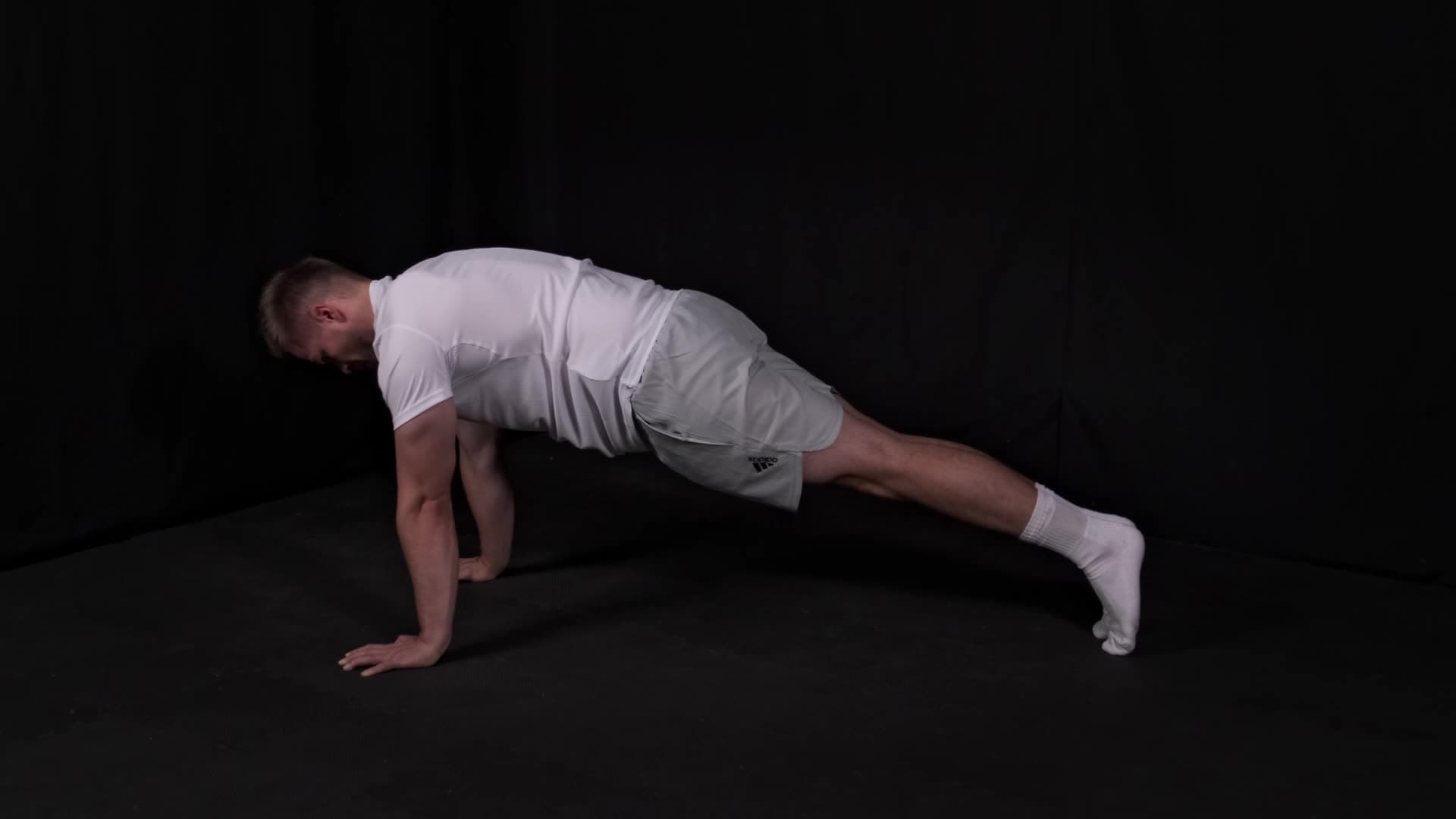
Push Up Progressions
Maintain a straight body line. Avoid the hips sinking down, or raising up too high
Hold your form standard through all of it: one second down, drive up, and stop one rep before failure. Grinding out ugly reps to force a level-up defeats the point. The early warm-up holds, like arch hangs and support holds, also progress this way and build the hanging strength the pulls depend on.
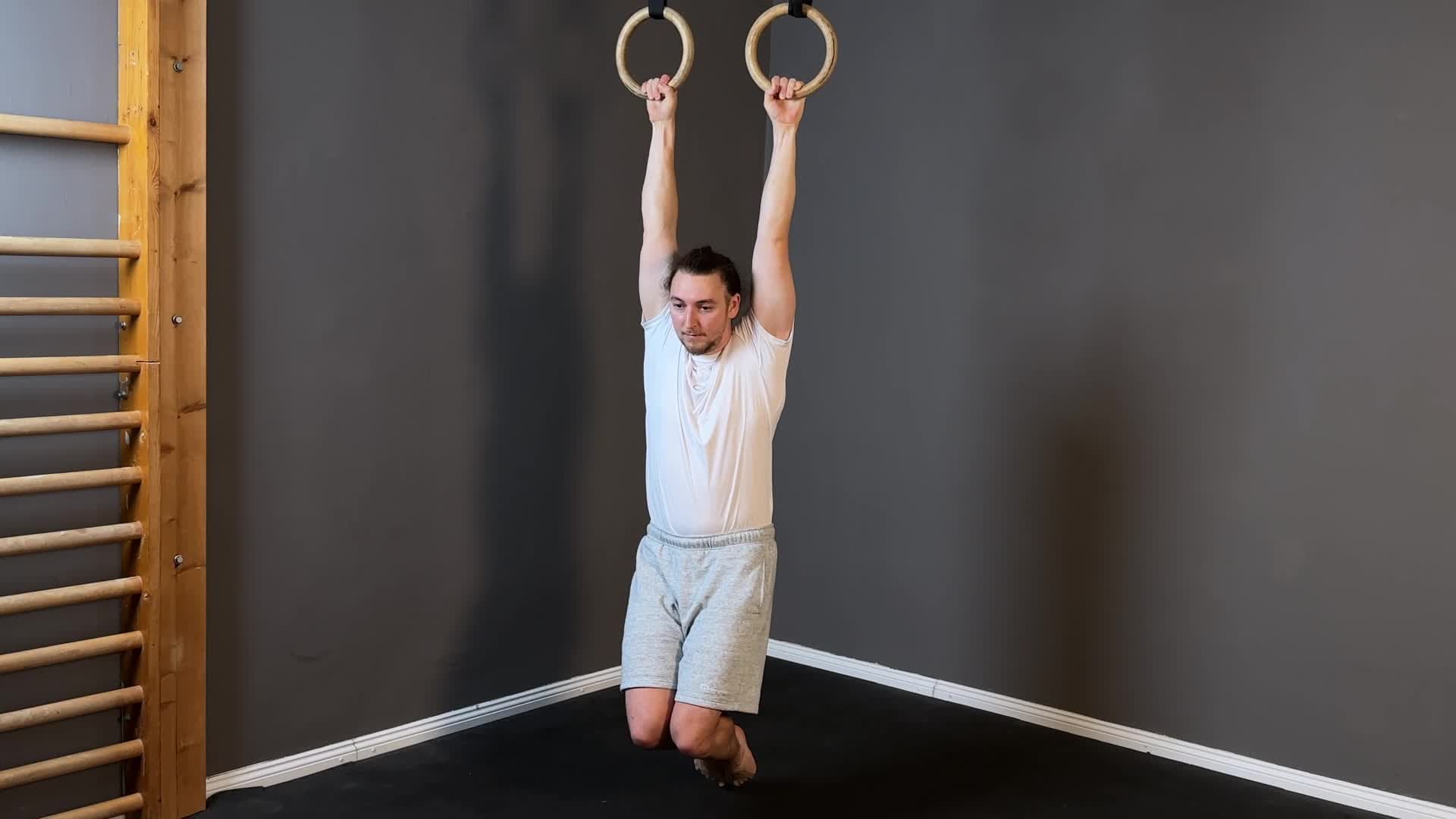
Deadhang Progressions
Grip the bar or rings with a shoulder-width overhand grip, thumb wrapped around. Step off a box to enter the hang, avoid jumping into position
Who the Recommended Routine is (and isn't) for
The RR is built for a specific person: the beginner or returning trainee who wants structure without a gym. If that is you, it is close to the best free option available.
It is a strong fit for:
- Beginners who want a complete, balanced program rather than a pile of random exercises.
- Home trainees with a pull-up bar and a dip station, or a set of rings.
- Returning lifters who want to rebuild a base with low equipment and clear progression.
It is a weaker fit if:
- You are chasing one specific skill fast, like the muscle-up or handstand. A dedicated skill progression will get you there quicker than a general full-body routine.
- You cannot yet do the entry-level variations or hold the warm-up positions. You need an on-ramp first (covered next).
- You are an advanced athlete who has already outgrown the hardest listed progressions.
If a single skill is your goal, you can browse the full exercise library and train that progression directly instead. For general strength and muscle, though, the RR is hard to beat.
Not ready for it yet? Start with the Primer
If the entry-level progressions already feel out of reach, do not force the full routine. The community publishes an official Primer: a shorter, gentler on-ramp that builds the exact baseline the Recommended Routine assumes.
The Primer focuses on the foundational holds and patterns, such as being able to hold a support on parallel bars, manage an incline row with control, and get through the warm-up positions without failing them. These are the prerequisites the RR quietly expects on day one, and skipping straight past them is the most common reason beginners stall or tweak something.
Run the Primer until those basics feel controlled and repeatable, not maximal. When a support hold and an incline row are comfortable, graduate to the full Recommended Routine and start the progression ladders from the bottom. You can start the Primer directly below.
Reddit's BWF Primer Routine
Full-body Workout
6 exercises · ~41 min
Does it actually work? What to expect
Yes, the routine works, and it works best for the people it was designed for. Beginners running it consistently can expect visible strength and muscle gains over roughly 8 to 12 weeks, provided the fundamentals outside the gym are handled.
Those fundamentals are simple but non-negotiable. Eat enough protein, around 0.8 grams per pound of bodyweight if building muscle is the goal. Sleep, and respect the rest days: muscle is built during recovery, not during the session, which is exactly why the routine is three days a week and not seven. As the community bluntly puts it, you cannot out-train a bad diet.
The biggest predictor of results is not the routine at all, it is consistency. Program-hopping every few weeks is the classic beginner mistake. Pick the RR, run it as written, progress the exercises when you earn it, and let the months do their work. Progress will slow eventually, and that slowdown is your signal to move up the progressions, not to abandon the plan.
Should you modify the routine?
Run it as written before you change anything. This is the community's strongest and most repeated piece of advice, echoing Steven Low directly: as a beginner, you are not yet in a position to know which parts to alter, and the pairing, order, and volume are all deliberate.
Some changes are safe, and some reliably backfire:
- Safe swaps: substituting an equivalent exercise because of equipment, for example rings instead of a dip bar, or a suitable incline for your rows.
- Risky changes: adding extra volume or sets, dropping the leg work because you only care about your upper body, or cutting rest to rush the session.
- The worst one: switching programs every few weeks before any single one has had time to produce results.
The routine already balances push and pull, upper and lower, and strength and core. Most "improvements" a beginner makes quietly break that balance. Give it a few honest months first. Once you genuinely understand why each piece is there, you will also know how to adjust it, and by then you may have earned a more specialised plan anyway.
Frequently asked questions
How long does the Recommended Routine take?
Each session runs about 45 to 70 minutes, including the warm-up. Most people land near an hour once they know the movements. You train 3 non-consecutive days a week, so plan for roughly three hours of training total per week.
Can you do the Recommended Routine at home without equipment?
Mostly. You need something to pull on (a pull-up bar or rings) and something to dip on. Everything else is bodyweight. If you have no bar at all, the r/bodyweightfitness minimalist and Primer options cover a no-equipment start.
Does the Reddit Recommended Routine build muscle?
Yes, especially for beginners. Progressive bodyweight overload plus adequate protein and rest drives real strength and size gains in the first months. Progress slows over time, which is when you scale each exercise up to a harder progression.
How many days a week is the Recommended Routine?
Three days a week on non-consecutive days, for example Monday, Wednesday, Friday. The rest days are part of the design: muscle is built during recovery, so training it daily would slow progress, not speed it up.
Is the Recommended Routine or the Primer better for a total beginner?
If you can already manage the entry-level progressions and warm-up holds, start the Recommended Routine. If you cannot yet hold a support or do an incline row with good form, run the Primer first and graduate to the full routine once those basics feel controlled.
Skip the spreadsheet: start the full Reddit Recommended Routine as a guided workout, with a rest timer and progression tracking built in, free in Simple Calisthenics.
Start free trialFAQ
- How long does the Recommended Routine take?
- Each session runs about 45 to 70 minutes, including the warm-up. Most people land near an hour once they know the movements. You train 3 non-consecutive days a week, so plan for roughly three hours of training total per week.
- Can you do the Recommended Routine at home without equipment?
- Mostly. You need something to pull on (a pull-up bar or rings) and something to dip on. Everything else is bodyweight. If you have no bar at all, the r/bodyweightfitness minimalist and Primer options cover a no-equipment start.
- Does the Reddit Recommended Routine build muscle?
- Yes, especially for beginners. Progressive bodyweight overload plus adequate protein and rest drives real strength and size gains in the first months. Progress slows over time, which is when you scale each exercise up to a harder progression.
- How many days a week is the Recommended Routine?
- Three days a week on non-consecutive days, for example Monday, Wednesday, Friday. The rest days are part of the design: muscle is built during recovery, so training it daily would slow progress, not speed it up.
- Is the Recommended Routine or the Primer better for a total beginner?
- If you can already manage the entry-level progressions and warm-up holds, start the Recommended Routine. If you cannot yet hold a support or do an incline row with good form, run the Primer first and graduate to the full routine once those basics feel controlled.