Calisthenics for Soccer Players: Strength, Speed & Injury Prevention
Build soccer-specific strength, speed, and injury resilience with bodyweight training. Includes a weekly calisthenics plan that fits around your soccer schedule.
Soccer demands strength, speed, explosive power, 90 minutes of intermittent effort, and the physical resilience to stay injury-free through a long season. Calisthenics addresses all of it: with no gym required.
The research is clear. A randomized controlled trial published in Advances in Rehabilitation found that calisthenics training alongside regular soccer practice significantly improved physical fitness parameters and sport-specific performance in soccer players. Eight weeks was enough to produce measurable differences in speed, agility, flexibility, and ball control.
Why Calisthenics Is a Natural Fit for Soccer
Soccer is not a sport of isolated muscle strength: it's a sport of whole-body coordination, explosive short bursts, and the ability to repeat them across 90 minutes. Calisthenics trains exactly this way.
The movements that define calisthenics (single-leg squatting, explosive jumping, core anti-rotation, horizontal and vertical pulling) mirror the movement demands of the sport. Every sprint involves a single-leg push. Every tackle requires core stability. Every header uses upper-body pulling strength and jump power. Calisthenics trains these patterns as compound, athletic movements, not isolated muscles on machines.
There are two practical advantages worth naming. First, portability: calisthenics requires no gym. A hotel room, a pitch corner, or a bedroom floor works. During away fixtures, pre-season camps, and summer training blocks, consistent training becomes possible without facility access. Second, joint health: calisthenics loads joints through natural ranges of motion without the spinal compression of heavy barbell work. In-season training should minimize injury risk, and bodyweight training does exactly that.
The 5 Physical Demands Calisthenics Directly Addresses
Every calisthenics training decision for a soccer player should map to a specific on-pitch demand. Here are the five that matter most.
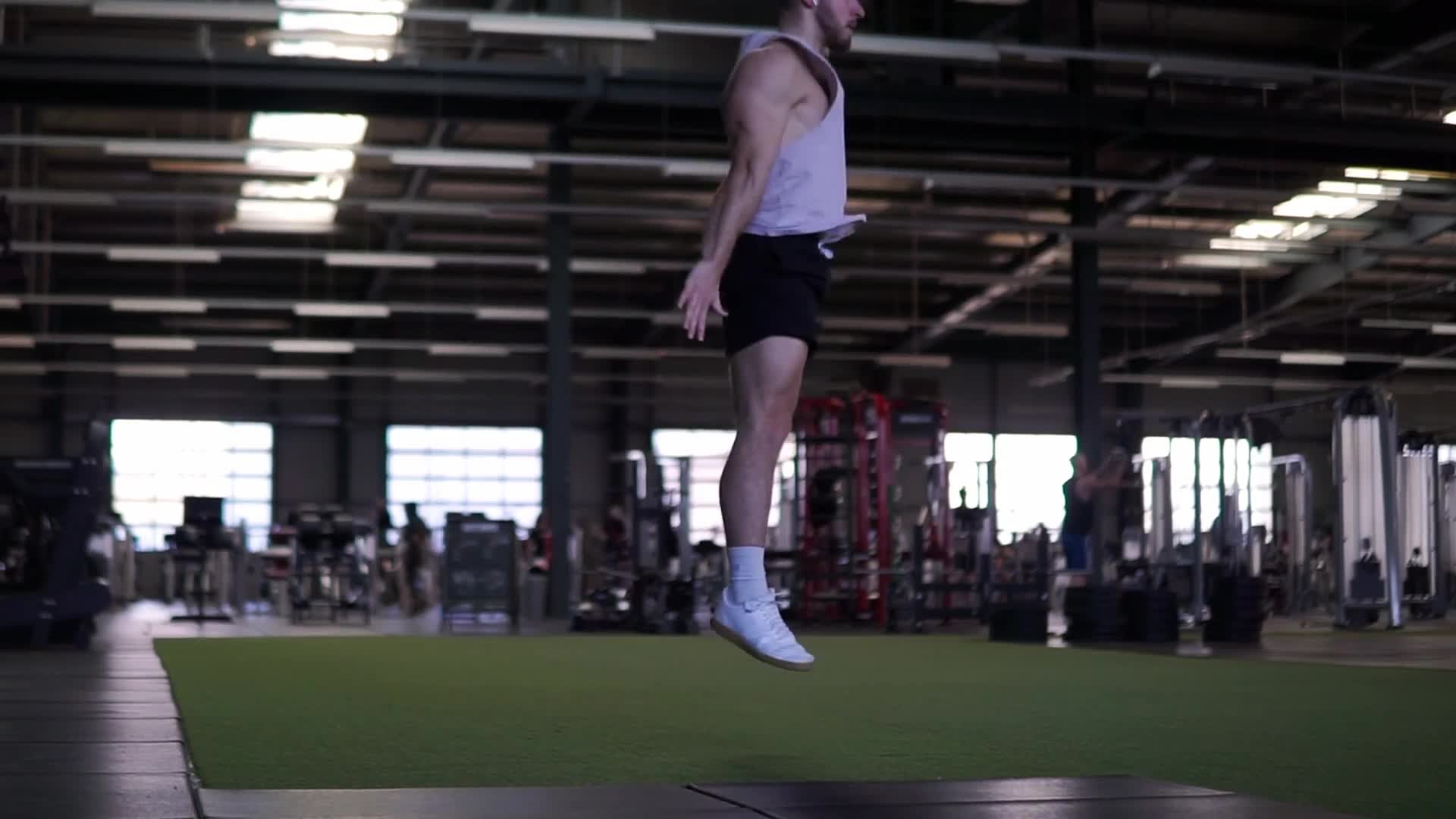
1. First-step acceleration → Plyometric calisthenics. Squat jumps and jumping lunges train the fast-twitch muscle fibers responsible for explosive acceleration: the quality that separates average players from dangerous ones in the first three meters.
Squat Jumps
2. Aerial duels and header power → Single-leg strength and explosive jumping. Pistol squat progressions build the unilateral leg strength that generates jump height. Combine with squat jump work for the power component.
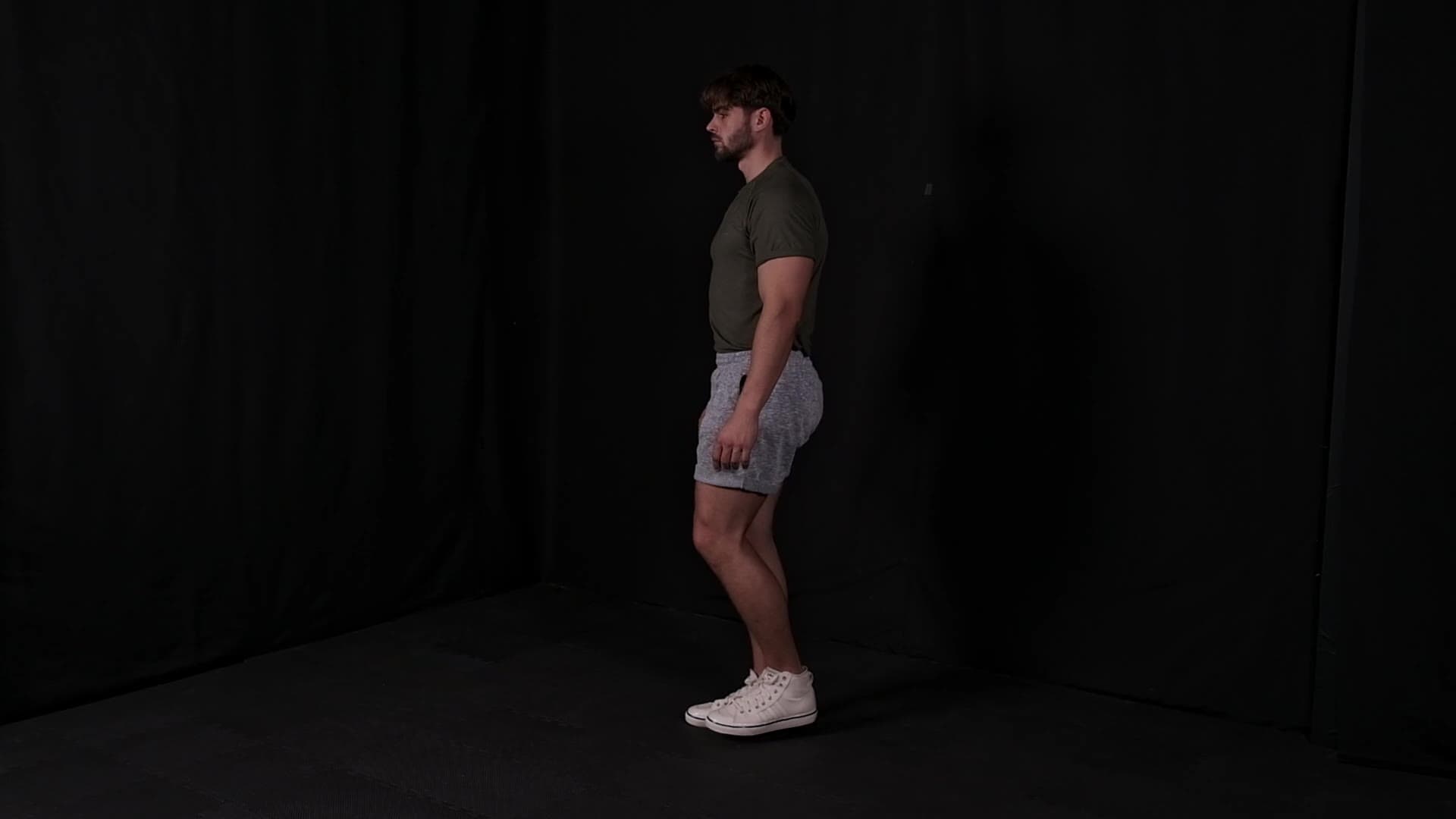
Pistol Squat Progressions
Stand on one leg with feet hip-width apart: lift the other leg and extend it straight forward in front of you. Extend your arms forward for counterbalance: this is crucial for staying upright
3. 1v1 stability and ground duels → ATG split squat progressions. Deep single-leg squatting through full range of motion builds the knee stability and hip control that allow players to hold position, change direction, and shield the ball effectively.
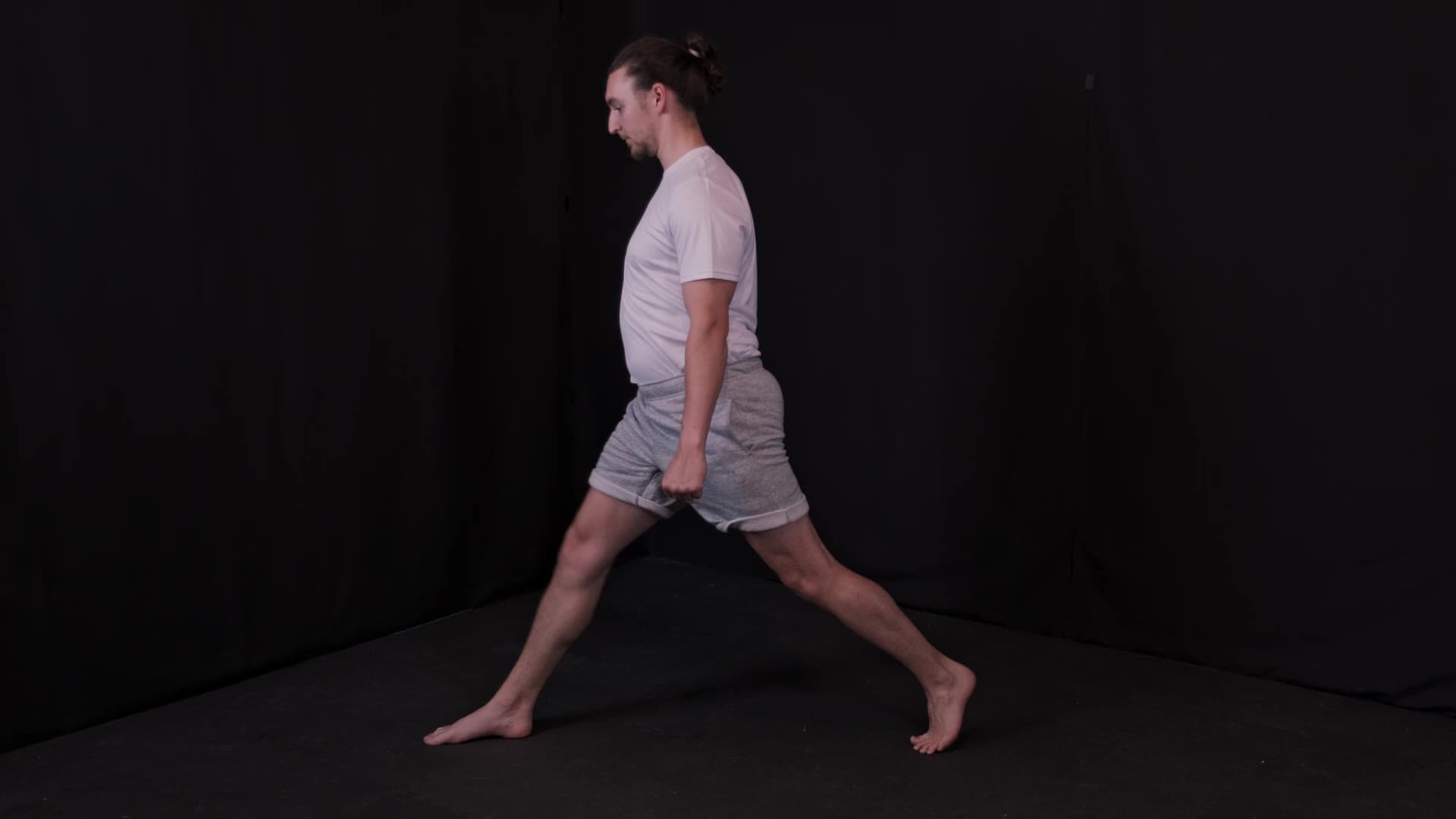
ATG Split Squat Progressions
Start in a long split stance (roughly the length of your leg between feet) and push the front knee forward over the toes. Keep the rear knee as extended as possible and pointing straight down: don't let it turn outward
4. 90-minute endurance capacity → High-density circuit training. Burpees, mountain climbers, and squat jump sequences build the cardiovascular and muscular endurance to maintain physical output in the 70th to 90th minute: when games are won and lost.
5. Hamstring and ACL injury prevention → Nordic curl progressions and glute bridge progressions. Hamstring strains and ACL tears are the most costly injuries in soccer. Strength training in these specific movement patterns reduces their incidence significantly.
Core Training for Soccer Players (The Right Kind)
Most soccer players train core incorrectly. Crunches and sit-ups train spinal flexion: a movement pattern rarely used in sport. What soccer actually demands is core anti-movement: the ability to resist rotational and extension forces while under pressure.
The hollow body progression trains anti-extension directly. Lying on your back with arms and legs extended, pressing your lower back into the floor while holding tension: this is the same spine position you need when absorbing contact, heading a ball, or maintaining posture during a 90-minute match.
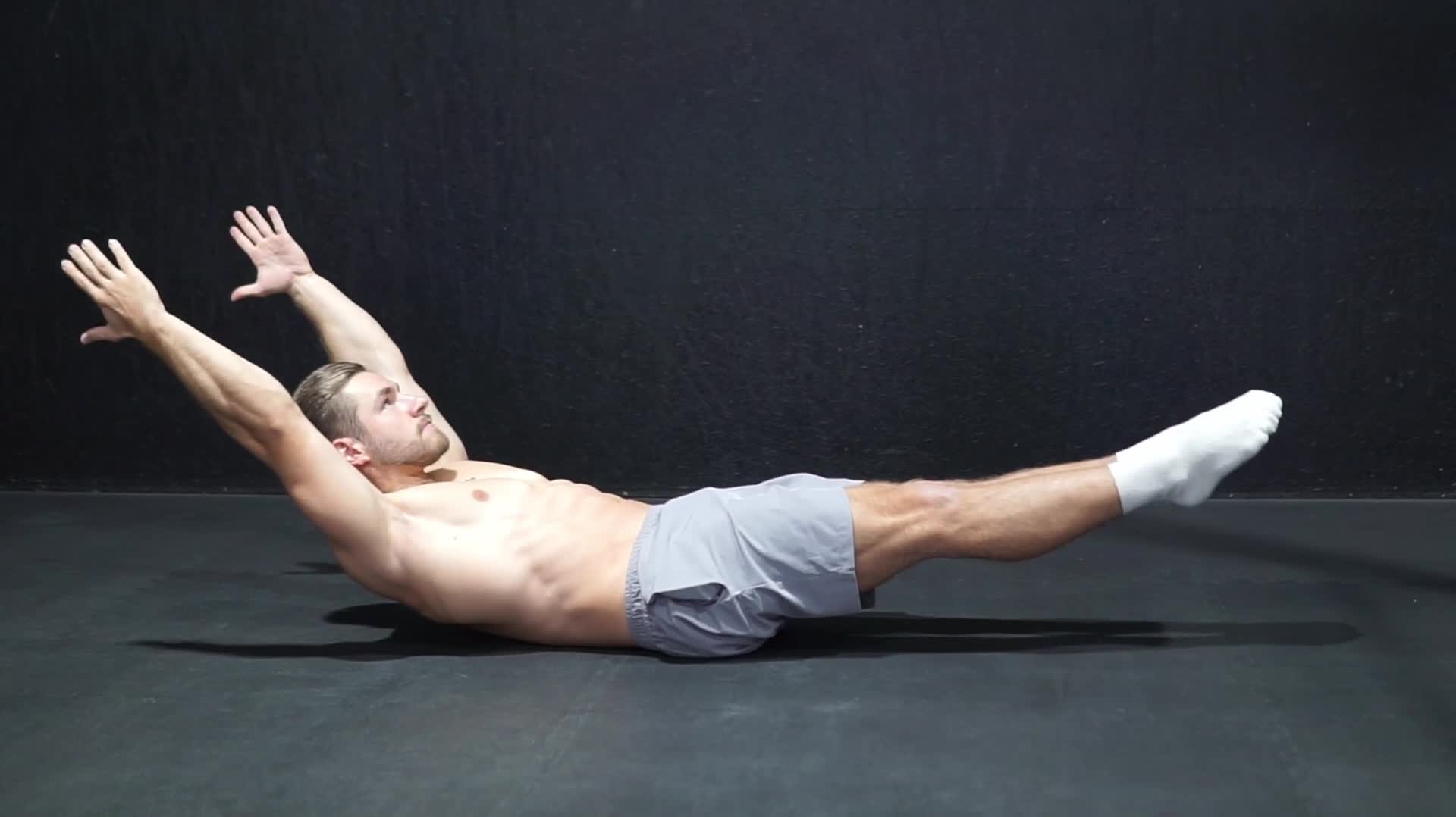
Hollow Body Progressions
Lie on your back with arms extended overhead and legs straight. Press your lower back firmly into the ground: there should be no gap between your back and the floor
Hanging leg raises add hip flexor strength and anti-rotation control to the equation, building the core endurance to maintain posture in the final 20 minutes of a match.
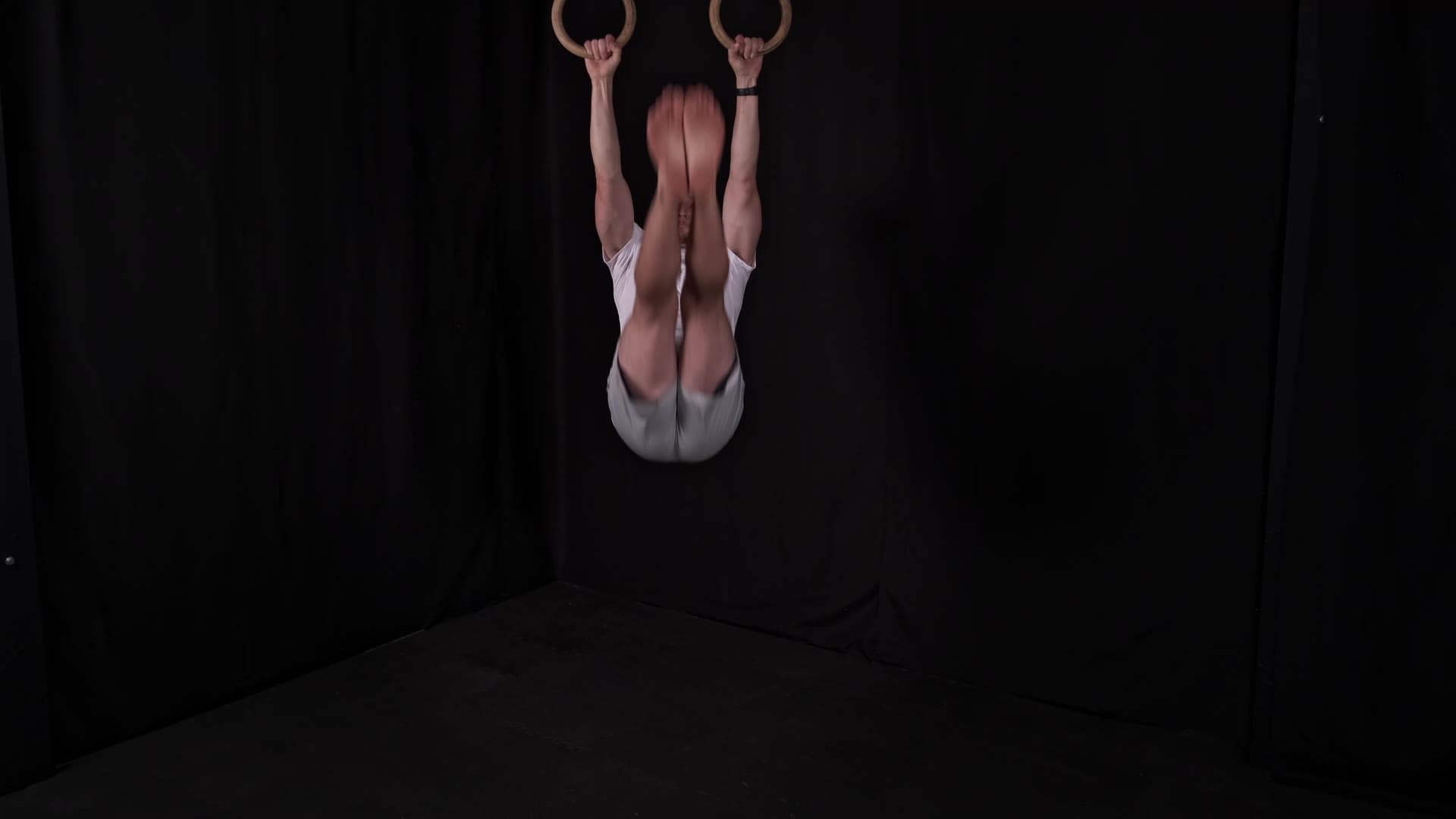
Hanging Leg Raise Progressions
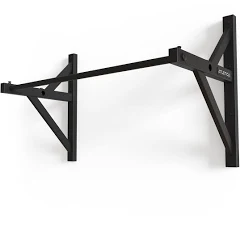
Hang from a pull-up bar or rings with a shoulder-width overhand grip: arms fully extended, shoulders actively engaged (not passive hanging). Depress your shoulder blades by pulling them slightly down and back: this stabilizes your upper body and prevents excessive swinging
Train these two movements consistently and you will feel the difference in your ability to maintain positioning under fatigue. The carryover to shielding, tracking runs, and aerial challenges is direct.
Injury Prevention: The Exercises Soccer Players Actually Need
Hamstring strains and ACL injuries account for a disproportionate number of missed matches and career interruptions in soccer. The good news: both are significantly preventable through targeted strength training.
Nordic curl progressions are the most evidence-backed injury prevention exercise in soccer. A 2016 meta-analysis found that Nordic curl training reduces hamstring injury rates in football players by approximately 51%. The mechanism is simple: the Nordic curl trains the hamstring in its lengthened position. The exact position where strains occur during high-speed running. Building strength here creates a direct buffer against the injury.
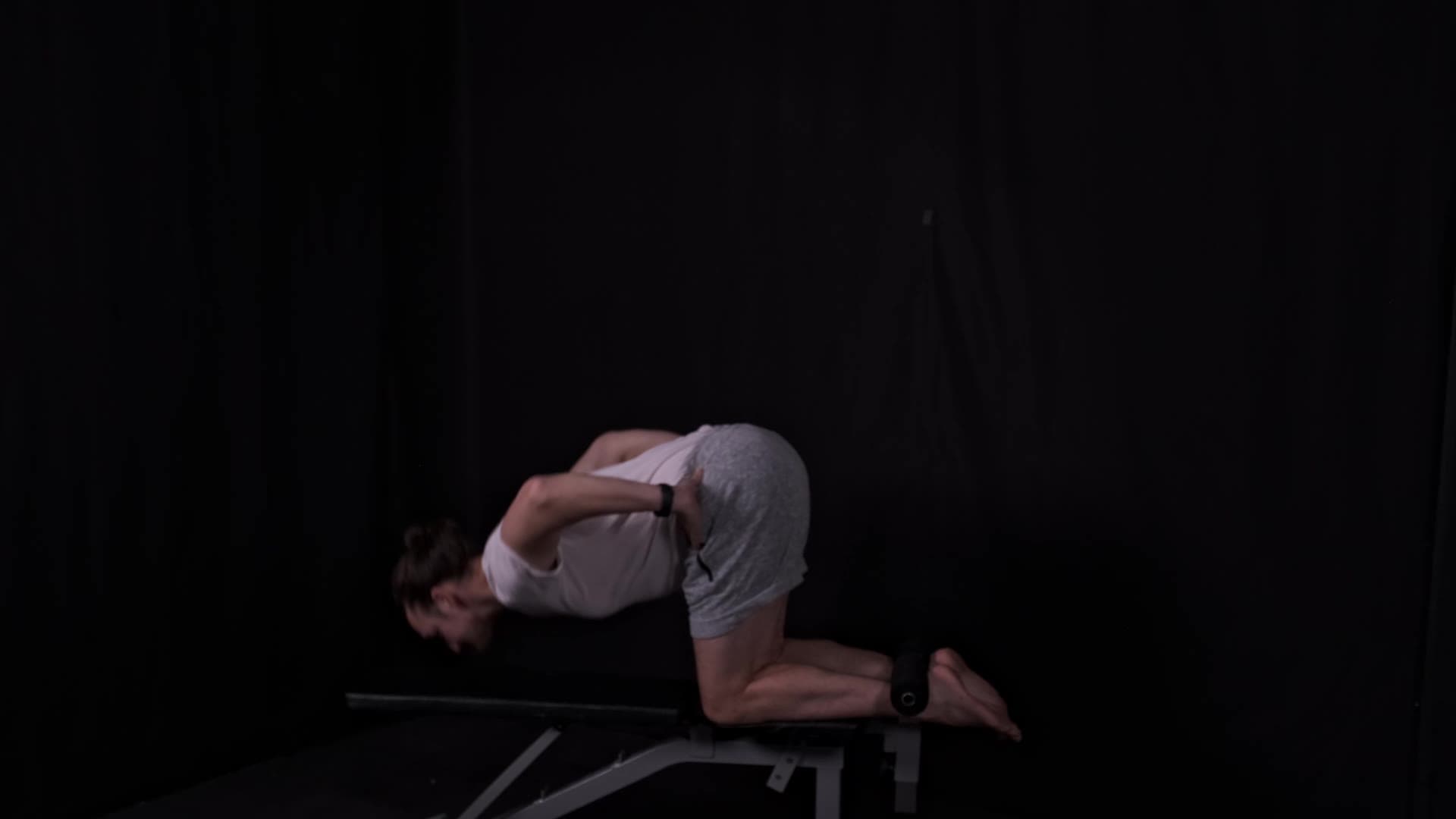
Nordic Curl Progressions
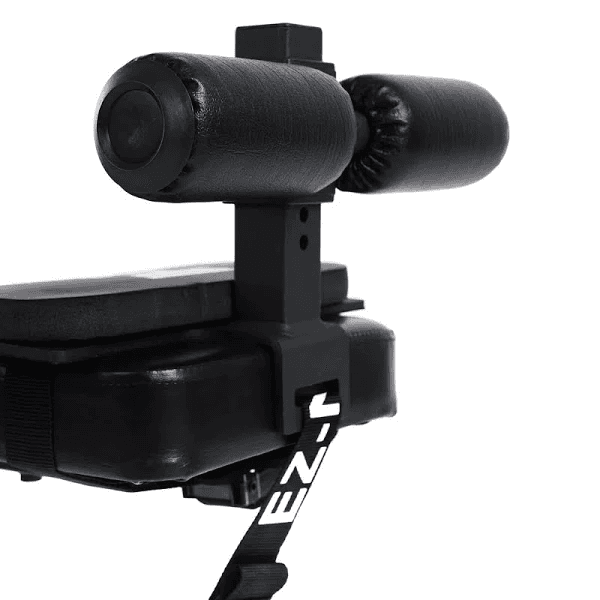
Secure your feet firmly under a sturdy ledge, loaded barbell, or have a partner hold your ankles. Kneel upright with your body in a rigid straight line from knees to head
Glute bridge progressions build posterior chain strength that supports both hamstring and knee resilience. Strong glutes reduce the load on the hamstrings during acceleration and reduce valgus knee collapse under fatigue: a key ACL injury mechanism.
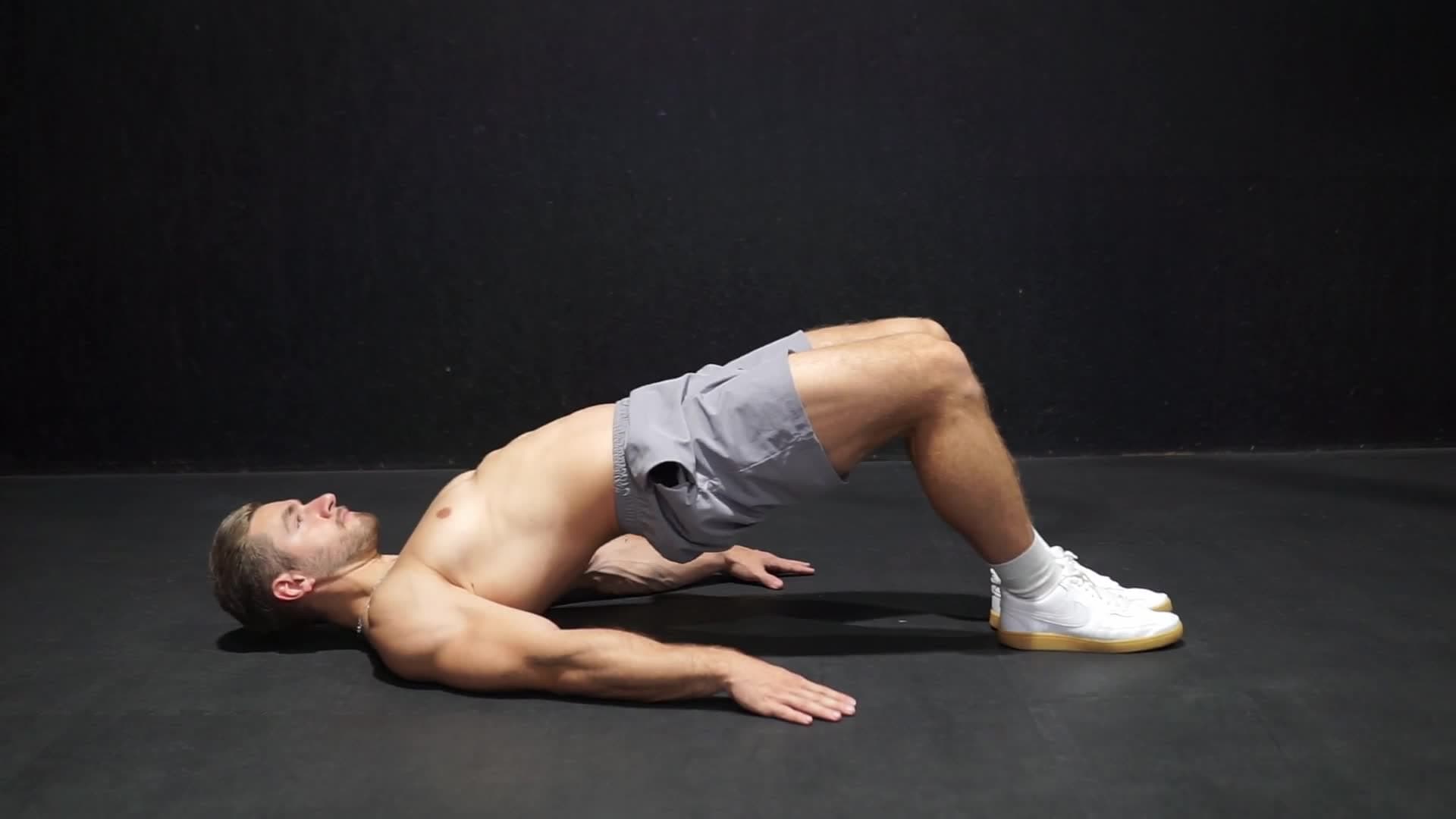
Glute Bridge Progressions
Lie on your back with knees bent and feet flat on the floor, hip-width apart. Place your feet close enough that you can almost touch your heels with your fingertips
Start Nordic curls gradually. Beginners often experience significant delayed-onset muscle soreness in the first 1-2 weeks. Begin with eccentric-only reps (lower slowly from the top), 2-3 sets of 3-5 reps, before progressing to full Nordic curls.
Upper Body Calisthenics for Soccer Players
Upper body strength is the most overlooked physical quality in soccer, and one of the easiest gains to capture through calisthenics.
Aerial duels require pulling strength to hold position and attack the ball. Shielding requires chest and arm strength to establish and maintain position. Heading accuracy improves when the upper back is strong enough to generate controlled neck movement rather than passive contact. Push-up progressions and row progressions develop exactly the shoulder stability and upper-back strength that translate to these situations.
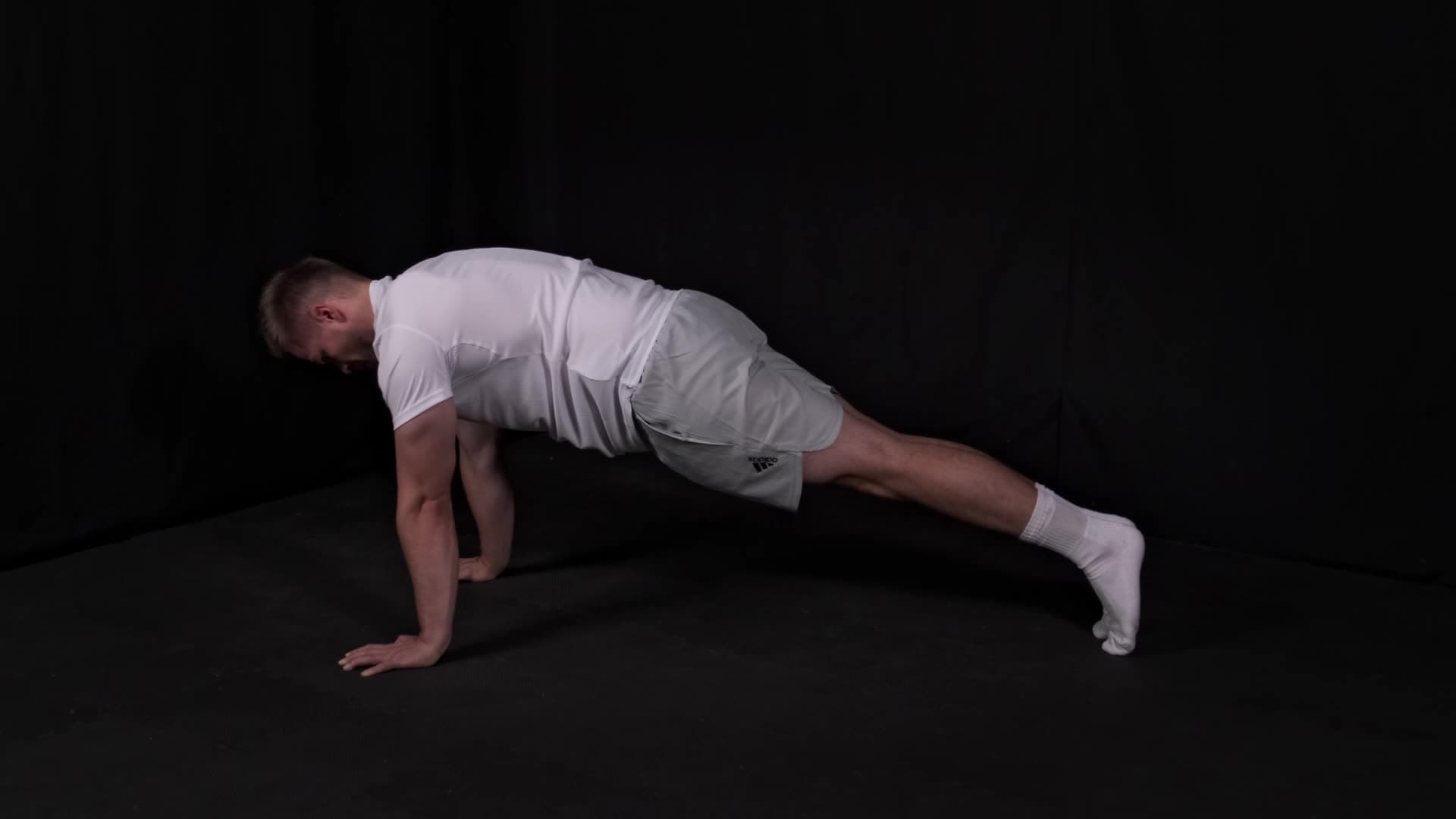
Push Up Progressions
Maintain a straight body line. Avoid the hips sinking down, or raising up too high
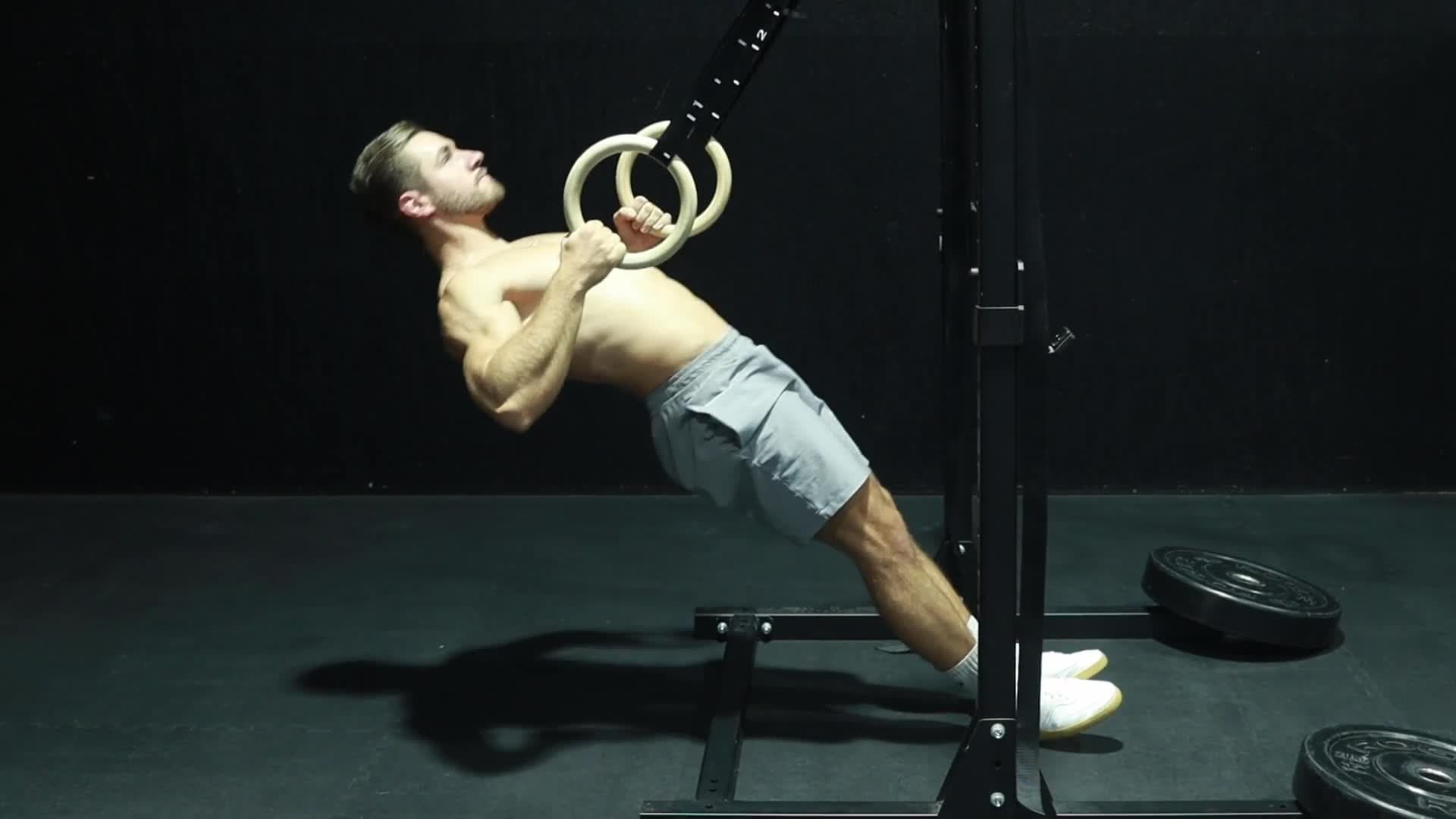
Row Progressions
Grip the bar or rings with hands shoulder-width apart: use a pronated, supinated, or neutral grip based on preference. Before pulling, depress and retract the shoulder blades to pre-engage the back muscles: this is the most critical step
Pull-up progressions add the vertical pulling strength that generates power in jumping and provides structural resilience for shoulder injuries.
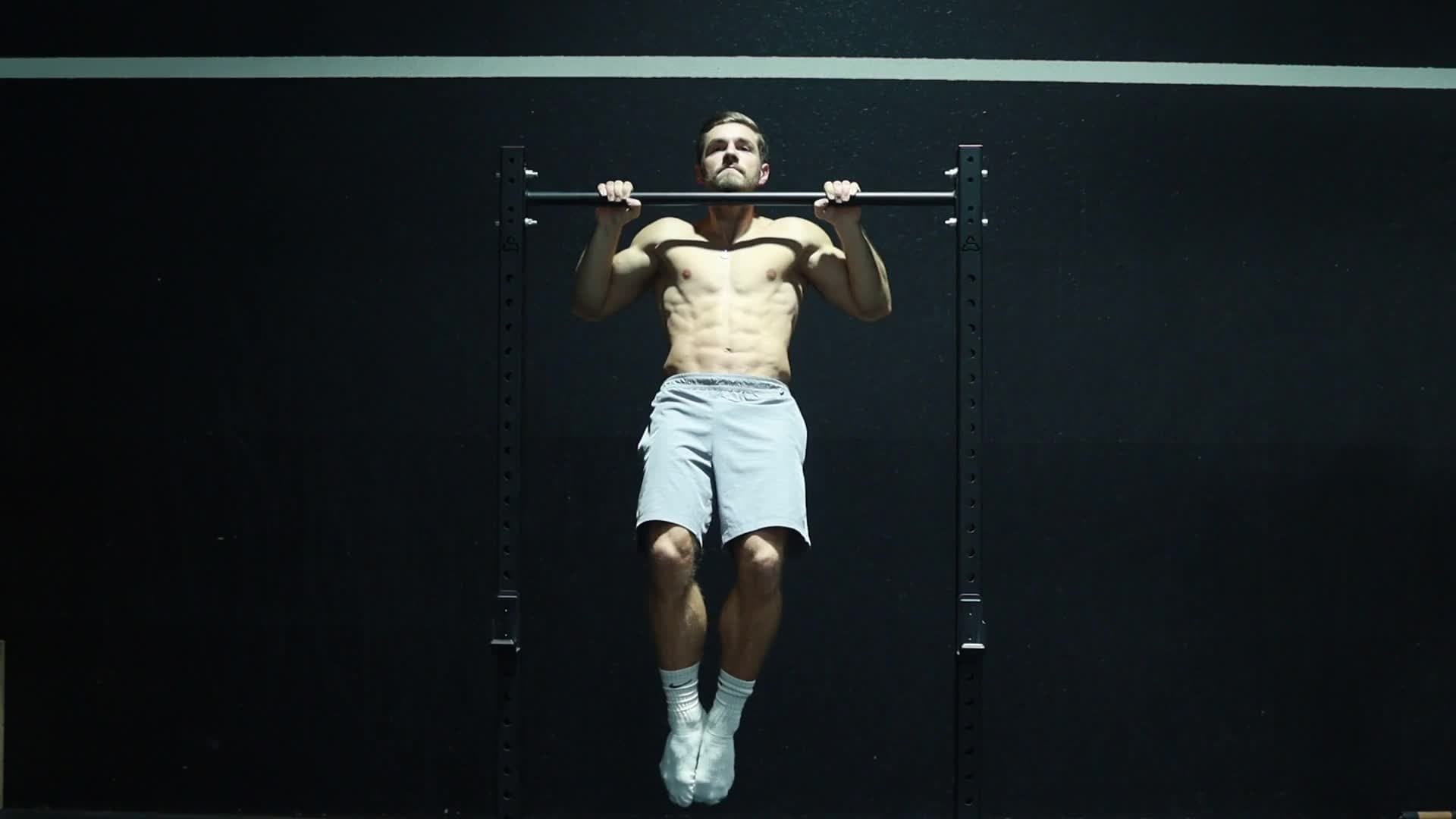
Pull Up Progressions
Start from a dead hang with arms fully extended: use a shoulder-width overhand (pronated) grip. Initiate by depressing and retracting the shoulder blades (scapular pull) before bending the arms
Importantly, upper-body calisthenics builds functional, lean strength, not the bulk that would impair a player's agility. The concern that strength training makes soccer players slow is valid for heavy powerlifting protocols. Calisthenics improves power-to-weight ratio, not absolute mass.
A Weekly Calisthenics Plan for Soccer Players
The key principle: calisthenics sessions slot in around (not instead of) your soccer training. Heavy lower-body work (Nordic curls, explosive jump training) should not fall within 24 hours of a match.
Session A: Power & Lower Body (30 min)
| Exercise | Sets | Reps | Rest |
|---|---|---|---|
| Squat jumps | 4 | 6 explosive reps | 90 sec |
| ATG split squat progressions | 3 per leg | Leave 2 reps in reserve | 90 sec |
| Nordic curl progressions | 3 | 3-6 reps | 2 min |
| Glute bridge progressions | 3 | Leave 2 reps in reserve | 60 sec |
Session B: Core & Upper Body (25 min)
| Exercise | Sets | Reps / Duration | Rest |
|---|---|---|---|
| Push-up progressions | 3 | Leave 2 reps in reserve | 75 sec |
| Row progressions | 3 | Leave 2 reps in reserve | 75 sec |
| Hollow body hold | 3 | 25-45 sec | 60 sec |
| Hanging leg raises | 3 | Leave 2 reps in reserve | 60 sec |
Sample in-season week (2 training sessions + 1 match):
| Day | Activity |
|---|---|
| Monday | Session A (Power & Lower Body) |
| Tuesday | Soccer practice |
| Wednesday | Session B (Core & Upper Body) |
| Thursday | Soccer practice |
| Friday | Rest |
| Saturday | Match |
| Sunday | Rest or light mobility |
Pre-season allows higher volume: 3-4 calisthenics sessions per week with more sets. Reduce to 2 sessions in-season to manage fatigue around match commitments.
Frequently asked questions
Is calisthenics good for soccer players?
Yes, and the evidence backs it up. A randomized controlled trial found that 8 weeks of calisthenics alongside regular soccer training significantly improved speed, agility, flexibility, kicking accuracy, and body composition in soccer players. It's also portable and joint-friendly, making it practical during the season.
Can calisthenics replace the gym for soccer players?
For most soccer players (especially youth and amateur players), yes. Calisthenics covers explosive power, single-leg strength, hamstring health, and core stability. Elite players may supplement with gym work for maximum lower-body loading, but calisthenics is highly effective on its own.
What is the single most important calisthenics exercise for soccer players?
Nordic curl progressions. The evidence base for hamstring injury prevention in football is among the strongest in sports science: regular Nordic curl training reduces hamstring injury rates by approximately 50%. Every soccer player should be doing some form of this exercise.
How many days per week should soccer players do calisthenics?
2-3 calisthenics sessions per week works well for most players in-season. Volume and intensity should reduce in the 48 hours before a match. Pre-season allows 3-4 sessions per week with higher volume.
Will calisthenics make soccer players too bulky or slow?
No. Calisthenics builds functional, sport-specific strength without the bulking effect of heavy weightlifting. It improves power-to-weight ratio: you get stronger and more explosive relative to your bodyweight, which directly helps acceleration and jumping ability.
Simple Calisthenics builds a personalized bodyweight program around your soccer schedule: balancing strength, power, and recovery so you perform on match day, not just in training. Start your free trial.
Start free trialFAQ
- Is calisthenics good for soccer players?
- Yes, and the evidence backs it up. A randomized controlled trial found that 8 weeks of calisthenics alongside regular soccer training significantly improved speed, agility, flexibility, kicking accuracy, and body composition in soccer players. It's also portable and joint-friendly, making it practical during the season.
- Can calisthenics replace the gym for soccer players?
- For most soccer players (especially youth and amateur players), yes. Calisthenics covers explosive power, single-leg strength, hamstring health, and core stability. Elite players may supplement with gym work for maximum lower-body loading, but calisthenics is highly effective on its own.
- What is the single most important calisthenics exercise for soccer players?
- Nordic curl progressions. The evidence base for hamstring injury prevention in football is among the strongest in sports science: regular Nordic curl training reduces hamstring injury rates by approximately 50%. Every soccer player should be doing some form of this exercise.
- How many days per week should soccer players do calisthenics?
- 2-3 calisthenics sessions per week works well for most players in-season. Volume and intensity should reduce in the 48 hours before a match. Pre-season allows 3-4 sessions per week with higher volume.
- Will calisthenics make soccer players too bulky or slow?
- No. Calisthenics builds functional, sport-specific strength without the bulking effect of heavy weightlifting. It improves power-to-weight ratio: you get stronger and more explosive relative to your bodyweight, which directly helps acceleration and jumping ability.