Calisthenics HIIT Workouts: The Complete Guide
What HIIT does, who it's for, and how to run it alongside calisthenics strength training without wrecking recovery.
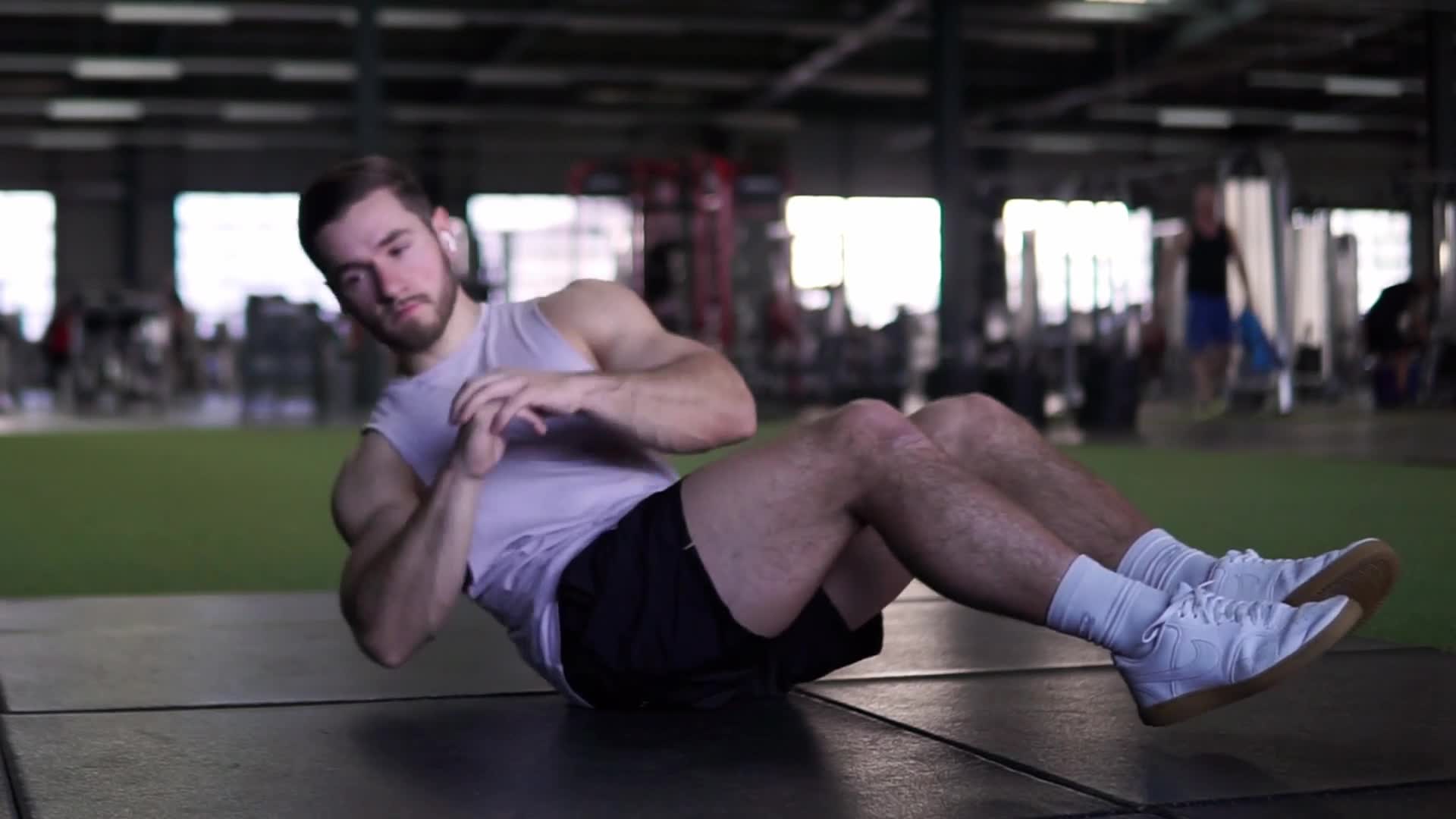
HIIT is the fastest way to add conditioning to a calisthenics routine, but only if you fit it around your strength work instead of on top of it. Done right, it sharpens your engine without stalling your pull-ups.
The fastest way to start is to follow one of the three guided HIIT sessions built into the Simple Calisthenics app. Each one runs the work and rest intervals on an automatic timer, shows a video preview and instructions for every movement, and tracks your stats so you can watch your progress session to session. Pick the level that matches your fitness and press start.
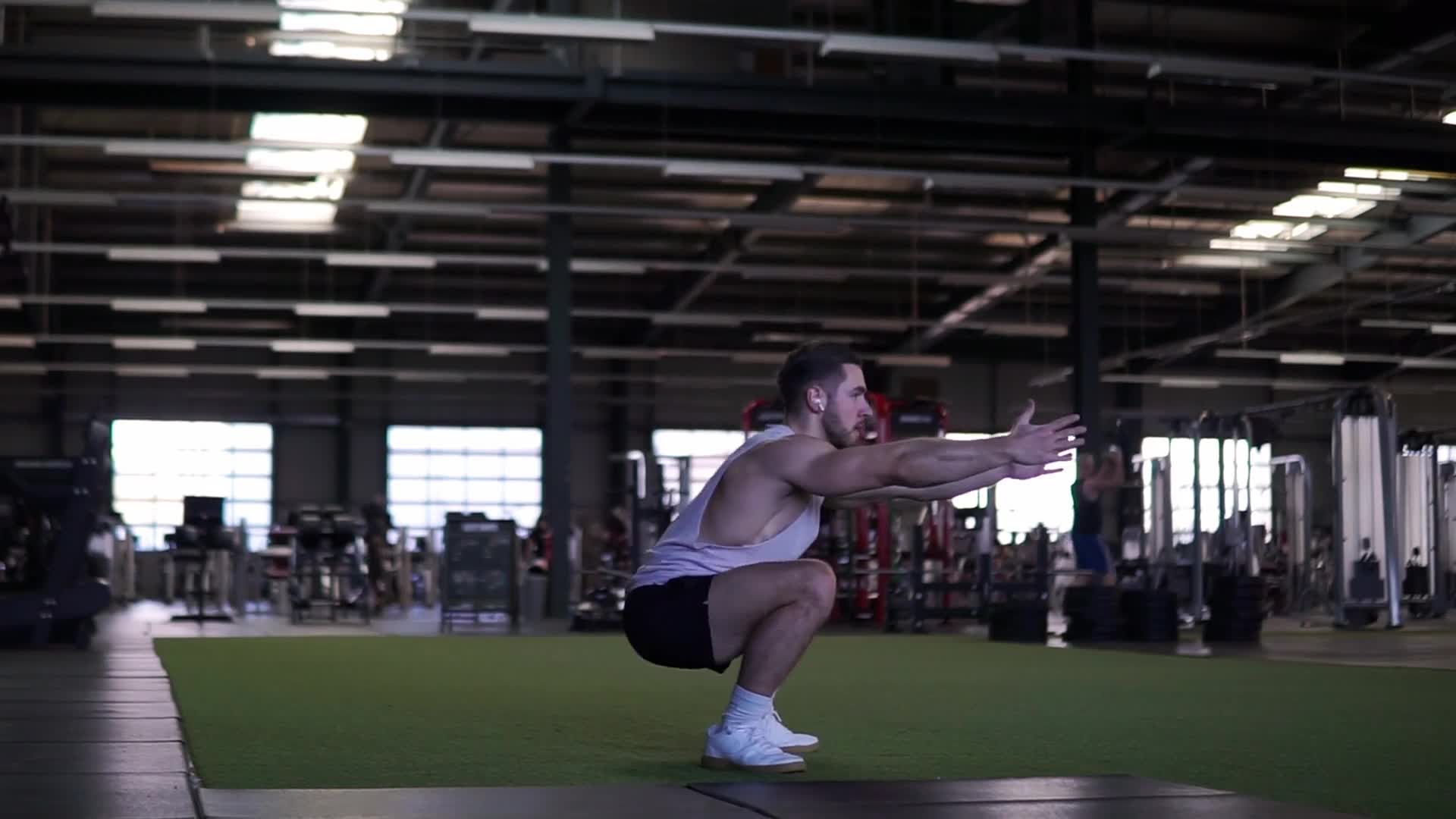
H.I.I.T Workout - Beginner
High Intensity Interval Training
4 exercises · ~13 min
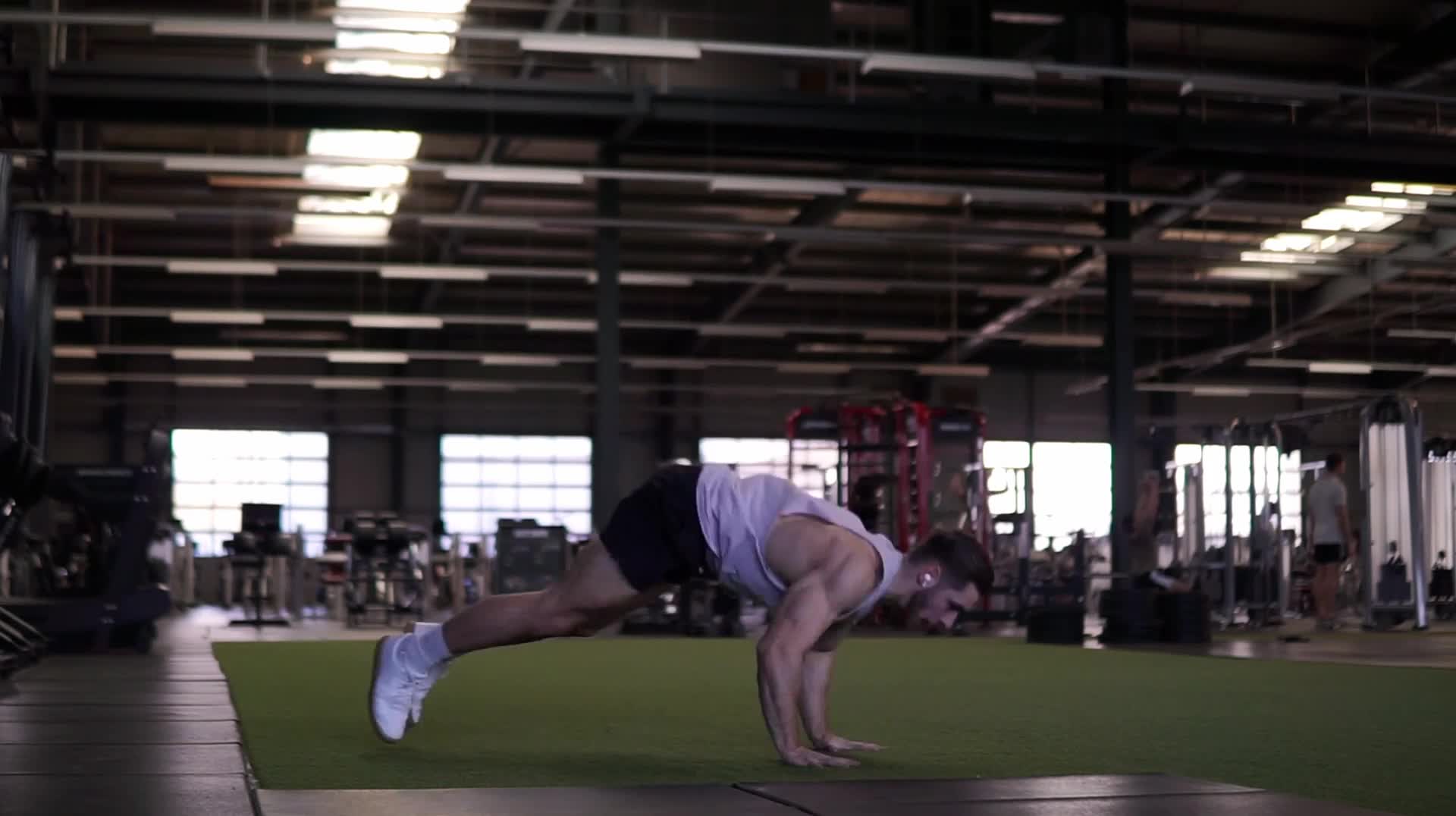
H.I.I.T Workout - Intermediate
High Intensity Interval Training
5 exercises · ~15 min
H.I.I.T Workout - Hardcore
High Intensity Interval Training
6 exercises · ~19 min
What is HIIT training?
HIIT, or high-intensity interval training, alternates short bursts of all-out effort with brief periods of low-intensity recovery, repeated for a fixed block of time. The work intervals sit at roughly 80 to 95% of your maximum effort, hard enough that you could not hold the pace for long, which is exactly the point.
Three terms describe the structure. A work interval is one hard burst. A rest interval is the recovery that follows it. A round is one work-plus-rest pair, and you repeat rounds until the session ends. A simple beginner version looks like this: 30 seconds of burpees, 60 seconds of easy movement, repeated for 15 minutes.
That interval structure is what separates HIIT from steady-state cardio. A jog holds one moderate pace the whole way. HIIT deliberately spikes and drops your heart rate, and it is that repeated spike-and-recover pattern that drives most of its benefits in a fraction of the time.
What HIIT does for your body
HIIT delivers a lot of training stimulus in very little time, which is its headline advantage. The interval structure pushes your cardiovascular system hard, improves how efficiently your body uses oxygen, and burns a high number of calories per minute compared with steady-state cardio.
The main benefits are:
- Efficient fat loss. According to the Cleveland Clinic and multiple training studies, HIIT burns significant fat in far less time than moderate, steady cardio.
- Cardiovascular and VO2 gains. Repeatedly spiking your heart rate strengthens the heart and improves your aerobic capacity.
- The EPOC afterburn. After a hard session your body keeps burning extra calories as it restores oxygen and repairs tissue, an effect called excess post-exercise oxygen consumption.
- Time efficiency. A useful session fits into 15 to 25 minutes, which makes it realistic on a busy week.
Be honest about the afterburn, though. EPOC is real but modest, adding a relatively small number of calories, not a magic all-day furnace. Your total weekly activity and your diet still decide the outcome. HIIT is a powerful tool for conditioning and fat loss, not a shortcut around the basics.
Who HIIT is for (and who should wait)
HIIT suits anyone who wants more conditioning without adding long cardio sessions to the week. It fits neatly on top of a calisthenics practice, giving you a stronger engine and a fat-loss lever while your bodyweight work builds strength.
It is a strong fit for:
- Time-pressed trainees who want a real cardio effect in 20 minutes.
- Calisthenics athletes who already train strength and want conditioning that complements it.
- Fat-loss goals, where the high calorie burn and afterburn help alongside a sensible diet.
You should scale down or wait if:
- You are a complete beginner with no movement base. Build basic fitness and technique first, then add intensity.
- You have joint issues, since the jumping and impact in most HIIT movements are demanding on knees and ankles. Choose low-impact variations.
- You already train high strength volume with poor recovery. Adding hard HIIT on top will dig the hole deeper, not fill it.
If any of these apply, start with the gentlest option and progress slowly. The beginner session in the next section is built exactly for that on-ramp.
How to do a HIIT workout
Building a HIIT session takes five decisions, and you can run the whole thing with no equipment. Follow these steps:
- Warm up for about 5 minutes with light cardio and mobility so your joints and heart are ready.
- Pick a work-to-rest ratio. Beginners should start at 1:2 or 1:3, for example 30 seconds of work followed by 60 to 90 seconds of easy recovery.
- Choose 4 to 6 movements you can perform explosively but safely.
- Set the total working time at 10 to 20 minutes, then stop. Longer means you were not going hard enough.
- Cool down for a few minutes of easy movement and breathing.
The movements themselves are simple, high-output bodyweight exercises. Burpees hit everything at once and are the classic HIIT staple.
Burpees
Mountain climbers drive your heart rate up while bracing the core.
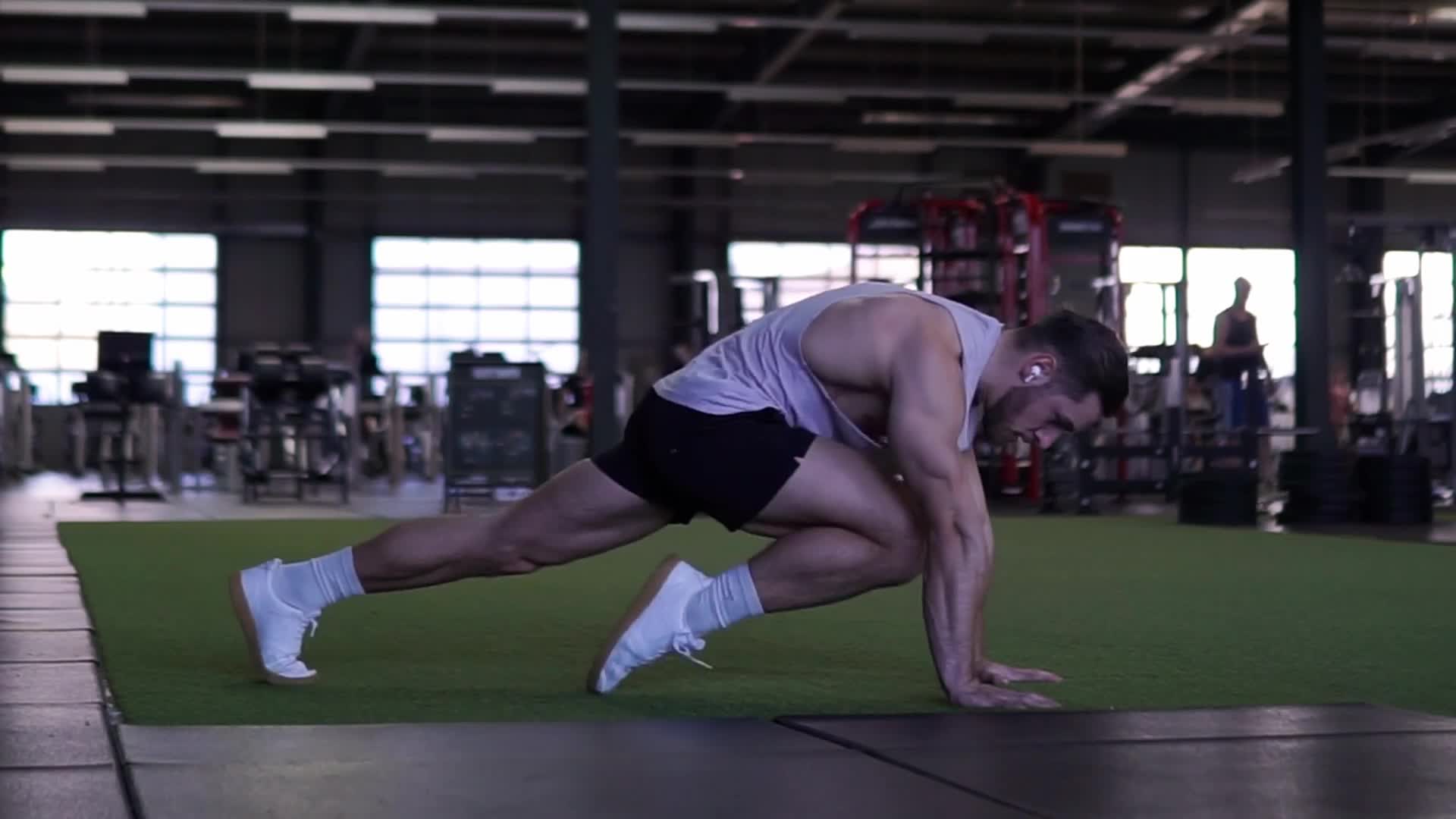
Mountain Climbers
Squat jumps and jumping lunges load the legs explosively and build lower-body power.

Squat Jumps
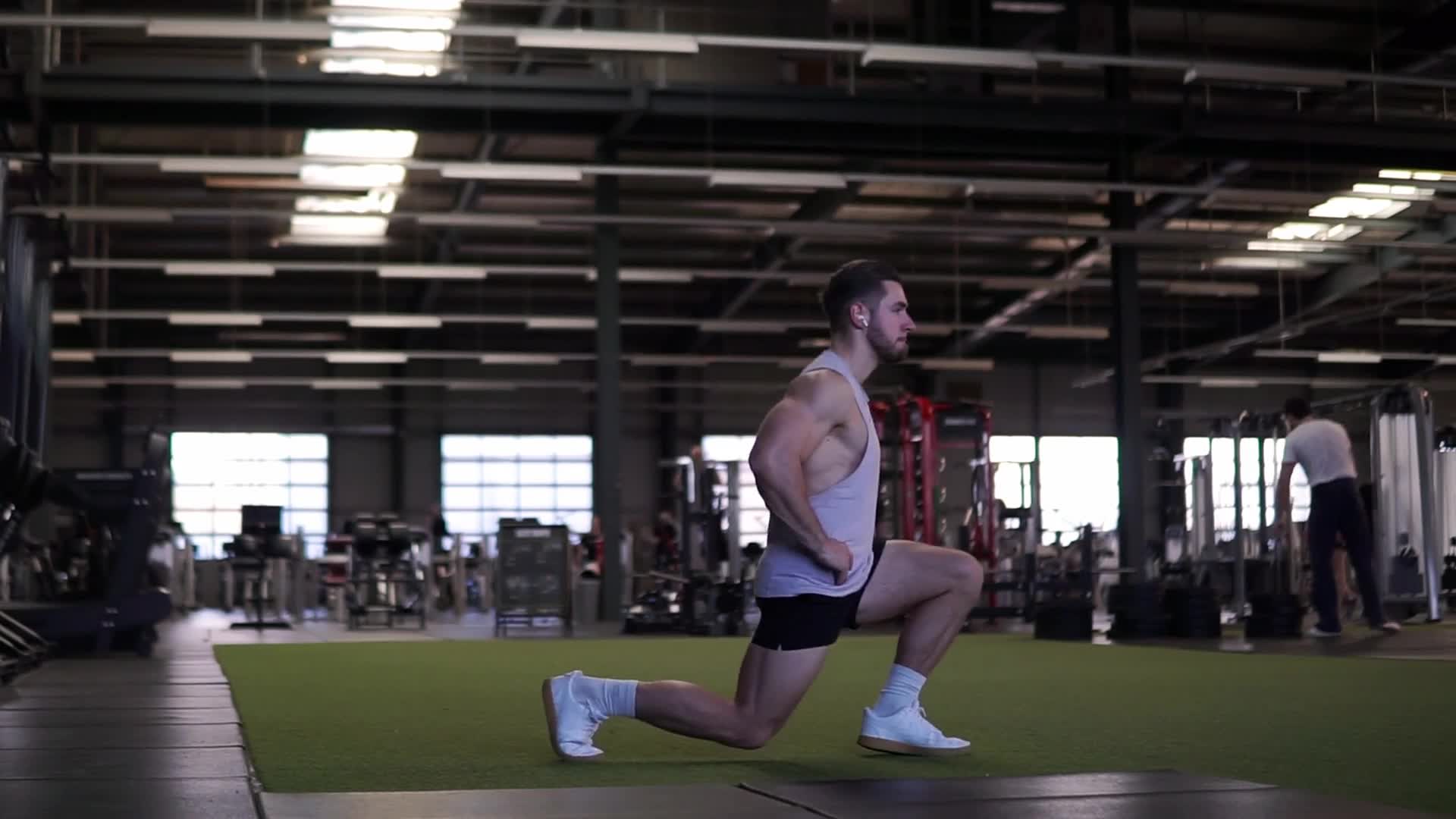
Jumping Lunges
Jumping jacks and high jumps make excellent lower-impact and full-body options to round out a circuit.

Jumping Jacks

High Jumps
If you would rather not build the intervals yourself, the three guided sessions shown at the top of this guide handle all of it for you: the timer, the movement previews, and the tracking. Start with the beginner session and move up as your conditioning improves. You can also browse the full exercise library to swap in movements you prefer.
How HIIT combines with calisthenics strength training
Strength always comes first. When you train both in one week, or one day, your calisthenics strength work is the priority and HIIT is the accessory built around it. Get that order wrong and you blunt the exact progress you care about.
The reason is the interference effect: the endurance signaling from hard conditioning can partly suppress the adaptations that build strength and muscle, especially when both target the same muscle group. The good news for calisthenics athletes is that HIIT stresses your neuromuscular system in a way that overlaps with resistance training, so sensible amounts interfere far less than long slow cardio would. Explosive bodyweight work sits right on that bridge between power and strength.

Explosive Pull Up Progressions
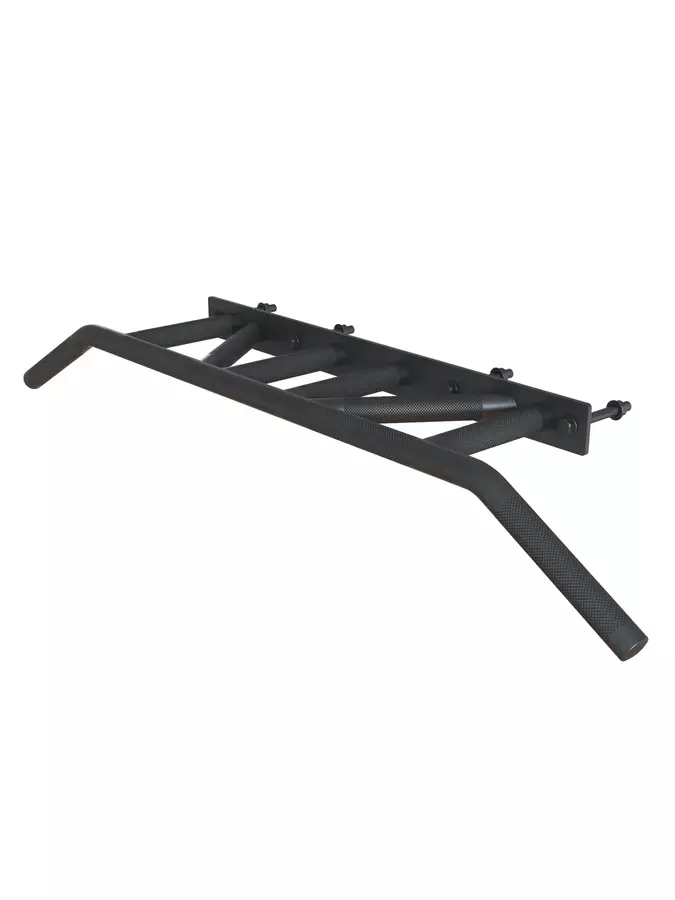
Most important is the pulling path for this exercise. When you want to pull the bar below your chest, you need to follow a C-shape pulling path.. Don't pull vertically straight up (except for the Upper-Chest-To-Bar Pull Ups Progression), you need to pull at a slight angle backward, so you can pull “around” the bar
Follow these rules when you combine the two:
- Do strength first on any shared day, while you are fresh, then finish with HIIT.
- Separate the hard sessions by 24 hours or more whenever your schedule allows.
- Keep HIIT mostly conditioning and lower-body so it does not eat into your pulling and pushing volume.
- Cap it at two hard HIIT sessions a week while you are running a demanding strength program.
The cleanest setup is to anchor your week to a full-body strength plan and slot HIIT into the gaps. If you train calisthenics strength three days a week, two short HIIT sessions on separate days give you conditioning without ever colliding with a strength day.
HIIT and recovery: how much is too much
HIIT is deceptively taxing, and recovery is where most people get it wrong. A true max-effort session stresses not just your muscles but your central nervous system and your joints, and that stress accumulates faster than the short session length suggests.
Your nervous system needs roughly 48 hours to reset after an all-out session, which is why HIIT days should never sit back to back. Push past that too often and you tip into overtraining: chronically elevated cortisol, which can stall the fat loss you were chasing and start eating into muscle. More HIIT is not more results. Past a point it is simply more fatigue.
Watch for these signs you are doing too much:
- Rising resting heart rate or restless, poor sleep.
- Strength going backwards on your calisthenics movements.
- Lingering soreness, low mood, or nagging joint aches.
Keep the frequency sane. Two to three HIIT sessions a week is plenty, and closer to one or two if your strength volume is high. Because a typical calisthenics strength program already runs three training days a week, two well-spaced HIIT sessions fit around it perfectly and leave your recovery intact.
Frequently asked questions
How many times a week should you do HIIT?
Two to three sessions a week is the sweet spot, and fewer if you also do hard strength training. Your nervous system needs around 48 hours to recover from a true max-effort session, so space HIIT days out and never stack them back to back.
Can you do HIIT and strength training on the same day?
Yes, but do your calisthenics strength work first while you are fresh, then finish with the HIIT. Lifting-then-HIIT protects your strength gains, since a hard conditioning block beforehand would leave you too fatigued to train the movements well.
Does HIIT burn fat?
Yes. HIIT burns a lot of calories in a short window and keeps your metabolism slightly elevated afterward through the EPOC afterburn effect. The afterburn is real but modest, so total weekly activity and diet still matter more than any single session.
Can HIIT make you lose muscle?
Only if you overdo it. Two or three sensible sessions a week will not cost you muscle. But daily max-effort HIIT with under-eating and poor sleep raises cortisol and can eat into muscle, which is exactly why frequency and recovery are capped.
How long should a HIIT workout be?
Ten to thirty minutes total, including warm-up and cool-down. The hard working portion is usually only 10 to 20 minutes. If you can sustain the pace for much longer than that, you are not training at true high intensity.
Add conditioning without guessing the intervals: start a timed HIIT session at your level, and anchor it to a full calisthenics strength program, free in Simple Calisthenics.
Start free trialFAQ
- How many times a week should you do HIIT?
- Two to three sessions a week is the sweet spot, and fewer if you also do hard strength training. Your nervous system needs around 48 hours to recover from a true max-effort session, so space HIIT days out and never stack them back to back.
- Can you do HIIT and strength training on the same day?
- Yes, but do your calisthenics strength work first while you are fresh, then finish with the HIIT. Lifting-then-HIIT protects your strength gains, since a hard conditioning block beforehand would leave you too fatigued to train the movements well.
- Does HIIT burn fat?
- Yes. HIIT burns a lot of calories in a short window and keeps your metabolism slightly elevated afterward through the EPOC afterburn effect. The afterburn is real but modest, so total weekly activity and diet still matter more than any single session.
- Can HIIT make you lose muscle?
- Only if you overdo it. Two or three sensible sessions a week will not cost you muscle. But daily max-effort HIIT with under-eating and poor sleep raises cortisol and can eat into muscle, which is exactly why frequency and recovery are capped.
- How long should a HIIT workout be?
- Ten to thirty minutes total, including warm-up and cool-down. The hard working portion is usually only 10 to 20 minutes. If you can sustain the pace for much longer than that, you are not training at true high intensity.