Split Squat Progressions
Muscles worked
- Hip Flexors
- Rectus Femoris
Form Cues
-
Position yourself in a split stance with one foot forward and one behind, both feet hip-width apart for balance.
-
Tuck your pelvis slightly under (posterior pelvic tilt) to maximise the hip flexor stretch and protect your lower back.
-
Keep your upper body tall and your core braced: avoid arching or rounding the back.
-
The front knee should track over the ankle, aligned with the second toe; do not let it cave inward.
-
Lower your back knee toward the ground in a slow, controlled manner.
-
You should feel the stretch primarily in the front of the rear hip, where the hip flexor attaches.
-
Breathe steadily throughout: exhale as you lower or press forward, inhale as you return.
-
Keep the hips square and facing forward; avoid any lateral shifting or rotation.
Progressions
01 Half Kneeling Lunge Pulses
-
Start in a half-kneeling position with one knee on the floor and the other foot planted forward, both legs at roughly 90 degrees.
-
Place a cushion or folded towel under your back knee for comfort if needed.
-
Tuck your pelvis slightly under (posterior pelvic tilt) to maximise the hip flexor stretch on the rear leg.
-
Gently pulse your hips forward and back in a small, controlled range: about 5-10 cm of movement.
-
Keep your torso tall and core braced throughout; avoid arching your lower back.
-
You should feel the stretch deep in the front of the rear hip, not in the lower back.
-
Breathe steadily: exhale as you press the hips forward, inhale as you release back.
-
Aim for a smooth rhythm of roughly one pulse per second.
-
02 Half Kneeling Deep Lunge Pulse
-
From a half-kneeling position, slide your front foot slightly further forward to create a deeper lunge angle.
-
Tuck your pelvis under (posterior pelvic tilt) before you begin pulsing to protect the lower back and target the hip flexors.
-
Sink your hips down and forward, then pulse gently in the bottom range of the movement.
-
Keep the pulses small and controlled: focus on gradually deepening the stretch rather than bouncing.
-
Maintain a tall, upright torso throughout; your shoulders should stay directly above your hips.
-
You should feel an intense stretch in the front of the rear hip and possibly the upper quad.
-
Breathe deeply: exhale as you sink deeper, inhale as you ease back slightly.
-
Use your hands on the front knee or a support surface for balance if needed.
-
03 Front Foot Elevated Split Squat Pulse
Box / Bench / Step / Chair / etc.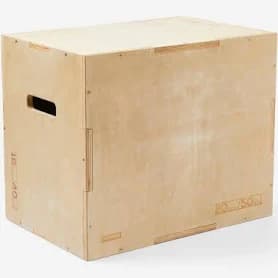
-
Place your front foot on a low platform (10-20 cm) such as a step or sturdy block, with your back knee on the ground.
-
Tuck your pelvis under and brace your core before lowering into the split squat.
-
Lower your hips down and forward into the deepest range you can control, then pulse gently at the bottom.
-
The elevation of the front foot increases the hip flexor stretch on the rear leg: focus on feeling it there.
-
Keep your chest tall and avoid leaning forward; imagine your spine growing upward.
-
Track your front knee over your second toe: do not let it collapse inward.
-
Breathe steadily: exhale as you sink deeper, inhale as you ease back.
-
Place your hands on your front thigh or use a wall for balance support if needed.
-
04 Loaded Split Squat Stretch
Dumbbells or Kettlebells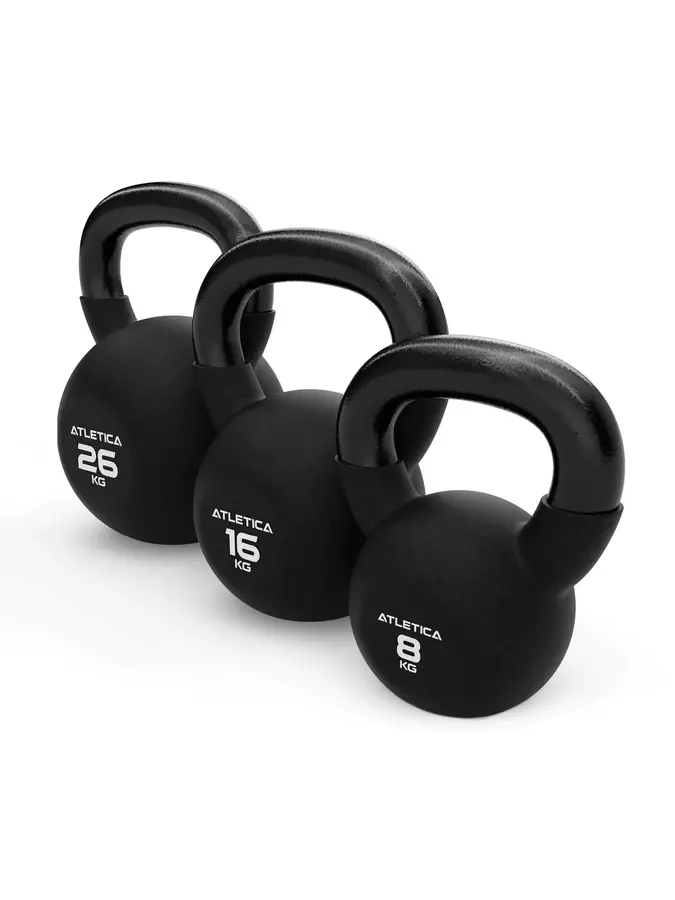
-
Hold a dumbbell or kettlebell in the goblet position (at your chest) or one in each hand at your sides.
-
Set up in a deep split squat stance with your back knee hovering just above the ground.
-
Tuck your pelvis slightly under and brace your core to direct the stretch into the hip flexors, not the lower back.
-
Sink into the lowest range and either hold the position or pulse gently: the added load deepens the stretch passively.
-
Keep your torso upright and centred between your legs; do not lean forward.
-
Start with a light weight and increase gradually as your mobility improves.
-
Breathe deeply and steadily: use each exhale to relax further into the stretch.
-
Maintain control throughout; the weight should enhance the stretch, not compromise your form.
-
Common mistakes
Built into a program made for you
Every exercise here adapts to your goals, equipment and schedule inside the app.