Spine Flexion Stretches
Muscles worked
- Back Extensors
- Lower Back
- Quadratus Lumborum
- Lat
- Trapezius
- Middle Traps
- Rear Neck
- External Rotators
Form Cues
-
Begin in an upright position with a neutral spine.
-
Slowly roll forward vertebra by vertebra, starting from the head and working down through the thoracic spine.
-
Let your head hang relaxed and your arms dangle loosely.
-
Breathe deeply and feel the stretch along the entire posterior chain of the spine.
-
Keep your knees slightly bent to protect the lower back.
-
Hold the end position for 20-30 seconds, using each exhale to deepen the stretch.
-
Roll back up slowly, stacking each vertebra one at a time.
-
Gently engage your abdominals for stability throughout the movement.
-
Perform the movement in a controlled manner without momentum.
Progressions
01 Cat Stretch (Child Pose)
-
Begin in a child’s pose position with your knees together or slightly apart and your hips sitting back toward your heels.
-
Extend your arms out in front of you on the floor, reaching as far forward as possible.
-
Round your upper back and shoulders, actively spreading your shoulder blades apart to deepen the thoracic flexion.
-
Press your chest gently toward the floor while keeping your hips anchored back on your heels.
-
Let your head hang relaxed between your arms: avoid lifting or straining the neck.
-
Breathe deeply into your upper back, feeling the ribcage expand with each inhale.
-
Use each exhale to sink deeper into the stretch, allowing the spine to round further.
-
Hold the position for the prescribed duration, maintaining active engagement through the upper back.
-
02 Seated Spine Flexion
Box / Bench / Step / Chair / etc.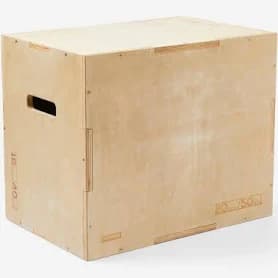
-
Sit on a bench or chair with your feet flat on the floor, hip-width apart, and knees slightly bent.
-
Begin by tucking your chin toward your chest, then slowly roll your spine forward vertebra by vertebra.
-
Allow your torso to fold over your thighs, rounding through the entire spine rather than hinging at the hips.
-
Let your arms hang loosely toward the floor, reaching toward your feet or the ground.
-
Focus on creating a smooth, even curve from the base of your skull to your lower back.
-
Breathe deeply and use each exhale to deepen the forward fold and increase the spinal curve.
-
Keep your weight centered on your sit bones: avoid shifting forward onto your feet.
-
Hold the end position for the prescribed duration, then slowly roll back up, restacking each vertebra.
-
03 Standing Loaded Partial Spine Flexion
-
Stand with your feet together and arms hanging relaxed by your sides.
-
Begin by tucking your chin to your chest, then slowly round only through the upper and mid back.
-
Stop the curl at roughly the level of your lower ribcage: do not continue into the lumbar spine.
-
Keep your hips stacked directly over your ankles and your lower body completely stable.
-
Let your arms dangle as you curl forward, feeling the stretch through the thoracic spine.
-
Focus on separating each vertebra as you round, creating space between the segments.
-
Hold briefly at the bottom of the partial curl, then slowly reverse the movement, restacking from the lower thoracic up to the neck.
-
Breathe steadily throughout: exhale as you curl down, inhale as you return to standing.
-
04 Standing Loaded Spine Flexion
Dumbbells or Kettlebells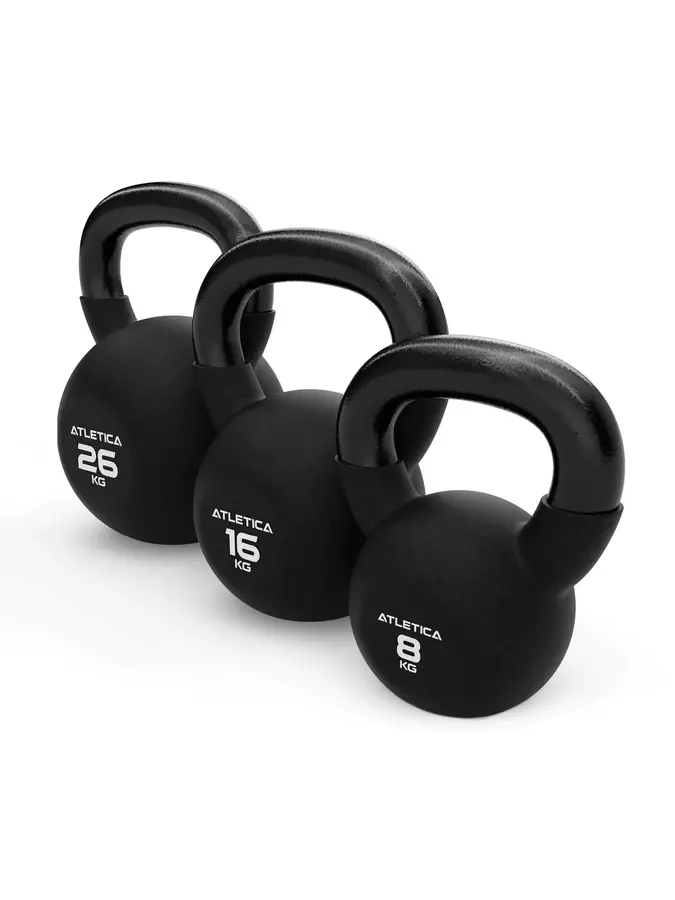
-
Stand with your feet together and hold a light weight in your hands.
-
Begin rounding your spine from your head, allowing each vertebra to move in sequence.
-
Focus on curling through the entire spine without engaging your hips or hinging.
-
Lower the weight slowly as your spine rounds, moving fully through the spinal range of motion.
-
Once you’ve curled as far as possible, reverse the movement by slowly stacking each vertebra back up, returning to a standing position.
-
05 Seated Loaded Spine Flexion
Dumbbells or Kettlebells-
Sit on a bench or chair with your feet flat on the floor, holding a dumbbell or kettlebell at chest height or behind your head.
-
Begin in a tall seated position, then slowly round your spine forward, curling vertebra by vertebra from the top down.
-
Let the weight pull you deeper into the spinal flexion as you fold forward over your thighs.
-
Focus on creating a smooth, segmental curve through the entire spine: avoid hinging only at the hips.
-
Pause at the bottom of the movement, feeling the weight create gentle traction through the posterior spine.
-
Slowly reverse the movement, restacking each vertebra one at a time to return to the upright position.
-
Keep the weight close to your body throughout to maintain control and avoid excessive loading.
-
Breathe steadily: exhale as you curl forward, inhale as you return to upright.
-
Common mistakes
Built into a program made for you
Every exercise here adapts to your goals, equipment and schedule inside the app.