Shoulder Abduction Progressions
Muscles worked
- Rear Shoulder
- Middle Traps
- Upper Back
- Chest
- Bicep
Form Cues
-
Start in an upright position with your arms at your sides
-
Keep your trunk stable and your spine neutral
-
Raise your arms slowly and in a controlled manner to the sides
-
Perform the movement to shoulder height or slightly above
-
Keep your thumbs slightly pointed upward
-
Avoid pulling your shoulders up toward your ears
-
Lower your arms slowly and with control
-
Start with light or no weight and progress gradually
Progressions
01 Slightly Bent-Over Shoulder Abduction
-
Stand with feet hip-width apart, knees slightly bent, and hinge forward approximately 20-30 degrees at the hips while keeping your back flat and chest lifted.
-
Let your arms hang naturally in front of you with palms facing each other, holding light weights or using bodyweight only depending on your current strength level.
-
Raise your arms outward to the sides in a wide arc, keeping a slight bend in the elbows and leading with the backs of the hands to target the rear deltoids.
-
Squeeze your shoulder blades together at the top of the movement, pausing for 1-2 seconds to maximize rear deltoid and mid-trapezius engagement.
-
Lower your arms back to the starting position slowly over 2-3 seconds, maintaining constant tension in the rear shoulders throughout the descent.
-
Keep your shoulders depressed away from your ears during the entire movement to prevent the upper trapezius from taking over the work.
-
Exhale as you raise your arms to the sides and inhale as you lower them, coordinating your breath with the tempo of each repetition.
-
Perform each rep with a controlled, deliberate tempo and avoid using momentum from your legs or torso to swing the arms upward.
-
02 Bent-Over Shoulder Abduction
-
Stand with feet hip-width apart and hinge deeply at the hips until your torso is nearly parallel to the ground, maintaining a flat back and slight knee bend throughout.
-
Let your arms hang straight down toward the floor with palms facing each other, holding light weights or using bodyweight only for this progression.
-
Raise your arms out to the sides in a wide reverse fly motion, leading with your elbows slightly bent and focusing on driving the movement from the rear deltoids.
-
Squeeze your shoulder blades firmly together at the top of the movement and hold for 1-2 seconds to maximize the contraction in the rear delts and mid traps.
-
Lower your arms back down with control over 2-3 seconds, resisting gravity and keeping constant tension in the posterior shoulder muscles.
-
Keep your core braced and your back flat throughout every repetition to protect your lower back and ensure the rear shoulders do the work.
-
Exhale as you raise your arms to the sides and inhale as you lower them, maintaining a steady breathing rhythm that matches the tempo of the exercise.
-
Avoid lifting your torso upward during the raise, as this deeper bent-over angle is what makes this progression more challenging than the slightly bent-over version.
-
03 Prone Lying Shoulder Abduction
-
Lie face down on a bench or elevated surface with your chest supported and your head just over the edge, allowing your arms to hang freely toward the floor.
-
Start with your arms hanging straight down, palms facing each other, using bodyweight only for this progression to focus on proper muscle activation.
-
Raise your arms out to the sides in a wide arc, keeping a slight bend in the elbows and leading the movement with the backs of your hands.
-
Squeeze your shoulder blades firmly together at the top of the movement, holding for 1-2 seconds to maximize rear deltoid and mid-trapezius engagement.
-
Lower your arms slowly and with control over 2-3 seconds, maintaining tension in the rear shoulders throughout the entire descent back to the starting position.
-
Keep your forehead resting on the bench or looking slightly down to maintain a neutral neck position and avoid straining the cervical spine.
-
Exhale as you raise the arms and inhale as you lower them, using steady breathing to maintain core stability and control throughout each repetition.
-
The prone position eliminates momentum and lower back compensation, making this a stricter variation that isolates the rear deltoids more effectively than standing versions.
-
04 Loaded Prone Lying Shoulder Abduction
Dumbbells or Kettlebells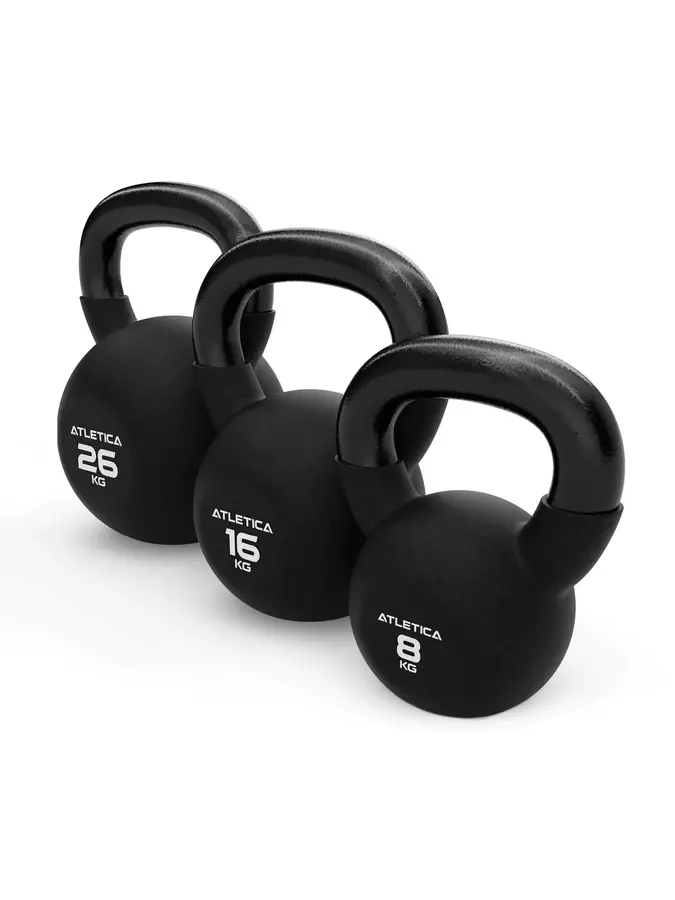
-
Lie face down on a bench with your chest fully supported, holding a light dumbbell or kettlebell in each hand with your arms hanging straight down toward the floor.
-
Begin with a weight that allows you to perform all repetitions with perfect form, as this loaded variation demands greater shoulder stability than the bodyweight version.
-
Raise both arms out to the sides in a controlled reverse fly motion, keeping a slight bend in the elbows and leading with the backs of the hands.
-
Squeeze your shoulder blades together firmly at the top of each repetition, holding for 1-2 seconds to build isometric strength in the retracted position.
-
Lower the weights slowly over 2-3 seconds, resisting the pull of gravity and maintaining constant tension in the rear deltoids and mid traps throughout the descent.
-
Keep your wrists neutral and the weights stable throughout the movement, avoiding any rotation or swinging of the dumbbells during the raise or lower.
-
Exhale as you lift the weights to the sides and inhale as you lower them, maintaining a steady breathing pattern that supports core stability on the bench.
-
Progress the weight gradually over time, adding small increments only when you can complete the full range of motion with a controlled pause at the top of every rep.
-
Common mistakes
Built into a program made for you
Every exercise here adapts to your goals, equipment and schedule inside the app.