Pullovers Progressions
Muscles worked
- Lat
- Tricep
- Chest
Form Cues
-
Lie on your back on a bench or the floor
-
Hold a weight or bar with straight arms over your chest
-
Engage your trunk and keep your lower back neutral
-
Slowly lower the weight behind your head
-
Keep your elbows slightly bent throughout the movement
-
Feel the stretch in your chest and lats
-
Bring the weight back to the starting position with control
-
Breathe in while lowering, breathe out while pulling up
-
Avoid overextending your back
Progressions
01 Wall Lat Stretch Iso
-
Stand facing a wall with your feet hip-width apart and place both hands flat against the wall at shoulder height or slightly above.
-
Step back far enough so that when you hinge at the hips and lean your chest forward, your arms are fully extended and you feel a stretch in the lats.
-
Once in the stretched position, actively push your hands into the wall with moderate effort as if trying to slide them downward: this creates the isometric contraction.
-
Hold the isometric push for 5-10 seconds while maintaining a flat back and neutral spine, keeping your core engaged throughout.
-
Release the contraction, then gently press your chest deeper toward the floor to take advantage of the post-contraction relaxation for a greater stretch.
-
Breathe steadily during the hold: exhale as you contract into the wall, inhale as you release and deepen.
-
Repeat the contract-relax cycle for the prescribed number of repetitions, aiming to gain a small amount of range with each cycle.
-
Keep your shoulders depressed and away from your ears during both the contraction and the stretch phases to ensure the lats are properly targeted.
-
02 Ring Rollouts
Gymnastic Rings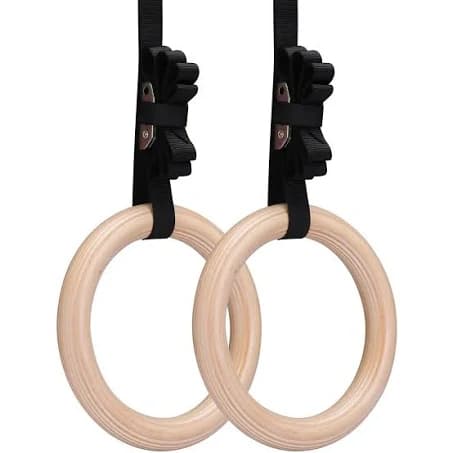
-
Stand upright holding the gymnastic rings at about chest or shoulder height with your arms extended in front of you, body leaning slightly forward.
-
Slowly allow your body to fall forward by extending your arms overhead in a controlled arc, keeping your elbows straight and your core tightly braced.
-
Continue rolling out until your arms are fully extended above your head and you feel a deep stretch through the lats, chest, and shoulders.
-
Pause briefly in the fully extended position, maintaining a straight line from hands to hips: avoid letting your lower back sag or arch excessively.
-
Pull yourself back to the starting position by powerfully engaging your lats and core, squeezing from the shoulders to initiate the return.
-
Control the tempo throughout: take 3-4 seconds to roll out and 2-3 seconds to pull back, never letting gravity take over.
-
Exhale as you pull back to the start, inhale as you extend forward into the stretch.
-
To make this easier, stand more upright with a smaller forward lean; to make it harder, walk your feet further back to increase the angle of your body.
-
03 Bench Pullover
Flat Bench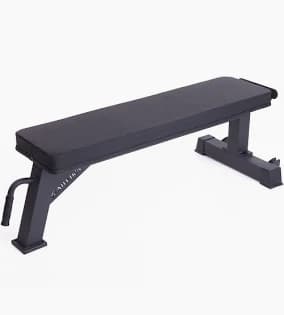 Dumbbells or Kettlebells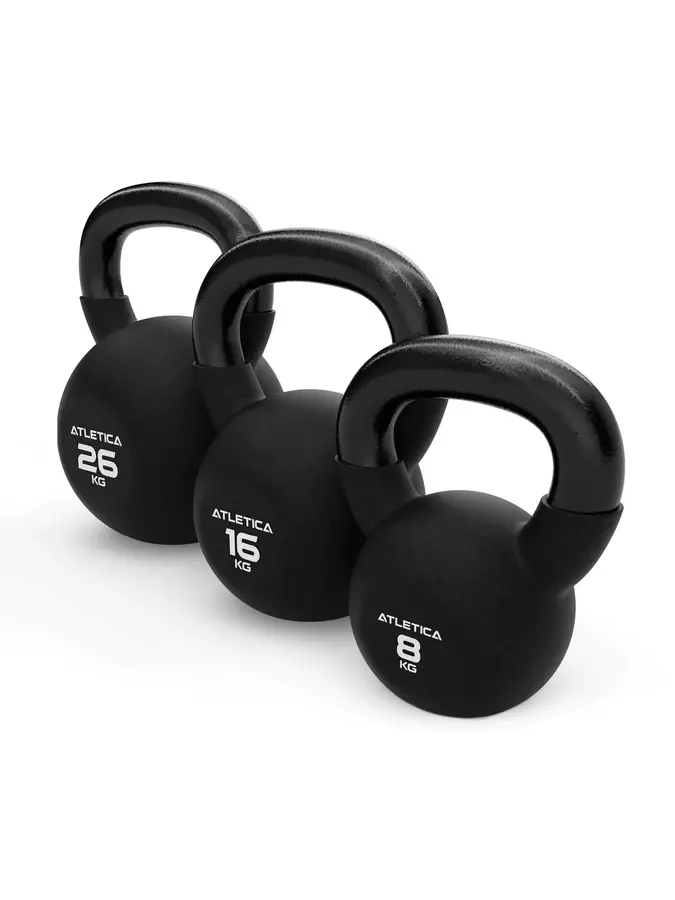
-
Lie across a flat bench with only your upper back and shoulder blades supported on the bench, feet flat on the floor at about hip width, and hips lifted to form a straight line from knees to shoulders.
-
Hold a dumbbell or kettlebell with both hands, arms extended straight above your chest, with a slight bend in the elbows that remains consistent throughout.
-
Lower the weight behind your head in a slow, controlled arc, keeping your hips elevated and your core braced to prevent the lower back from overextending.
-
Continue lowering until you feel a deep stretch in the lats and chest: the weight should travel behind and slightly below head level at the bottom of the rep.
-
Pause for 1-2 seconds at the bottom of the movement, actively feeling the stretch through the lats, chest, and long head of the triceps.
-
Pull the weight back to the starting position by engaging the lats and squeezing the chest, maintaining the same elbow angle throughout the return.
-
Inhale as you lower the weight behind your head, and exhale as you pull it back over your chest.
-
Use a weight that allows full range of motion with control: if your hips drop significantly or your elbows flare, reduce the load.
-
04 Low-Hip Cross Bench Pullover
Flat BenchDumbbells or Kettlebells-
Lie across a flat bench with your upper back and shoulder blades on the bench, feet flat on the floor, but intentionally lower your hips toward the ground instead of keeping them elevated.
-
Hold a dumbbell or kettlebell with both hands, arms extended above your chest with a slight consistent bend in the elbows.
-
As you lower the weight behind your head, simultaneously allow your hips to drop further toward the floor, creating a combined lat stretch and spinal extension.
-
The low hip position dramatically increases the stretch on the lats, chest, and abdominals compared to the standard bench pullover: expect a much more intense sensation.
-
Pause for 1-2 seconds at the bottom with your hips low and the weight behind your head, breathing into the stretched position to maximize the range of motion.
-
Pull the weight back over your chest while allowing your hips to rise slightly, coordinating the hip lift with the pullover for a smooth, rhythmic movement.
-
Inhale deeply as you lower the weight and drop your hips, exhale as you pull the weight back and hips rise.
-
Start with a lighter weight than your standard bench pullover, as the increased stretch and spinal extension demand significantly more control and shoulder mobility.
-
Common mistakes
Built into a program made for you
Every exercise here adapts to your goals, equipment and schedule inside the app.