Pancake Stretches
Muscles worked
- Hip Adductors
- Hamstrings
- Back Extensors
- Gluteus
- Lower Back
Form Cues
-
Sit on the floor with your legs spread wide apart
-
Fully extend your legs and flex your feet toward you
-
Keep your back straight and your chest upright
-
Inhale deeply and lengthen your spine
-
While exhaling, slowly bend forward from the hips
-
Reach your arms forward between your legs
-
Try to bring your chest and belly toward the floor
-
Hold the position for 30-60 seconds
-
Breathe calmly and relax into the stretch
Progressions
01 Narrow Bent-Knee Pancake Stretch
-
Sit on a bench with your feet flat on the ground, knees bent at approximately 90 degrees, and legs in a narrow straddle position roughly shoulder-width apart.
-
Hinge forward from your hips while keeping your spine long and straight, reaching your hands toward the floor for support and balance.
-
The bent-knee position reduces tension on the hamstrings, making this the most accessible pancake variation for beginners with limited hip mobility.
-
Place your hands on the floor between your legs or on your shins to help guide your torso progressively closer to the ground.
-
Focus on tilting your pelvis forward (anterior pelvic tilt) rather than rounding your upper back to achieve a deeper fold.
-
Keep your chest open and lead the descent with your sternum, imagining you are reaching your belly button toward the floor.
-
Breathe deeply and calmly, using each exhale to relax your hip adductors and allow your torso to sink a little closer to the ground.
-
Hold the stretch for the prescribed duration, gradually working to increase depth over time without forcing the position.
-
02 Straddle Bent-Knee Pancake Stretch
-
Sit on a bench with your legs spread wider than shoulder-width in a straddle position, knees bent and feet flat on the ground.
-
Hinge forward from your hips, keeping your back straight and your chest lifted as you descend toward the floor.
-
The wider straddle places greater demand on the inner thighs and adductors compared to the narrow variation, increasing the stretch intensity.
-
Use your hands on the floor or your inner thighs for balance and assistance, helping guide your torso deeper into the fold.
-
Maintain an anterior pelvic tilt throughout: think of rotating your pelvis forward so your belly leads the descent rather than your shoulders.
-
Keep your knees tracking over your toes and avoid letting them collapse inward as you lean forward.
-
Breathe deeply and rhythmically, using each exhale to relax the adductors and allow your torso to sink further toward the ground.
-
Hold the stretch for the prescribed duration, aiming to feel a strong but comfortable pull along the inner thighs and hamstrings.
-
03 Elevated Pancake Stretch
Box / Bench / Step / Chair / etc.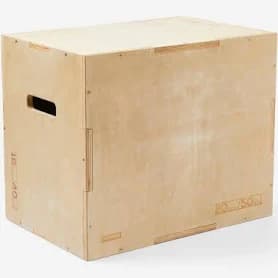
-
Sit on an elevated surface such as a yoga block, folded towel, or firm cushion, and spread your legs into a wide straddle with the knees straight and toes pointed upward.
-
The elevation tilts your pelvis forward naturally, making it significantly easier to achieve an anterior pelvic tilt and a deeper forward fold compared to sitting flat on the floor.
-
Lean forward from the hips with a straight spine, leading with your chest and sternum rather than rounding your upper back.
-
Place your hands on the floor in front of you for support, walking them forward as your flexibility allows to deepen the stretch progressively.
-
Keep your legs straight and actively press the backs of your knees into the floor to maintain full leg extension throughout the stretch.
-
Focus on feeling the stretch through your inner thighs, adductors, and hamstrings: the elevation should make this more accessible without reducing the stretch quality.
-
Breathe deeply and steadily, using each exhale to relax your muscles and allow your torso to descend a little further toward the floor.
-
Hold the position for the prescribed duration, and consider experimenting with different elevation heights to find the level that provides the best balance of challenge and accessibility.
-
04 Pancake Stretch
-
Sit flat on the floor with your legs spread as wide as possible in a full pancake straddle, keeping both legs straight with the knees locked out and toes pointed upward.
-
Hinge forward from the hips while maintaining a straight spine, leading with your chest rather than rounding your back to reach the floor.
-
Place your hands on the floor in front of you or hold onto your ankles or feet to assist in pulling your torso deeper into the fold.
-
Actively press the backs of your knees into the ground and engage your quadriceps to maintain full leg extension throughout the stretch.
-
Focus on creating length through your entire spine: imagine reaching your sternum forward and down toward the floor between your legs.
-
Without the benefit of elevation or bent knees, this variation requires more hip mobility, so be patient and avoid forcing depth that your body is not yet ready for.
-
Breathe deeply and calmly, using each exhale to relax the adductors, hamstrings, and lower back, allowing the torso to sink progressively closer to the ground.
-
Hold the stretch for the prescribed duration, aiming for a strong but tolerable sensation in the inner thighs and along the backs of the legs.
-
05 Loaded Pancake Stretch
-
Sit flat on the floor in a full pancake straddle with legs spread wide, knees straight, and toes pointing upward, then hold a weight such as a plate or dumbbell in both hands in front of your chest.
-
Hinge forward from the hips with a straight spine, allowing the weight to assist gravity in pulling your torso deeper into the pancake fold.
-
Keep your arms extended and guide the weight forward and downward as you descend, placing it on the floor in front of you once you reach your maximum depth.
-
The added load provides a gentle, consistent force that helps overcome muscular resistance and access a deeper range of motion than bodyweight alone.
-
Maintain an anterior pelvic tilt and lead with your chest: the weight should enhance the stretch through the adductors and hamstrings without causing you to round your back.
-
Start with a light weight (2-5 kg) and only increase the load gradually as your flexibility improves and you can maintain proper spinal alignment.
-
Breathe deeply and calmly throughout, using each exhale to relax into the stretch and allow the weight to draw you a little further toward the ground.
-
Hold the stretched position for the prescribed duration, and carefully return the weight to a safe position before coming back up to avoid any sudden strain.
-
Common mistakes
Built into a program made for you
Every exercise here adapts to your goals, equipment and schedule inside the app.