Overhead Stretches
Muscles worked
- Lat
- Tricep
- Chest
Form Cues
-
Stand upright with your feet shoulder-width apart
-
Raise one or both arms overhead
-
Interlace your fingers and turn your palms toward the ceiling
-
Stretch gently upward, feeling the stretch along the sides
-
Keep your shoulders relaxed and away from your ears
-
Breathe deeply and evenly during the stretch
-
Hold the position for 15-30 seconds
-
Lean slightly to the side if needed for a more intense lateral stretch
-
Return slowly to the starting position
Progressions
01 Wall Lat Stretch
-
Stand facing a wall with your feet about hip-width apart and place both hands flat against the wall at shoulder height or slightly above.
-
Step back far enough so that when you hinge forward at the hips, your arms are fully extended and your torso is roughly parallel to the floor.
-
Press your chest downward toward the ground while keeping your arms straight, feeling a deep stretch through the lats and the sides of your ribcage.
-
Maintain a neutral spine and avoid excessive rounding of the upper back: think about pushing your sternum toward the floor.
-
Keep your shoulders actively depressed, pulling them away from your ears even as you sink deeper into the stretch.
-
Breathe slowly and deeply, using each exhale to relax your chest a little closer to the ground and deepen the lat stretch.
-
Hold the position for the prescribed duration, aiming to progressively increase the depth of the stretch over each set.
-
To exit the stretch safely, walk your feet forward toward the wall and slowly raise your torso back to an upright position.
-
02 Single-Arm Wall Lat Stretch
-
Stand facing a wall and place one hand flat against the wall at shoulder height or slightly above, with the arm fully extended.
-
Step back and hinge at the hips, letting your torso fold forward until you feel a clear stretch along the lat of the working arm.
-
Keep the non-working arm relaxed at your side or resting on your hip: this isolates the stretch to one side of the body at a time.
-
Press your chest downward and slightly toward the side of the wall arm to intensify the unilateral lat and shoulder stretch.
-
Maintain a neutral spine throughout and avoid rotating your torso: keep your hips and shoulders as square as possible.
-
Breathe deeply and evenly, using each exhale to sink your chest a little lower and deepen the stretch on the working side.
-
Hold the position for the prescribed duration on one side, then switch hands and repeat the stretch on the opposite side for equal time.
-
Progress by stepping further back from the wall or placing your hand higher to increase the overhead angle of the stretch.
-
03 Overhead Lat Stretch
-
Grip a bar with both hands at approximately shoulder width and allow your body to hang freely with your feet off the ground.
-
Relax your shoulders and let your bodyweight create a natural traction through the entire shoulder girdle, lats, and thoracic spine.
-
Shift your hips gently to one side so that the opposite lat and side body receive a deeper, more targeted stretch.
-
Keep both arms straight and avoid bending the elbows: the goal is full passive lengthening under bodyweight.
-
Breathe slowly and deeply into the stretched side of your ribcage, allowing the intercostals to open with each inhale.
-
Hold the laterally shifted position for the prescribed duration, then shift your hips to the opposite side and repeat for equal time.
-
Keep your grip secure but your upper traps and neck as relaxed as possible to maximize the decompression effect.
-
If full hanging is too intense, keep your toes lightly touching the ground to reduce the load while still achieving a meaningful stretch.
-
04 Mermaid Hang
Gymnastic Rings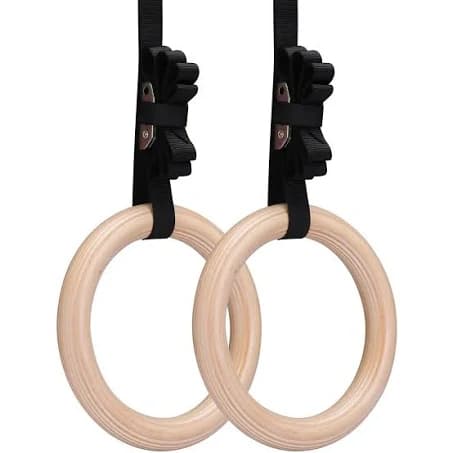
-
Grip the gymnastic rings at approximately shoulder width and hang freely, allowing your bodyweight to fully decompress your shoulders and spine.
-
Cross one leg over the other in a "mermaid" position, which naturally shifts your hips to one side and creates a deep lateral stretch.
-
Let the hip shift pull your torso into a gentle side bend, lengthening the lat, obliques, and intercostals on the stretched side.
-
Keep both arms straight and your grip relaxed but secure: avoid squeezing the rings excessively, which can create unnecessary upper body tension.
-
Breathe deeply into the ribcage on the stretched side, feeling the intercostal muscles expand and open with each inhale.
-
Hold the position for the prescribed duration on one side, then uncross your legs, switch the crossing, and repeat on the opposite side.
-
Allow your body to sway gently if needed, but avoid active swinging: the stretch should be passive and gravity-driven.
-
The rings allow a slightly freer range of motion than a fixed bar, so use that freedom to find the angle that gives you the deepest stretch.
-
05 Mermaid Hang with External Rotation
Gymnastic Rings-
Grip a ring with one hand and hang freely, then externally rotate the hanging arm so that your bicep faces close to your ear and your palm turns outward.
-
Cross your legs in a mermaid position, shifting your hips toward the side of the hanging arm to create a deep lateral and overhead stretch.
-
The external rotation adds a significant rotational stretch to the shoulder capsule and the long head of the bicep in addition to the lat stretch.
-
Keep the hanging arm fully straight and avoid bending the elbow: the stretch is most effective when the entire arm is lengthened under load.
-
Use your free hand to lightly grip the ring strap or your hanging wrist for support if the single-arm load is too demanding on your grip.
-
Breathe deeply and calmly into the stretched side, allowing each exhale to release tension and let your body sink deeper into the position.
-
Hold for the prescribed duration on one side, then switch arms and repeat on the opposite side, ensuring equal time for both sides.
-
This is an advanced progression: if you feel sharp pain in the shoulder joint, reduce the external rotation or return to the standard Mermaid Hang until your mobility improves.
-
Common mistakes
Built into a program made for you
Every exercise here adapts to your goals, equipment and schedule inside the app.