Overhead Raise Progressions
Muscles worked
- Front Shoulder
- Serratus
- Trapezius
- Lat
Form Cues
-
Start with a shoulder-width stance, feet parallel
-
Hold the weights or band with a neutral or overhand grip
-
Engage your trunk and keep your back straight
-
Raise your arms forward in a controlled manner to shoulder height
-
Keep your elbows slightly bent throughout the entire movement
-
Avoid using momentum from your back or hips
-
Lower your arms slowly and with control
-
Keep your shoulders down and back - do not pull them toward your ears
-
Exhale while raising and inhale while lowering
Progressions
01 Standing Front Raise
-
Stand tall with your feet hip-width apart, arms hanging naturally in front of your thighs with palms facing down.
-
Brace your core and keep your spine in a neutral position throughout the entire movement to prevent swaying.
-
Raise both arms straight up in front of you in a smooth, controlled arc until they reach shoulder height, keeping the elbows slightly soft.
-
Focus on initiating the lift from the front deltoids rather than shrugging the shoulders or using momentum from the hips.
-
Hold briefly at shoulder height, squeezing the front of the shoulders before lowering.
-
Lower your arms back down slowly with a controlled 2-3 second tempo, resisting gravity on the way down.
-
Exhale as you raise the arms and inhale as you lower them, maintaining steady breathing throughout each repetition.
-
Perform each rep with intention and avoid rushing: this bodyweight variation builds the foundational shoulder control needed for harder progressions.
-
02 45° Bent-Over Front Raise
-
Stand with your feet hip-width apart and hinge forward at the hips to approximately a 45-degree angle, keeping your back flat and your knees slightly bent.
-
Let your arms hang naturally toward the ground with palms facing each other, maintaining a slight bend in the elbows.
-
Brace your core firmly to stabilize your torso and prevent any rocking or swaying during the movement.
-
Raise both arms forward and upward until they are in line with your torso, focusing on driving the movement from the front deltoids.
-
Maintain a fixed 45-degree torso angle throughout: do not stand up or round forward as you lift the arms.
-
Hold briefly at the top of each rep, feeling the contraction in the front of the shoulders before lowering.
-
Lower your arms with a slow, controlled tempo of 2-3 seconds, resisting gravity rather than letting them drop.
-
Exhale as you raise the arms and inhale as you lower them, keeping your neck relaxed and gaze directed at the floor.
-
03 90° Bent-Over Front Raise
-
Hinge fully at the hips until your torso is parallel to the floor, keeping your back flat, knees slightly bent, and core braced for stability.
-
Let your arms hang straight down toward the ground with palms facing each other and elbows slightly soft.
-
Raise both arms forward until they are in line with your ears, creating a straight line from hands to hips at the top of the movement.
-
This 90-degree position demands significantly more shoulder strength than the 45-degree variation, as the arms work directly against gravity throughout the full range.
-
Keep your back completely flat and avoid any rounding or arching: your torso should remain motionless while only the arms move.
-
Pause for 1-2 seconds at the top of each rep with arms fully extended to build end-range shoulder flexion strength.
-
Lower the arms with a controlled 2-3 second descent, maintaining tension in the front deltoids throughout the eccentric phase.
-
Exhale as you raise the arms and inhale as you lower them, keeping your head in line with your spine and gaze directed at the floor.
-
04 Prone Lying Front Raise
-
Lie face down on the floor with your arms fully extended overhead, thumbs pointing toward the ceiling and forehead resting gently on the ground.
-
Keep your chest, hips, and legs firmly pressed into the floor throughout the entire movement to isolate the shoulder muscles.
-
Engage your front deltoids and raise both arms off the floor in a slow, controlled manner while keeping them completely straight.
-
Lift to the highest point you can achieve without arching your lower back or lifting your chest off the ground.
-
Hold briefly at the top of each rep for 1-2 seconds, squeezing the muscles at the front of the shoulders.
-
Lower your arms back down with a smooth 2-3 second descent, maintaining tension throughout the eccentric phase.
-
Exhale as you lift the arms and inhale as you lower them, keeping your neck relaxed and in a neutral position.
-
This prone position is the most challenging bodyweight variation because gravity works against you through the entire range: reduce reps if needed to maintain perfect form.
-
05 Loaded Prone Lying Front Raise
Dumbbells or Kettlebells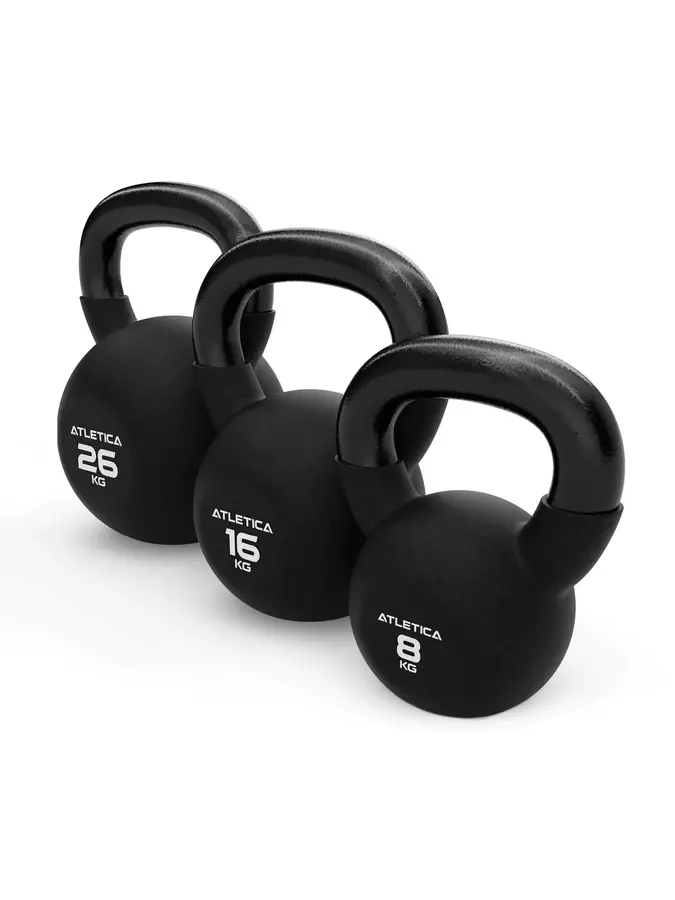
-
Lie face down on the floor with a light dumbbell or weight plate in each hand, arms fully extended overhead with thumbs pointing upward.
-
Keep your chest, hips, and legs firmly pressed into the floor throughout the entire movement to prevent compensation from the lower back.
-
Engage your front deltoids and raise both arms with the weights off the floor in a slow, controlled manner, keeping the arms completely straight.
-
Lift as high as you can without arching your lower back or lifting your chest: the added load makes it crucial to maintain strict form.
-
Pause for 1-2 seconds at the top of each rep, feeling the contraction in the front shoulders while the weights challenge your end-range strength.
-
Lower the weights with a smooth, controlled 2-3 second descent, resisting gravity and maintaining tension in the shoulders throughout.
-
Start with very light weights and prioritize range of motion and control over load: even 1-2 kg can be very challenging in this position.
-
Exhale as you lift the arms and inhale as you lower them, keeping your forehead resting on the ground and your neck in a neutral position.
-
Common mistakes
Built into a program made for you
Every exercise here adapts to your goals, equipment and schedule inside the app.