German Plank Progressions
Muscles worked
- Chest
- Front Shoulder
- Back Extensors
- Bicep
Equipment
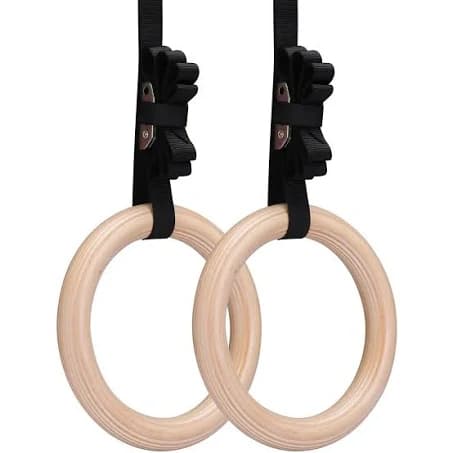
Form Cues
-
Face the floor with rings held behind your back: this is a ground-based back lever preparation
-
Depress the shoulders: push them down away from your ears to stabilise the shoulder girdle
-
Keep elbows completely straight and locked: think about pulling hands toward your hips
-
Maintain a hollow body with posterior pelvic tilt: do not let the lower back arch
-
Keep a straight line from head to toes: engage glutes, quads, and core throughout
-
Progress by lowering the ring height to increase the horizontal loading on the shoulders
Progressions
01 Incline German Plank
-
Set rings at about chest to shoulder height: the higher the rings, the easier the incline
-
Face the floor in a plank position, gripping rings behind your back with arms extended
-
Keep elbows completely locked throughout: do not let them bend
-
Maintain a straight line from head to toes: squeeze glutes and engage core
-
Depress the shoulders: push them down and away from your ears
-
Maintain hollow body with posterior pelvic tilt, no arching in the lower back
-
This is the entry-level progression: master this before lowering ring height
-
02 Low Incline German Plank
-
Set rings at about hip to knee height: lower than the incline version for more horizontal loading
-
Face the floor in a plank position, gripping rings behind your back with arms extended
-
Keep elbows completely locked: the lower ring height increases shoulder demand significantly
-
Maintain a straight line from head to toes: squeeze glutes and engage core hard
-
Depress the shoulders: push them down firmly away from your ears
-
Maintain hollow body with posterior pelvic tilt: the more horizontal position makes this harder
-
If you cannot maintain the straight line, raise the rings slightly until form is clean
-
03 Sprinter German Plank
-
Set rings at about hip height, face the floor gripping rings behind your back
-
Place one leg forward and bent (like a sprinter stance), the other extended straight behind you
-
The bent front leg provides ground support, allowing you to hold a more horizontal position
-
Keep elbows completely locked and arms straight throughout
-
Maintain a straight line from head through back leg: do not let the hips sag
-
Depress the shoulders firmly: push them down away from your ears
-
Alternate the lead leg between sets for balanced development
-
04 German Plank
-
Set rings at hip height: this is the full horizontal German Plank
-
Face the floor, gripping rings behind your back with straight arms, body fully horizontal
-
Keep elbows completely locked: this position mimics the back lever shoulder loading
-
Legs together and fully extended: squeeze quads and point toes
-
Maintain a perfect straight line from head to toes, no sagging or piking
-
Depress shoulders firmly and maintain hollow body with posterior pelvic tilt
-
This is the most demanding German Plank: builds the specific shoulder strength for the actual back lever
-
05 Leg-Supported Tuck Back Lever
-
Start from the German Plank position with rings at hip height
-
Lift your legs off the ground, tucking knees toward your chest
-
Allow your upper body to rotate backward, aiming for a horizontal tuck back lever position
-
Press feet against a wall or elevated surface to assist with the hold
-
Keep elbows locked straight throughout: do not let them bend
-
Maintain shoulder depression and hollow body: round upper back, tuck tailbone
-
This bridges the gap between German Plank and the actual tuck back lever on rings
-
06 Reverse Partial Skin The Cat
-
Start in the leg-supported tuck back lever position
-
Gradually remove leg support, briefly holding the unsupported tuck back lever
-
Slowly lower body further past horizontal, increasing shoulder extension stretch
-
Control the descent: this is a partial skin-the-cat movement in reverse
-
Use leg support again if you lose control at any point
-
Return to the start position with control: do not swing or kip
-
Keep elbows locked straight throughout the entire movement
-
This builds the shoulder flexibility and strength needed for the full back lever entry
-
Common mistakes
Built into a program made for you
Every exercise here adapts to your goals, equipment and schedule inside the app.