Diagonal Spine Rotation Reaches
Muscles worked
- Obliques
- Lower Back
- Quadratus Lumborum
- Back Extensors
- Hip Abductors
Form Cues
-
Begin in a stable starting position with your back straight and core engaged.
-
Reach diagonally across your body, rotating through the thoracic spine to create a reaching motion.
-
Focus on initiating the movement from the mid-back, not the shoulders or arms alone.
-
Maintain control throughout the entire range of motion: avoid jerky or rushed movements.
-
Breathe evenly, exhaling as you reach and inhaling as you return.
-
Keep your hips and lower body stable: the rotation should come from the thoracic spine.
-
Perform the desired number of repetitions on each side with matching intensity.
-
Think of lengthening through the spine as you rotate, creating space between the vertebrae.
Progressions
01 Half-Kneeling Backbend Ipsi
-
Start in a half-kneeling position with one knee on the floor and the opposite foot forward, creating a stable base.
-
Reach the arm on the same side as the back leg (ipsilateral) up and over, extending into a diagonal backbend.
-
Focus on creating length through the side of your body and spine as you bend backward and slightly sideways.
-
Keep your hips squared forward and stable: avoid letting them shift or rotate during the reach.
-
Engage your core to support the spine during the backbend and prevent excessive lumbar extension.
-
Breathe steadily: exhale as you reach overhead, inhale as you return to the starting position.
-
Perform controlled repetitions, reaching a little further with each rep as your body warms up.
-
Complete all reps on one side before switching the kneeling leg and repeating on the other side.
-
02 Half-Kneeling Backbend Contra
-
Begin in a half-kneeling position with one knee on the floor and the opposite foot forward.
-
Reach the arm on the opposite side of the back leg (contralateral) up and over, extending into a backbend with a rotational component.
-
The contralateral reach adds a thoracic rotation challenge compared to the ipsilateral variation.
-
Emphasize length through the opposite side of the spine and body, creating a diagonal stretch line from hip to fingertips.
-
Keep your hips squared forward and lower body completely stable throughout the movement.
-
Engage your core to prevent excessive arching in the lower back during the rotational reach.
-
Exhale as you reach and rotate, inhale as you return to the starting position.
-
Complete all reps on one side before switching to the other side.
-
03 Bent-Knee Diagonal Reaches
-
Stand with your feet slightly wider than hip-width apart and bend your knees into a partial squat position.
-
Reach one arm diagonally overhead while slightly rotating your torso in the direction of the reach.
-
Focus on creating length through the side of your spine and the lateral chain from hip to fingertips.
-
Keep your knees bent and your lower body anchored: the rotation should come from the thoracic spine.
-
Return to center with control, then reach to the other side, performing alternating repetitions.
-
Exhale as you reach and rotate, inhale as you return to center.
-
Maintain a stable base throughout: avoid shifting your weight excessively to one side.
-
Perform each rep with smooth, controlled movement, gradually increasing range as you warm up.
-
04 Straight-Knee Diagonal Reaches
-
Stand with your legs straight and feet slightly wider than hip-width apart.
-
Reach one arm diagonally overhead while rotating your torso, emphasizing length through the side of your spine.
-
Keep your legs straight and firmly planted: the straight-knee position increases the demand on hamstring flexibility and core stability.
-
Focus on driving the rotation from the thoracic spine, not just the arm or shoulder.
-
Alternate sides with controlled repetitions, pausing briefly at the top of each reach.
-
Maintain a stable lower body: avoid shifting your hips or bending your knees during the reach.
-
Exhale as you reach diagonally, inhale as you return to the center position.
-
Keep the movement fluid and controlled, gradually increasing range with each repetition.
-
05 Loaded Diagonal Reaches
Dumbbells or Kettlebells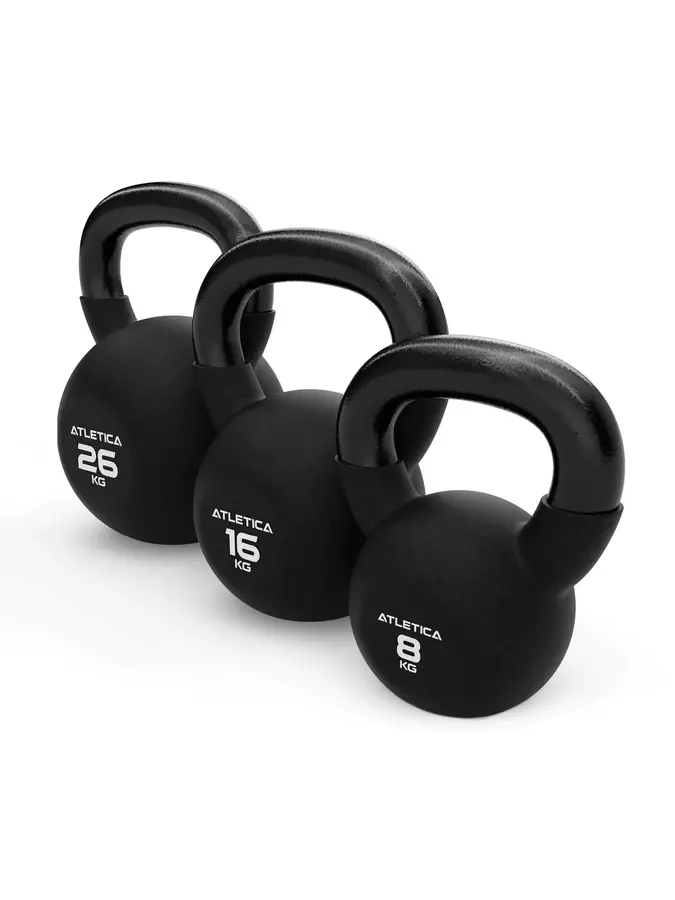
-
Hold a light dumbbell or kettlebell in one hand and stand with your feet shoulder-width apart.
-
Reach diagonally overhead with the weighted arm, rotating your torso and stretching through the spine.
-
The added weight creates gentle traction through the lateral chain, deepening the stretch and building strength.
-
Keep your core engaged to stabilize the spine and prevent excessive arching in the lower back.
-
Move slowly and with control: the weight should assist the stretch, not create momentum.
-
Exhale as you reach overhead, inhale as you return to the starting position.
-
Alternate sides with each repetition, maintaining equal intensity and range on both sides.
-
Start with a light weight and only increase once you can perform all reps with proper form.
-
Common mistakes
Built into a program made for you
Every exercise here adapts to your goals, equipment and schedule inside the app.