Chest Stretches
Muscles worked
- Chest
Form Cues
-
Stand in a doorframe or against a wall
-
Place your arm at a 90-degree angle against the wall
-
Slowly rotate your body away from the wall until you feel a stretch in your chest
-
Keep your shoulders relaxed and do not pull them up
-
Breathe deeply and evenly during the stretch
-
Hold the position for 20-30 seconds
-
Switch sides and repeat the stretch
-
Avoid jerky movements or overstretching
Progressions
01 Wall Bent-Arm Chest Stretch
-
Stand next to a wall or doorframe and place your forearm flat against the surface at shoulder height, with your elbow bent at exactly 90 degrees.
-
Step the foot closest to the wall slightly forward to create a stable, staggered stance that supports the rotation.
-
Slowly rotate your torso away from the wall until you feel a comfortable stretch across the chest and the front of the shoulder.
-
Keep your shoulder blade pulled back and down: avoid letting the shoulder roll forward or shrug upward during the stretch.
-
Maintain an upright posture with your core gently engaged to prevent arching the lower back as you deepen the rotation.
-
Breathe deeply and evenly throughout the hold, using each exhale to relax further into the stretch without forcing it.
-
Hold the stretch for the prescribed time on one side, then switch to the other arm and repeat with the same form and duration.
-
This bent-arm position primarily targets the pectoralis major and anterior deltoid: keep the stretch at a comfortable intensity, never pushing into pain.
-
02 Wall Straight-Arm Chest Stretch
-
Stand next to a wall and extend your arm straight out to the side at shoulder height, pressing your entire palm flat against the wall surface.
-
Keep the arm fully straight with the elbow locked out: this straight-arm position creates a deeper stretch through the entire pectoral muscle compared to the bent-arm version.
-
Step the foot closest to the wall slightly forward and slowly rotate your torso away from the wall until you feel a strong but comfortable stretch across the chest.
-
Keep your shoulder blade retracted and depressed: do not let the shoulder roll forward or elevate toward the ear during the stretch.
-
Maintain an upright posture with your core engaged and avoid arching the lower back or leaning excessively to compensate.
-
Breathe deeply and steadily throughout the hold, allowing each exhale to help you relax further into the stretch without forcing a deeper range.
-
Hold the stretch for the prescribed duration on one side, then switch arms and repeat with equal time and intensity on the other side.
-
Progress gradually by rotating further over time: if you feel pinching or sharp pain in the shoulder joint, reduce the rotation depth immediately.
-
03 Floor Chest Stretch
-
Lie face down on the floor with one arm extended straight out to the side at shoulder height, palm facing down.
-
Place your opposite hand on the floor near your chest for support and control as you begin to rotate.
-
Slowly roll your body onto the side of your extended arm by pushing gently with your supporting hand, deepening the stretch through the chest and front shoulder.
-
You may bend the top knee and place that foot behind you on the floor for additional stability and to control the stretch intensity.
-
Keep the extended arm pressed into the floor and avoid letting it lift: the ground provides a fixed anchor for the stretch.
-
Breathe deeply and steadily throughout the hold, using each exhale to relax the chest muscles and sink deeper into the position.
-
Hold for the prescribed time on one side, then carefully roll back to the prone position and repeat on the other arm with equal duration.
-
This floor variation provides a deeper stretch than the wall versions because your body weight assists the opening: progress slowly and never force past the point of comfortable tension.
-
04 Loaded Chest Fly Stretch
Dumbbells or Kettlebells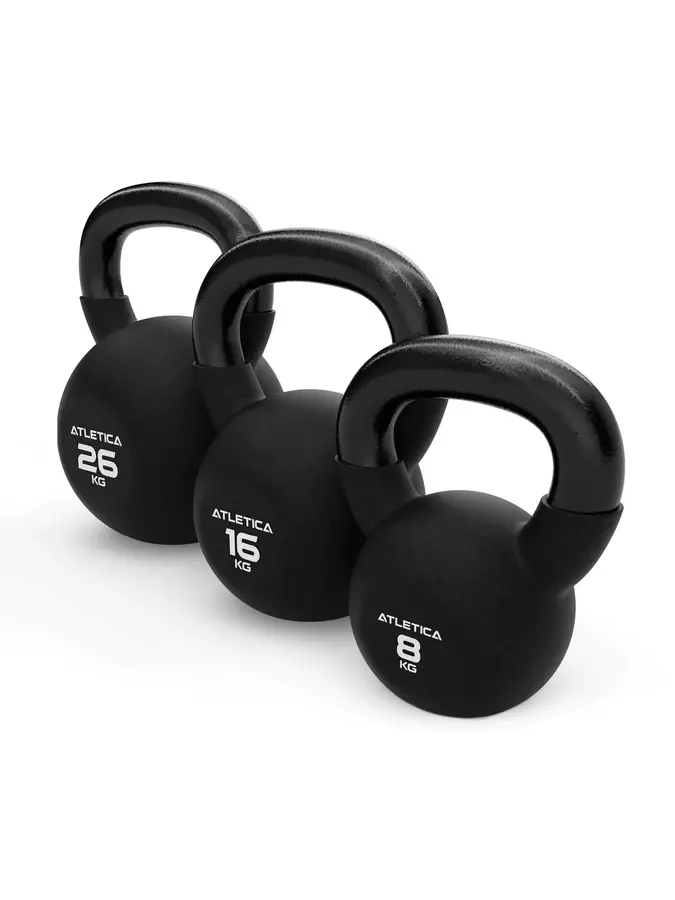 Flat Bench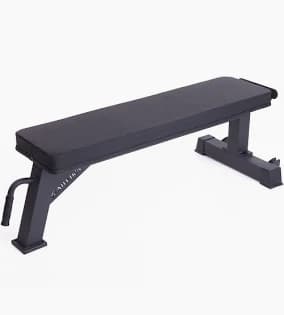
-
Lie flat on a bench with a light dumbbell or kettlebell in each hand, feet flat on the floor and lower back maintaining a natural arch.
-
Start with the weights held above your chest, arms extended with a slight bend in the elbows that you maintain throughout the movement.
-
Slowly lower the weights out to the sides in a wide arc, allowing gravity and the load to open your chest and stretch the pectoral muscles.
-
Lower until you feel a deep but comfortable stretch across the chest and front of the shoulders: do not force the weights past a pain-free range.
-
Keep your shoulder blades pinched together and pressed into the bench throughout the entire stretch to protect the shoulder joint.
-
Hold the bottom stretched position for the prescribed time, breathing deeply and allowing each exhale to help the muscles relax further into the stretch.
-
To return, squeeze the chest muscles to bring the weights back up in the same arc, or if performing reps, use a controlled 3-4 second lowering phase.
-
Start with very light weights to learn the movement: the leverage in this position makes even small weights create a significant stretch.
-
05 Loaded Chest Flies
-
Lie on your back on a bench with your feet flat on the floor or slightly elevated, maintaining a natural arch in your lower back.
-
Hold a light weight in each hand with your arms extended out to the sides, palms facing upward, and maintain a consistent slight bend in your elbows throughout.
-
Let the weights pull your arms down gently under the influence of gravity, focusing on opening your chest and feeling a deep stretch across the pectorals and front of the shoulders.
-
Keep your chest lifted and your shoulder blades firmly retracted and pressed into the bench: avoid any forward rounding of the shoulders.
-
This is a passive loaded stretch, so stay relaxed in the chest and shoulder muscles while the weights do the work of deepening the position.
-
Breathe deeply and steadily throughout the hold, using each exhale to consciously relax the chest muscles further and allow the arms to sink slightly lower.
-
Hold the position for the prescribed duration, keeping your arms steady and avoiding any bouncing or sudden movements.
-
Choose a weight that creates a meaningful stretch without causing pain or instability in the shoulder joint: increase the load gradually over sessions as your flexibility improves.
-
Common mistakes
Built into a program made for you
Every exercise here adapts to your goals, equipment and schedule inside the app.