Back Lever Progressions
Muscles worked
- Chest
- Front Shoulder
- Back Extensors
- Bicep
Equipment
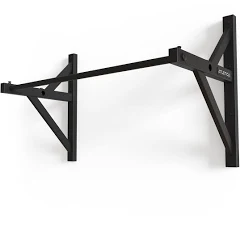
Form Cues
-
Depress and slightly protract the scapulae: push shoulders down and slightly forward
-
Maintain a hollow body with posterior pelvic tilt: do not let the lower back arch
-
Keep elbows completely straight and locked: think about pulling your hands toward your hips
-
Hips stay level with shoulders: do not let them drop below the line
-
Use a pronated grip (overhand) on the bar to reduce bicep strain; rings allow a neutral grip
-
Maintain total body tension: squeeze glutes, quads, and point your toes
-
Let the upper back round as you protract: a rounded upper back and squeezed-together feet keep the whole body one tight unit
Progressions
01 German Hang
-
Position rings at about head height with feet on the floor for support
-
Grip the rings and slowly rotate your arms backward behind your body
-
Lean forward gradually, transferring more weight onto the rings
-
Achieve full shoulder extension: arms straight behind you, chest open
-
Keep elbows locked and only go as far as your shoulder flexibility allows
-
This is primarily a shoulder flexibility and conditioning exercise, not a strength hold
-
Progress by gradually lowering ring height and reducing foot support
-
02 Tuck Back Lever
-
From an inverted hang on rings or bar, lower slowly through into a horizontal position
-
Tuck knees tightly to chest to create the shortest lever arm
-
Aim for your back to be parallel to the ground: hips level with shoulders
-
Keep arms straight and locked: mentally pull hands toward your hips
-
Depress and slightly protract the shoulders throughout the hold
-
Maintain hollow body: round upper back, tuck tailbone, squeeze glutes
-
This is the first true back lever: master the hold before extending the legs
-
03 Adv. Tuck Back Lever
-
From an inverted hang, lower into an advanced tuck with hips more extended than basic tuck
-
Knees remain bent but hips open more, increasing the lever arm
-
Keep your back parallel to the ground: hips level with shoulders
-
Arms straight and locked, shoulders depressed and slightly protracted
-
Maintain hollow body: posterior pelvic tilt, glutes engaged, upper back rounded
-
The longer lever demands more shoulder and core strength than basic tuck
-
Only progress from basic tuck when you can hold it comfortably for the target time
-
04 Super Adv. Tuck Back Lever
-
From an inverted hang, lower into super advanced tuck: hips nearly fully extended, knees still bent
-
This lever arm is very close to the full back lever
-
Keep body horizontal: hips level with shoulders
-
Arms straight and locked, strong shoulder depression with slight protraction
-
Maintain hollow body: squeeze glutes hard, posteriorly tilt pelvis, round upper back
-
Significant increase in difficulty from advanced tuck: shoulder strength is key
-
If the hips drop or lower back arches, return to the previous progression
-
05 One Leg Back Lever
-
From an inverted hang, lower into position with one leg fully extended and one leg tucked
-
The extended leg creates an asymmetric lever: alternate legs between sets
-
Keep body as horizontal as possible: hips level with shoulders
-
Arms straight and locked, shoulders depressed and slightly protracted
-
Maintain hollow body on the extended side: do not let that hip drop
-
This bridges the gap between super advanced tuck and straddle
-
If you rotate or twist, the core is not strong enough: regress to super adv. tuck
-
06 Pike Straddle Back Lever
-
From an inverted hang, lower into a pike straddle: legs spread wide with a slight pike at the hips
-
The wide straddle shortens the lever compared to legs together
-
The slight pike reduces the lever further: straighten over time as you get stronger
-
Keep body as horizontal as possible: hips level with shoulders
-
Arms straight and locked, shoulders depressed and slightly protracted
-
Maintain hollow body and core engagement despite the straddle position
-
Gradually reduce the pike angle to transition toward the full straddle
-
07 Straddle Back Lever
-
From an inverted hang, lower into straddle back lever: legs spread wide and fully straight
-
The straddle shortens the effective lever compared to full back lever
-
Keep body perfectly horizontal: hips level with shoulders
-
Arms straight and locked, shoulders depressed and slightly protracted
-
Maintain hollow body: posterior pelvic tilt, round upper back, glutes engaged
-
Widen the straddle to make it easier, narrow to progress toward full back lever
-
This is the last progression before the full back lever: ensure clean holds before advancing
-
08 Back Lever
-
From an inverted hang, lower into full back lever: legs together, body completely straight and horizontal
-
This is the longest lever arm: demands maximum shoulder and core strength
-
Keep arms straight and locked: mentally squeeze hands toward your hips
-
Strong shoulder depression and slight protraction throughout
-
Maintain perfect hollow body: posterior pelvic tilt, glutes and quads squeezed, toes pointed
-
Hips must remain exactly level with shoulders: do not let them drop
-
Use a pronated grip on bar or neutral grip on rings to protect the biceps
-
Common mistakes
Built into a program made for you
Every exercise here adapts to your goals, equipment and schedule inside the app.