90/90 Rear Leg Lifts
Muscles worked
- Hip Internal Rotators
- Hip Abductors
- Hip Adductors
Form Cues
-
Start on all fours with your hips and knees at 90-degree angles
-
Keep your core stable and your back straight throughout the movement
-
Lift one leg backward while maintaining the 90-degree bend in your knee
-
The sole of your foot should point toward the ceiling
-
Push your heel upward until your thigh is parallel to the floor
-
Consciously squeeze your glutes at the highest point
-
Lower the leg in a controlled manner without touching the floor
-
Keep your hips parallel to the ground: avoid tilting to the side
-
Exhale when lifting, inhale when lowering
Progressions
01 90/90 Leaning Rear Knee Lifts
-
Start in the 90/90 position with one leg bent at 90 degrees in front of you and the other leg bent at 90 degrees behind you, both shins resting on the ground.
-
Lean your torso strongly away from the rear leg, placing both hands on the ground to your side for maximum support and balance.
-
Lift only the rear knee off the ground while keeping the rear foot firmly planted: this isolates the hip internal rotators and abductors in a shortened range.
-
Focus on initiating the lift from the hip muscles rather than using momentum or shifting your body weight to cheat the movement.
-
Hold the top position for 1-2 seconds, squeezing the hip internal rotators before lowering the knee back down with full control.
-
Keep your front leg stable and grounded throughout each repetition: it serves as your anchor and should not shift or rotate.
-
Exhale as you lift the knee and inhale as you lower it, maintaining a steady breathing rhythm throughout the set.
-
Complete all prescribed reps on one side before switching to the other, and use the strong lean to make this entry-level variation accessible while building foundational hip strength.
-
02 90/90 Leaning Leg Lifts
-
Set up in the 90/90 position with the front leg at 90 degrees and the rear leg at 90 degrees, then lean your torso strongly away from the rear leg with both hands on the ground for support.
-
Lift the entire rear leg (both the knee and the foot) off the ground simultaneously, demanding significantly more strength from the hip internal rotators than the knee-only variation.
-
Drive the lift as high as possible while maintaining the 90-degree bend in the rear knee throughout the movement.
-
Pause for 1-2 seconds at the top of each rep, actively squeezing the hip abductors and internal rotators before lowering.
-
Lower the rear leg back to the ground with full control, resisting gravity on the way down rather than letting it drop.
-
Keep the front leg stable and firmly planted throughout: avoid letting it shift or rotate in response to the rear leg movement.
-
Exhale during the lifting phase and inhale as you lower the leg, keeping your breathing steady and rhythmic throughout the set.
-
Complete all prescribed reps on one side before switching to the other, noting any strength differences between your left and right hips.
-
03 90/90 Partial-Lean Rear Leg Lifts
-
Set up in the 90/90 position and lean only slightly away from the rear leg: use one hand lightly on the ground for minimal support, reducing the assistance compared to the full-lean variations.
-
Lift the entire rear leg (knee and foot) off the ground, engaging the hip internal rotators and abductors to drive the movement without relying heavily on the lean.
-
The reduced lean significantly increases the demand on the working hip, making this a meaningful progression from the strong-lean version.
-
Hold the top position for 1-2 seconds, focusing on a strong contraction in the muscles around the outer and rear hip before lowering.
-
Lower the leg back to the ground slowly and with full control: the eccentric phase is just as important for building strength as the lift itself.
-
Maintain a stable front leg and core throughout each repetition, preventing your torso from rotating or swaying to compensate for the reduced support.
-
Breathe steadily throughout the set, exhaling as you lift and inhaling as you lower, to maintain core stability and avoid holding your breath.
-
Complete all prescribed reps on one side before switching, and if you cannot maintain proper form with the partial lean, return to the strong-lean variation until you build sufficient strength.
-
04 90/90 Upright Rear Leg Lifts
-
Sit in the 90/90 position with your torso fully upright and your hands off the ground or hovering just above it, no leaning away to assist the lift.
-
Lift the entire rear leg (knee and foot) off the ground as high as possible, relying solely on the hip internal rotators and abductors to produce the movement.
-
The upright torso position removes all leverage assistance, making this the most demanding bodyweight variation and a true test of hip internal rotation strength.
-
Hold the top position for 1-2 seconds with a strong squeeze of the working hip muscles before lowering back to the ground.
-
Lower the leg slowly and under full control, resisting the pull of gravity throughout the entire descent.
-
Keep your core firmly braced and your spine tall throughout each rep: any forward lean or lateral tilt indicates the hips are not yet strong enough for this progression.
-
Breathe steadily, exhaling on the lift and inhaling on the descent, and avoid holding your breath even when the effort is intense.
-
Complete all prescribed repetitions on one side before switching to the other, and track your progress by noting improvements in lift height and control over time.
-
05 90/90 Loaded Rear Leg Lifts
Dumbbells or Kettlebells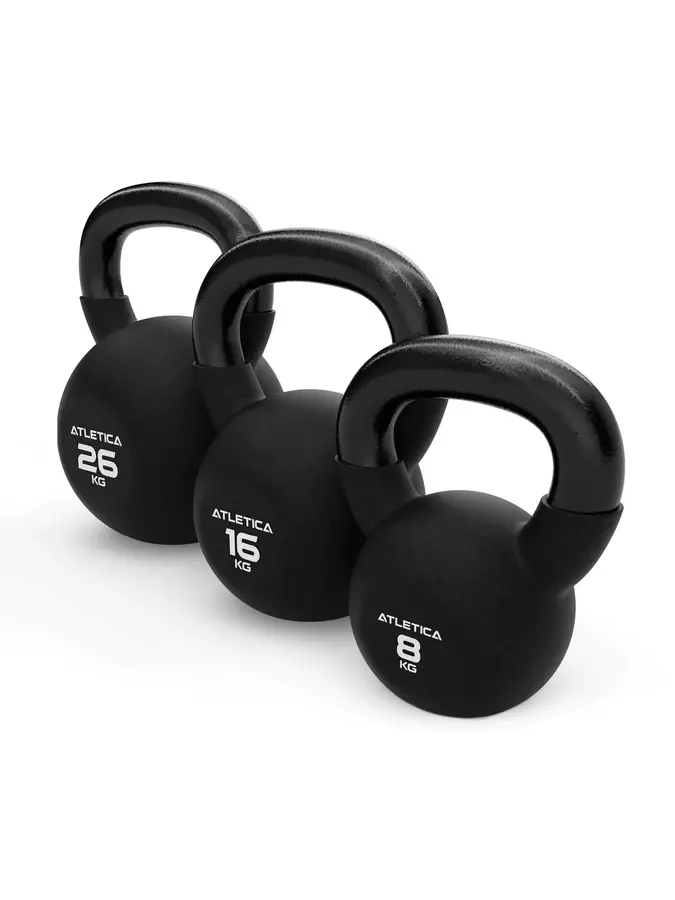
-
Sit in the 90/90 position with your torso fully upright and place a small weight such as a plate, dumbbell, or ankle weight on the lower portion of the rear leg to add external resistance.
-
Start with a light load that allows you to perform the full rear leg lift with perfect form: the added weight dramatically increases the demand on the hip internal rotators and abductors.
-
Lift the entire rear leg (knee and foot) off the ground, driving the movement from the hip while keeping the weight balanced and stable on the leg.
-
Hold the top position for 1-2 seconds, squeezing the hip muscles firmly before lowering the leg back to the ground with full control.
-
Lower slowly, resisting the pull of the added weight throughout the descent: the loaded eccentric phase is especially valuable for building strength in this range.
-
Keep your torso upright and your core braced throughout each rep, avoiding any lean or rotation to compensate for the extra load.
-
Exhale as you lift and inhale as you lower, maintaining steady breathing to support core stability under the increased demand.
-
Complete all prescribed reps on one side before switching, and only increase the weight once you can finish the full set with controlled, full-range repetitions on both sides.
-
Common mistakes
Built into a program made for you
Every exercise here adapts to your goals, equipment and schedule inside the app.